


Dental care can be expensive, and many people struggle to afford proper treatments. If you find yourself in a situation where dental work is needed, but you don’t have the money, you may feel helpless. However, there are various ways to address dental issues even on a tight budget. This guide will provide you with practical, cost-effective strategies for maintaining oral health without breaking the bank.
Understanding the Importance of Dental Health
Your teeth and gums are essential for overall health. Poor oral hygiene can lead to a host of issues, from tooth decay to gum disease. Unfortunately, without proper treatment, these issues can worsen and lead to more severe and expensive dental problems.
Low-Cost and Free Dental Care Options
1. Seek Dental Care at a Public Health Clinic
Public health clinics are a valuable resource for those without dental insurance or the financial means to visit a private dentist. Many clinics offer dental care at reduced rates or even for free. To find one near you, check with your local health department or search online for community dental clinics.
2. Look for Dental Schools in Your Area
Dental schools often offer low-cost dental services provided by students under the supervision of experienced professors. These services can include cleanings, fillings, and even more complex procedures. Although the process may take longer, it’s a highly affordable option for necessary treatments.
3. Utilize Discounted Dental Plans
Discount dental plans are not insurance, but they offer a reduced rate for dental services. These plans typically charge a yearly fee and provide discounted services at participating dentists. They can save you significant amounts on regular checkups, fillings, and other dental procedures.
DIY Home Remedies to Maintain Oral Health
1. Brushing and Flossing Regularly
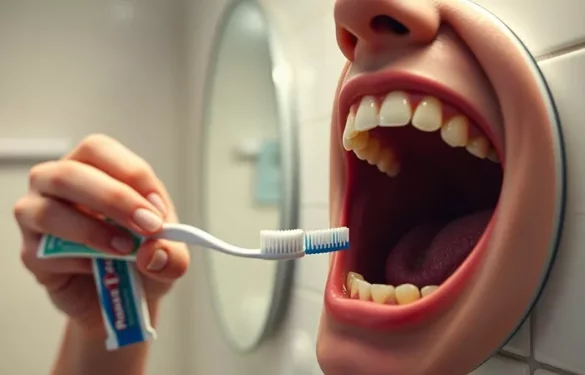
The most effective and cost-free method of maintaining oral health is practicing proper oral hygiene. Brushing your teeth at least twice a day and flossing daily can prevent a variety of dental problems, including cavities and gum disease. Ensure you’re using a fluoride toothpaste, which strengthens enamel and protects against decay.
2. Rinse with Saltwater
If you’re experiencing gum pain or swelling, rinsing with saltwater can provide temporary relief. Saltwater helps reduce inflammation and can promote healing. Simply dissolve half a teaspoon of salt in warm water and swish it around your mouth for about 30 seconds.
3. Use Baking Soda to Whiten Teeth
Baking soda is a popular and inexpensive option for teeth whitening. While it won’t replace professional whitening treatments, it can help remove surface stains. Gently brush your teeth with a paste made of baking soda and water, but don’t use it too often, as it can be abrasive over time.
Financial Assistance for Major Dental Procedures
1. Look into Payment Plans
Many dentists offer payment plans that allow you to pay for your treatment in installments. While this won’t reduce the total cost, it can make it more manageable by spreading the payment over several months or years. Contact your dentist to inquire about financing options.
2. Investigate Charitable Organizations
There are several charitable organizations that offer assistance for dental procedures. Some may offer free or discounted care to low-income individuals, and others may provide funding for specific treatments. Organizations like Dentistry from the Heart and the National Foundation of Dentistry for the Handicapped can connect you with local resources.
3. Crowdfunding for Dental Expenses
If you’re facing a major dental procedure, such as a root canal or dental implants, and you don’t have the money, you might consider crowdfunding. Websites like GoFundMe can help you raise funds from friends, family, and even strangers. While it’s not a guaranteed solution, many people have successfully raised money for healthcare-related expenses.
Affordable Alternatives for Common Dental Issues
1. Tooth Fillings
If you’re dealing with a cavity, tooth fillings are often the most common treatment. While private dental care for fillings can be expensive, you can look for free or low-cost clinics that offer this service. If you can’t afford a professional filling, some over-the-counter options can temporarily seal the cavity until you can get proper care.
2. Tooth Extraction
If a tooth is beyond saving, extraction might be the only solution. While the cost of tooth extraction can vary, many low-cost clinics and dental schools offer this service at a fraction of the cost. In some cases, if you qualify, you may even be able to get extractions done for free or at a highly discounted rate.
3. Dental Implants
Dental implants can be an expensive solution for replacing lost teeth, but there are alternatives. Some dentists offer payment plans, and dental tourism (traveling abroad for affordable dental care) is becoming increasingly popular for people looking for cheaper implants. It’s important to thoroughly research clinics if considering dental tourism to ensure high-quality care.
Preventing Future Dental Problems
1. Regular Checkups
While regular dental checkups can be costly, they are essential in preventing more expensive dental problems down the line. Many clinics offer reduced rates or free checkups on certain days, so be sure to take advantage of these opportunities whenever possible.
2. Eating a Balanced Diet
Good nutrition plays a significant role in maintaining healthy teeth and gums. Avoid excessive sugary foods and drinks, which contribute to tooth decay. Instead, focus on a diet rich in fruits, vegetables, and dairy products, which help promote strong teeth and healthy gums.
Conclusion
While dental care can be expensive, there are numerous ways to maintain your oral health even if you’re on a tight budget.
From seeking care at public clinics and dental schools to practicing good hygiene at home, you can address most dental issues without spending a fortune. Don’t let financial constraints prevent you from maintaining a healthy smile. Take proactive steps to care for your teeth and gums, and seek out affordable treatment options when necessary.