


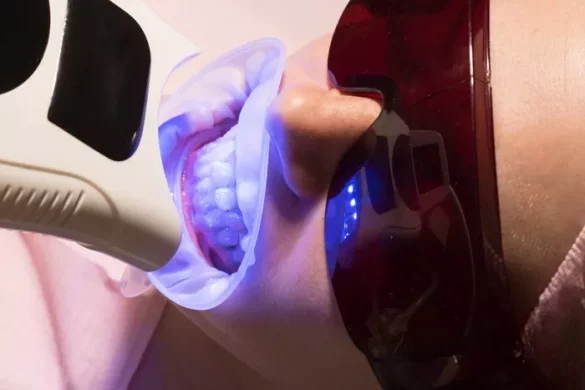
Cold light teeth whitening is a modern dental procedure that has gained popularity in recent years. This method uses a special light combined with a whitening gel to remove stains and brighten teeth. Unlike traditional whitening methods, cold light technology aims to reduce heat exposure, which can lower the risk of tooth sensitivity. Many patients are curious about how long the results last and how to maintain their smile. In this article, we will explore all factors affecting the duration of cold light whitening and provide tips for lasting results.
How Cold Light Whitening Works
The process of cold light teeth whitening involves applying a hydrogen peroxide or carbamide peroxide-based gel to the teeth. A cold LED light is then directed at the teeth to accelerate the whitening process. The light activates the gel, breaking down stains on the enamel surface. Unlike laser whitening, cold light does not generate significant heat, making it safer for sensitive teeth. The procedure usually takes 30 to 60 minutes in a dental office and can lighten teeth by several shades in a single session.
Benefits of Cold Light Whitening
Cold light whitening offers multiple advantages. It is fast, relatively painless, and effective for most types of extrinsic stains. Patients with sensitive teeth often tolerate this method better than other whitening procedures. Additionally, it provides immediate results, making it a popular choice before events or photo shoots. Another benefit is that it can be combined with routine dental care to reduce the risk of gum disease.
Difference Between Cold Light Whitening and Other Methods
There are several methods for whitening teeth, including at-home kits, bleaching strips, and laser whitening. Cold light whitening differs mainly in its reduced heat generation, which minimizes tooth sensitivity. While at-home kits are convenient, they usually produce slower and less predictable results. Laser whitening can achieve similar results to cold light, but it may increase discomfort due to heat exposure. Cold light whitening balances effectiveness, comfort, and safety, making it a preferred choice for many patients.
Factors Affecting the Duration of Cold Light Whitening
The longevity of cold light whitening results depends on several factors. Understanding these factors can help patients maintain their bright smile for a longer period.
1. Diet and Eating Habits
Foods and beverages rich in color pigments can stain teeth after whitening. Common culprits include coffee, tea, red wine, cola, and curry. Acidic foods can also erode enamel, making teeth more susceptible to staining. To extend the whitening effect, it is advisable to minimize these foods and rinse the mouth with water after consumption.
2. Oral Hygiene Practices
Maintaining good oral hygiene is crucial for prolonging whitening results. Brushing at least twice a day and flossing daily helps remove plaque and prevent discoloration. Using a whitening toothpaste can support the results, although it cannot replace professional whitening treatments. Regular dental check-ups are also important to prevent gum disease, which can affect tooth appearance.
3. Smoking and Tobacco Use
Tobacco products are highly staining. Smoking or chewing tobacco significantly reduces the duration of whitening results. Nicotine and tar easily adhere to enamel, reversing the effects of cold light whitening within weeks or months. Avoiding tobacco is one of the most effective ways to maintain a bright smile.
4. Natural Tooth Color and Age
Natural tooth color varies from person to person. Teeth with thicker enamel tend to show longer-lasting results. Age also plays a role; as we age, dentin naturally darkens, which may reduce the longevity of whitening. Patients with naturally darker teeth may require touch-up treatments more frequently.
5. Pre-existing Dental Conditions
Conditions like enamel erosion, cavities, and gum disease can influence whitening outcomes. Sensitive teeth may limit the concentration of whitening gel that can be safely used, potentially reducing effectiveness. Treating dental issues before whitening is essential for both safety and long-term results. Cold light whitening should not be applied over untreated cavities or severe gum disease without professional guidance.
Expected Duration of Cold Light Whitening
On average, the results of cold light teeth whitening can last from six months to two years. However, this varies greatly depending on the factors mentioned above. Many patients notice a gradual return of stains over time. Minor touch-ups, either at home or in the clinic, are often recommended to maintain optimal brightness.
Immediate Results and First Month Changes
Immediately after the procedure, teeth appear several shades lighter. In the first month, results are usually stable, but some minor discoloration may occur depending on diet and oral hygiene. Cold light whitening provides an instant visual improvement, making it noticeable from day one.
Long-term Maintenance and Touch-ups
To maintain the whitening effect for over a year, periodic touch-ups are recommended. Dentists may suggest applying whitening gel at home or returning for professional sessions every 6 to 12 months. Consistent oral hygiene and lifestyle adjustments are necessary to prolong the results. Touch-ups are generally less intensive than the initial procedure and help prevent significant yellowing or staining.
Tips to Prolong Cold Light Whitening Results
1. Avoid Staining Foods and Beverages
Minimize the intake of coffee, tea, red wine, and dark-colored sauces. If consumed, rinse the mouth immediately or brush teeth within 30 minutes. Using a straw for drinks can reduce direct contact with enamel, helping prevent stains.
2. Maintain Excellent Oral Hygiene
Brushing twice a day with fluoride toothpaste and flossing daily prevents plaque accumulation. Plaque and tartar can cause yellowing, which may negate whitening results. A soft-bristled toothbrush is recommended to avoid enamel wear. Patients with sensitive teeth should use toothpaste formulated for Sensitive Teeth.
3. Regular Dental Check-ups
Professional cleanings remove surface stains and plaque that home care cannot eliminate. Regular visits also help detect and manage gum disease early. Healthy gums provide a stable foundation for teeth and help maintain a brighter appearance.
4. Use Whitening Products Wisely
Whitening toothpaste, mouth rinses, and at-home gels can help extend results. However, overuse may cause enamel damage or increased sensitivity. Cold light whitening is most effective when combined with professional advice on home care products.
5. Avoid Tobacco
Smoking and chewing tobacco are among the fastest ways to reverse whitening results. Quitting tobacco not only maintains a bright smile but also improves overall oral and systemic health. It also reduces the risk of gum disease, which can affect both color and structure of teeth.
Potential Side Effects and Safety Considerations
Cold light whitening is generally safe, but some patients may experience temporary sensitivity or gum irritation. The light itself is not harmful, but improper application of the gel can cause soft tissue irritation. Patients with existing dental issues should consult a dentist before treatment. Using protective barriers for gums and following post-whitening care instructions are essential to minimize risks.
Tooth Sensitivity
Some individuals may experience sensitivity to hot or cold foods and beverages after whitening. This is usually temporary and can be managed with Sensitive Teeth toothpaste. Avoiding extremely hot or acidic foods immediately after treatment is also recommended.
Gum Irritation
Gum irritation can occur if the whitening gel comes in contact with soft tissues. Proper application by a professional ensures minimal contact with gums. Over-the-counter kits may increase the risk of irritation if used incorrectly.
Alternative Whitening Options
While cold light whitening is effective, some patients may consider other options based on convenience, cost, or sensitivity issues.
1. At-Home Whitening Kits
These include gels, strips, and trays. They are more affordable but usually take longer to produce noticeable results. At-home kits may also cause uneven whitening or mild sensitivity if overused.
2. Laser Whitening
Laser whitening is faster and can achieve dramatic results. However, the heat generated may cause more sensitivity. It is suitable for patients without significant tooth sensitivity or gum issues.
3. Whitening Toothpaste
Whitening toothpaste removes surface stains but cannot change the intrinsic color of teeth. It is useful for maintenance after professional whitening treatments. Toothpaste alone cannot replace procedures like cold light whitening.
Conclusion
Cold light teeth whitening offers an effective, safe, and comfortable method to achieve a brighter smile. The duration of the whitening effect can vary from six months to two years, depending on diet, oral hygiene, tobacco use, and natural tooth color. Maintaining good dental habits, avoiding staining foods, and scheduling regular touch-ups are essential for long-lasting results. Patients with sensitive teeth or gum disease can benefit from professional guidance to maximize safety and efficacy. Overall, cold light whitening provides a predictable and convenient way to enhance dental aesthetics while minimizing discomfort.