


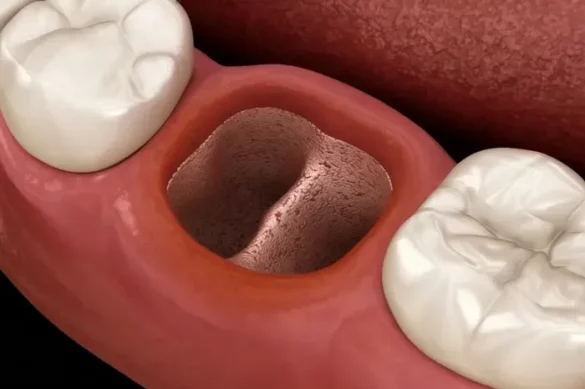
After wisdom teeth removal, many people worry about the hole or socket that remains where the tooth used to be. It is normal to see a visible opening in your gum after extraction, and understanding the healing timeline can help ease concerns. This article explains how long wisdom teeth sockets take to close, why the healing process varies, and what you can do to support healthy recovery.
What Happens After Wisdom Tooth Removal?
When a wisdom tooth is taken out, your dentist removes the entire crown and roots, which leaves behind a hole in your gum and jaw bone. This hole is called a socket. In cases where the wisdom tooth was impacted or trapped under the gum, the socket may be deeper and larger than with simple extractions.
Immediately after extraction, your body starts a natural healing process. A blood clot forms inside the socket, acting as a protective cover. This clot is vital because it shields the bone and nerves below, paving the way for new tissue growth.
The Phases of Healing: How the Socket Closes
Healing is a multi-step process that involves both the gum tissue above and the bone beneath.
Gum Tissue Healing
Within the first few hours or days, the blood clot serves as a natural bandage that protects the wound from infection. In about one week, you may notice that the soft gum tissue has started covering the socket. By the end of two weeks, most people see the visible hole starting to shrink, and the area feels less sensitive.
Bone Healing
While the gum closes fairly quickly, the underlying bone takes longer to heal. Even after the gums seal over, it can take weeks to months for the bone underneath to fill in the space left by the tooth roots. A small dip or depression in the area is normal and may persist as bone remodeling occurs.
How Long Do Wisdom Teeth Sockets Take to Close?
The time it takes for wisdom teeth sockets to fully close can vary between individuals. Most sockets will show significant healing in the first one to two weeks. Complete closure of the gum tissue usually occurs by six to eight weeks after extraction. The bone beneath may require several additional months to fully regenerate and fill the space.
Typical Healing Timeline
- First 24 Hours: Blood clot forms, starting healing.
- 1 Week: Gum tissue starts to cover and protect the socket. Careful eating and gentle cleaning recommended.
- Weeks 2–3: The gum hole shrinks noticeably. Soft tissue is actively growing in.
- Weeks 4–6: Gum surface continues to organize and strengthen. The area feels more stable and return to normal activities becomes possible.
- Weeks 6–8: The extraction site is usually closed with healthy gum tissue. The bone continues to fill in under the surface.
- Months 2–4: Minor dips or depressions persist but fade as bone density improves.
Factors That Influence Healing Speed
The rate at which your sockets close depends on several factors:
- Age: Younger people (especially teens and early twenties) heal faster because their cells regenerate more quickly.
- Extraction Complexity: Simpler extractions heal more quickly. Impacted or surgical removals may take longer due to deeper wounds.
- Overall Health: Good general health and strong immunity help speed up healing. Conditions like diabetes or anemia can delay tissue repair.
- Oral Hygiene: Keeping your mouth clean helps prevent infection and dry socket, supporting a smooth recovery.
- Lifestyle Habits: Smoking, vaping, or poor nutrition can slow healing and increase the risk of complications.
Possible Reasons for Slow Healing
Most wisdom tooth sockets close without any problem. However, there are situations where healing is slower than usual:
Dry Socket
If the blood clot is lost too soon, bone and nerves are exposed. This painful condition, known as dry socket, leads to severe discomfort and delays healing. Dry socket requires prompt dental attention.
Infection
Bacteria can enter the socket and slow healing. Signs include swelling, foul taste, fever, or a worsening odor. Infection requires professional care.
Large or Deep Extraction Sites
Wisdom teeth with large roots or those that were deeply impacted leave bigger sockets. These take longer to completely fill in and close.
Underlying Health Problems
Chronic illnesses or certain medications can interfere with the body’s ability to heal wounds.
What You Can Do to Support Healing
Optimizing your recovery comes down to gentle care and smart choices:
- Avoid disturbing the blood clot: Don’t smoke, use straws, rinse vigorously, or eat hard foods during early recovery.
- Rinse with salt water: Gentle salt water rinses keep the area clean and support tissue regeneration. Start 24 hours after surgery.
- Eat soft foods: Foods like yogurt, mashed potatoes, smoothies, and soups reduce irritation and the risk of hurting the healing area.
- Stay hydrated: Drink water often to support healing and flush away debris.
- Follow dental instructions: Your dentist’s aftercare advice is customized for the quickest, safest healing.
When to Seek Professional Help
Although most wisdom tooth sockets heal without issues, it’s important to know when to call your dentist. Get prompt evaluation if you notice:
- Severe or increasing pain several days after extraction
- Swelling that gets worse instead of better
- Persistent bad taste, unpleasant odor, or pus
- Fever or other infection signs
- Food constantly getting trapped inside the socket
- The hole failing to shrink after eight weeks
Your dentist may suggest an in-person exam, cleaning of the area, or medication to support healing. In rare cases, additional procedures like a bone graft may be needed for closure.
The Science of Oral Healing
Your mouth heals faster than many other body parts because gum tissue and bone receive strong blood flow and are exposed to antibacterial components in saliva. After extraction, the healing process begins with formation of a blood clot. This is replaced by granulation tissue, which eventually matures into healthy gum. Beneath the surface, bone remodeling occurs gradually over months, restoring density and strength to the area.
Common Concerns After Extraction
Many people worry about food or debris getting stuck in the socket. Early on, this is normal and not a reason for alarm. Gentle rinsing usually clears debris. Do not poke or prod the area with fingers or tools, as this can disrupt healing.
Color changes around the healing site, like white or yellow patches, are often normal and reflect healthy regeneration. If you see pus or experience foul smells, discuss with your dentist to rule out infection.
Conclusion
Wisdom teeth sockets take several weeks to close completely on the surface, with most people seeing healed gum tissue within six to eight weeks. The bone underneath may need a few months to fully recover. Healing times depend on age, procedure complexity, general health, and oral care habits. To ensure a smooth recovery, protect the blood clot, maintain clean habits, eat soft foods, and follow your dentist’s instructions. If healing seems slow or complications arise, timely dental advice is the best way to achieve comfort and full restoration.
Frequently Asked Questions
How long until my wisdom tooth holes close?
Most people see gum closure in six to eight weeks, with ongoing bone healing for several months.
What if my socket hasn’t closed after two months?
If the hole is still large or causing problems after two months, see your dentist to check for underlying issues.
Is it normal to have a hole for several weeks?
Yes, a visible hole can persist for several weeks. Gradual shrinking is a sign of healthy healing.
Can I speed up the healing process?
Support healing by following dental aftercare, eating soft foods, staying hydrated, and avoiding smoking or straws.