


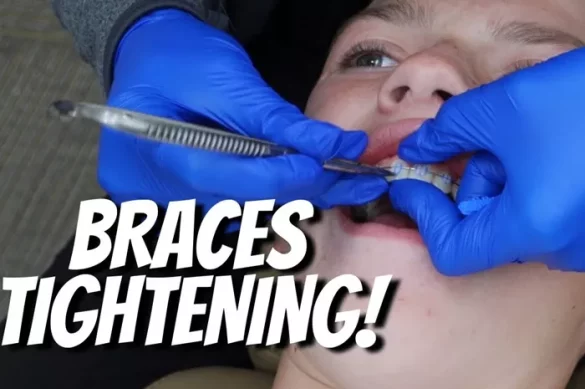
Orthodontic treatment with braces is a common way to align teeth and correct bite issues. One of the most frequent concerns patients face is discomfort or pain after their braces are tightened. Understanding the duration, intensity, and management of this pain can help patients feel more confident and prepared during treatment. This article provides a detailed, factual overview of pain after braces adjustments, the underlying causes, expected timelines, and practical strategies to reduce discomfort.
Why Pain Occurs After Braces Are Tightened
Pain after tightening braces is a normal physiological response. Braces work by applying controlled force to teeth, gradually moving them into the desired position. This pressure causes tension in the periodontal ligaments and surrounding bone.
The resulting inflammation triggers pain signals that the brain interprets as discomfort. Pain intensity can vary depending on several factors, including the type of adjustment, the individual’s pain threshold, and the specific teeth being moved.
Pressure on Teeth and Gums
When an orthodontist tightens braces, the wires exert pressure on teeth. This pressure compresses the ligaments around the tooth roots, causing mild inflammation. Inflammation is a natural response that allows bone remodeling, which is essential for tooth movement. However, it also stimulates nerve endings, leading to soreness in teeth and gums.
Types of Braces and Their Effect on Pain
The type of braces can influence pain duration. Traditional metal braces often cause more noticeable discomfort initially due to their rigid wires. Ceramic braces may feel slightly less uncomfortable but still cause similar inflammation. Self-ligating braces reduce friction, which can slightly decrease soreness. Invisalign or clear aligners may cause pressure-based discomfort rather than sharp pain.
Typical Duration of Pain After Braces Adjustment
While pain varies from person to person, clinical observations show general trends. Most patients experience the highest level of discomfort in the first 24 to 48 hours after tightening. Pain usually decreases gradually over the next few days.
First 24 Hours
The first day after braces are adjusted is typically the most uncomfortable. Teeth may feel tender or loose, and gums can be sensitive. Eating may be difficult, and some patients experience mild jaw soreness. The pain is generally described as dull, aching, or pressure-related.
Days 2 to 3
During the second and third days, pain usually peaks and then starts to diminish. Anti-inflammatory medications, such as ibuprofen, can help manage discomfort. Soft foods and avoiding very hot or cold beverages can reduce irritation.
Days 4 to 7
By the fourth day, most patients notice a significant reduction in pain. Some teeth may still feel tender when chewing hard foods, but the general soreness decreases. By the end of the first week, discomfort typically subsides almost completely, though minor sensitivity may persist.
After One Week
For the majority of patients, pain from a braces adjustment is minimal or absent after seven days. Regular oral hygiene and continued adherence to orthodontist recommendations help prevent secondary discomfort. However, certain teeth may feel sensitive for longer, especially if significant movement occurred.
Factors Influencing Pain Duration
The length and intensity of discomfort vary depending on individual and treatment-related factors. Understanding these can help patients anticipate and manage their experience.
Age
Younger patients may experience less intense pain due to more flexible bone structures. Adults often report longer-lasting discomfort because teeth and bone density are higher, and tissue remodeling is slower.
Severity of Tooth Movement
Teeth that require substantial adjustment may cause prolonged soreness. Large rotations or movements of impacted teeth generally lead to more noticeable discomfort compared to minor adjustments.
Pain Sensitivity
Individual pain thresholds vary widely. Some patients report mild discomfort, while others experience significant pain after the same adjustment. Psychological factors, stress, and anxiety can also amplify perceived pain.
Oral Health and Gum Condition
Healthy gums and teeth usually respond better to orthodontic adjustments. Patients with inflamed gums, cavities, or periodontal issues may experience longer or more intense discomfort after tightening.
Ways to Manage Pain After Braces Adjustment
Several strategies can help reduce discomfort during the post-adjustment period. These include medications, dietary changes, and supportive oral care.
Over-the-Counter Pain Relief
Non-prescription anti-inflammatory drugs, such as ibuprofen or acetaminophen, are commonly recommended. These medications reduce inflammation and provide temporary pain relief. It is important to follow dosage instructions carefully and consult an orthodontist if unsure.
Soft Diet
Eating soft foods for the first few days after adjustment minimizes pressure on teeth. Foods like yogurt, mashed potatoes, soups, and smoothies are ideal. Avoid sticky, hard, or chewy foods that can exacerbate discomfort.
Cold Compress
Applying a cold compress externally on the cheeks can reduce swelling and numb pain. Cold therapy is effective for managing inflammation in the early 24 to 48 hours after tightening.
Orthodontic Wax
Brackets and wires can irritate cheeks and lips. Using orthodontic wax over sharp edges prevents sores and reduces secondary discomfort. Wax can be reapplied as needed throughout the adjustment period.
Saltwater Rinses
Warm saltwater rinses help soothe irritated gums and prevent inflammation. Rinsing two to three times daily can improve comfort and oral hygiene.
Oral Hygiene
Maintaining good oral hygiene prevents additional discomfort from plaque or food debris. Gentle brushing and flossing around brackets minimize irritation and promote faster healing of soft tissues.
When to Consult Your Orthodontist
While pain is normal after braces adjustments, certain symptoms indicate the need for professional evaluation.
Severe or Prolonged Pain
If pain persists beyond one week or intensifies instead of improving, it may indicate an underlying issue. In such cases, contacting the orthodontist is recommended.
Swelling or Infection
Excessive swelling, redness, or signs of infection such as pus or fever should be addressed immediately. These are not typical responses to tightening and may require intervention.
Broken Brackets or Wires
Damaged orthodontic appliances can cause sharp pain or injury to the mouth. Prompt repair or replacement by an orthodontist prevents further discomfort and maintains treatment progress.
Long-Term Adaptation
Repeated adjustments gradually train teeth and surrounding tissues to tolerate pressure. Over time, pain intensity decreases as the mouth adapts to ongoing orthodontic forces. Patients often report less discomfort with each subsequent tightening session compared to the first few appointments.
Psychological Adaptation
Knowing what to expect and using effective pain management strategies can reduce anxiety. A calm mindset often correlates with lower perceived pain levels.
Consistent Care
Following the orthodontist’s instructions regarding oral care, diet, and appliance maintenance ensures smoother adjustment periods and reduces unnecessary pain.
Conclusion
Pain after braces tightening is a natural part of orthodontic treatment. It typically peaks within the first 24 to 48 hours, gradually decreases over the next several days, and usually resolves within a week. Factors such as age, tooth movement severity, and oral health influence the duration and intensity of discomfort. Patients can manage pain effectively using over-the-counter medications, soft diets, cold compresses, orthodontic wax, and proper oral hygiene. Monitoring for unusual or prolonged symptoms ensures timely professional care. Understanding the typical timeline and management strategies allows patients to navigate braces adjustments with confidence and comfort.