


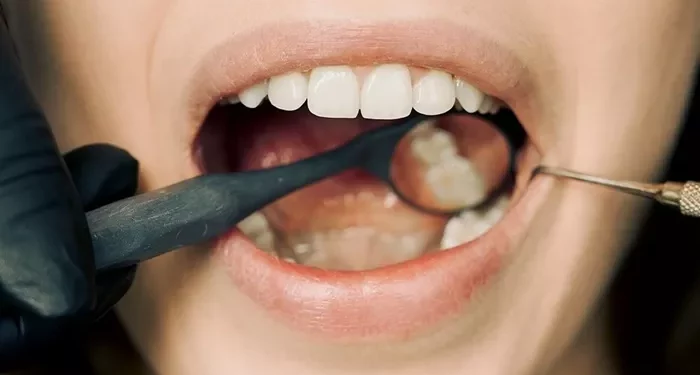
Teeth scaling is a common dental procedure that removes plaque, tartar, and stains from your teeth. It is a preventive measure that helps maintain oral health and reduces the risk of gum disease. Many people wonder how long the effects of teeth scaling last. Understanding this can help you maintain healthy teeth and gums between dental visits.
What Is Teeth Scaling?

Teeth scaling is a dental cleaning procedure performed by a dentist or dental hygienist. It involves scraping off plaque and tartar that accumulate on the teeth, especially around the gum line. The procedure is often followed by polishing the teeth to remove surface stains and smooth the enamel.
The Purpose of Teeth Scaling
The main goals of teeth scaling include:
- Removing plaque and tartar buildup
- Preventing gum disease and cavities
- Reducing bad breath caused by bacteria
- Improving the overall appearance of teeth
How Teeth Scaling Is Performed
During a scaling session, your dentist uses special instruments, including ultrasonic devices and hand scalers. These tools carefully remove hard deposits from teeth surfaces and beneath the gum line. The process is painless, though some patients may experience mild discomfort or sensitivity.
Factors That Influence How Long Teeth Scaling Lasts

The duration of teeth scaling effects varies for each person. Several factors affect how long your teeth remain clean and plaque-free after a professional cleaning.
Oral Hygiene Habits
Good oral hygiene is crucial for prolonging the effects of scaling. Brushing twice a day, flossing daily, and using an antibacterial mouthwash can help prevent plaque and tartar from building up quickly.
Diet and Lifestyle
Foods and beverages with high sugar content, acidic drinks, and smoking can accelerate plaque formation. People who consume these regularly may notice that scaling effects last for a shorter period.
Natural Saliva Flow
Saliva helps wash away food particles and bacteria. People with dry mouth or reduced saliva flow may experience faster plaque accumulation, shortening the benefits of scaling.
Frequency of Dental Visits
Regular dental check-ups help maintain oral health and prolong scaling results. Dentists often recommend scaling every six months, though some patients with severe gum disease may require more frequent visits.
How Long Does Teeth Scaling Last?
On average, the effects of teeth scaling last about 6 months. This is why most dental professionals recommend scheduling cleanings twice a year. However, some patients may notice plaque returning sooner, while others may maintain clean teeth for longer periods.
Short-Term Effects
Immediately after scaling, your teeth will feel smoother and look brighter. Your gums may also feel healthier, and any mild inflammation may reduce. This effect is most noticeable in the first few weeks after the procedure.
Long-Term Effects
Over time, plaque and tartar gradually return. Without proper oral care, tartar may begin forming again within 3 to 4 months. Consistent dental hygiene can extend the benefits of scaling and maintain gum health.
Benefits of Teeth Scaling
Teeth scaling offers several advantages beyond clean teeth. These benefits include:
Prevention of Gum Disease
Scaling removes tartar that can cause gingivitis and periodontitis. Early removal of plaque reduces inflammation and prevents gum tissue damage.
Improved Oral Health
Clean teeth reduce the risk of cavities, tooth decay, and bad breath. Scaling also helps identify dental issues early, allowing for timely treatment.
Enhanced Appearance
Polishing during scaling removes surface stains caused by coffee, tea, or smoking, giving your teeth a brighter appearance.
Aftercare to Extend the Effects of Scaling

Proper aftercare is essential to maintain the benefits of teeth scaling. Here are some steps to follow:
Brush and Floss Regularly
Use a soft-bristled toothbrush and fluoride toothpaste to brush twice daily. Flossing once a day removes plaque between teeth and below the gum line.
Use Mouthwash
An antibacterial mouthwash can reduce bacteria in the mouth and prevent plaque formation. Rinse daily to prolong the effects of scaling.
Maintain a Healthy Diet
Limit sugary and acidic foods and drinks. Eat plenty of fresh fruits, vegetables, and water to support oral health.
Avoid Tobacco Products
Smoking or using other tobacco products increases the risk of tartar buildup and gum disease. Avoiding tobacco can help maintain scaling results longer.
Scaling vs. Root Planing
Teeth scaling is sometimes combined with root planing for patients with gum disease. While scaling removes plaque and tartar above the gum line, root planing smooths the roots below the gum line. This combination can provide longer-lasting results for patients with periodontal issues.
How Often Should You Get Teeth Scaling?
The recommended frequency of scaling depends on individual oral health:
- Healthy adults: Every 6 months
- Patients with gum disease: Every 3 to 4 months
- Individuals prone to plaque buildup: Every 4 to 6 months
Signs You Need Another Scaling Session
Even if it hasn’t been six months, you may need scaling sooner if you notice:
- Visible tartar buildup on teeth
- Bleeding or swollen gums
- Persistent bad breath
- Tooth sensitivity or pain
Myths About Teeth Scaling
There are some common misconceptions about teeth scaling:
Scaling Weakens Teeth
This is false. Scaling removes harmful deposits and strengthens teeth by keeping them clean. It does not damage the enamel when performed properly.
Scaling Is Painful
Most patients experience little to no discomfort. Mild sensitivity may occur but usually resolves within a day or two.
Scaling Permanently Prevents Gum Disease
While scaling is preventive, it does not permanently eliminate the risk. Maintaining good oral hygiene is still essential.
Conclusion
Teeth scaling is a safe and effective procedure that improves oral health and the appearance of teeth. The effects typically last around 6 months, but individual habits and health conditions can influence this duration. Proper dental hygiene, regular check-ups, and lifestyle choices are key to maintaining the benefits of scaling. By understanding how long teeth scaling lasts, you can better plan your dental care routine and enjoy a healthy, bright smile.
FAQs
1. Can teeth scaling damage enamel?
No. When performed by a trained professional, scaling does not damage tooth enamel. It removes harmful plaque and tartar that can weaken teeth over time.
2. How soon can I eat after teeth scaling?
You can usually eat immediately after scaling. Avoid very hot or cold foods if you experience temporary sensitivity.
3. Why do my teeth feel rough after scaling?
Teeth may feel slightly rough for a few hours due to the removal of tartar and plaque. Polishing during scaling smooths the surface, and the rough feeling will fade quickly.
4. Is teeth scaling necessary if I brush daily?
Yes. Brushing and flossing help prevent plaque buildup, but scaling removes hardened tartar that cannot be removed by home care alone.