


Dental implants are a popular and effective solution for replacing missing teeth. One common question patients ask is how many appointments are required to complete dental implant treatment. The total number of dental visits depends on your oral health, treatment complexity, and any additional procedures needed before implant placement. Understanding this timeline can help you prepare mentally and logistically for your dental restoration journey.
Understanding the Dental Implant Appointment Timeline
Dental implant procedures are not completed in a single visit. Rather, they involve a series of well-coordinated steps to ensure the implant heals properly and offers a stable, long-lasting result. In most cases, patients need between three and six appointments spread out over several months. Each dental clinic may have slightly different protocols, but the main stages remain consistent.
Initial Consultation and Assessment
The journey begins with an initial consultation. During this first appointment, your dentist conducts a comprehensive oral examination, which may include digital imaging or dental X-rays. The dentist reviews your medical history, assesses your bone density and gum health, and discusses the goals and steps of your dental implant procedure. This visit usually lasts between 30 and 60 minutes.
At the conclusion of your assessment, the dentist will determine if you are a suitable candidate for dental implants. If your oral health requires improvement (such as treating gum disease or removing damaged teeth), these issues are addressed before proceeding.
Preparatory Treatments (if required)
Not every patient is ready for immediate implant placement. Some need additional treatments to prepare the mouth. Common preparatory procedures include tooth extractions or bone grafting for patients with insufficient jawbone density. These treatments can add one or more appointments before the implant surgery. The healing phase after preparatory procedures may last several weeks or even months, depending on individual recovery.
The Implant Placement Appointment
Once your mouth is ready, the next major appointment is the implant placement surgery. During this procedure, the dentist inserts a titanium post into your jawbone under local anesthesia. This post serves as the artificial root for your new tooth. The procedure itself often takes one to two hours. Immediately after implant placement, the healing process begins.
The Healing Phase and Osseointegration
Healing after implant surgery is critical for a successful outcome. Osseointegration is the biological process where the titanium implant fuses with your natural bone, creating a stable foundation. This phase typically lasts between three and six months. During this time, you may have follow-up appointments to monitor progress, but much of the healing occurs at home.
During the healing phase, your dentist may request periodic checkups to confirm the implant is integrating correctly. These visits are brief, usually around 30 minutes, and help prevent complications.
Abutment Placement Appointment
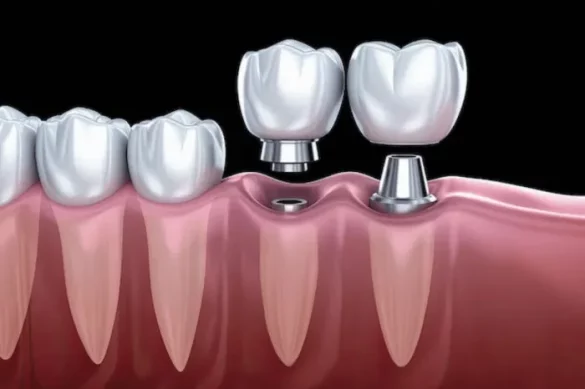
After the implant has healed and firmly bonded to the jawbone, you return for abutment placement. The abutment is a small connector that attaches to the titanium post and supports the final dental crown. This appointment typically requires minor gum incisions if the abutment cannot be placed at the same time as the implant. Healing after abutment placement often takes about three weeks.
Final Crown Placement Appointment
The last major appointment is placing your custom dental crown. Your dentist secures the crown to the abutment, making adjustments for comfort and bite alignment. With the crown in place, your new tooth looks and functions naturally. This step signals the completion of the implant procedure.
Additional Follow-Up and Review Appointments
Patients may have at least one follow-up after crown placement to ensure the implant site is healing well and the restoration is stable. Dental X-rays may confirm the implant’s security. These appointments are important for long-term implant success and usually are scheduled a few weeks after finishing the procedure.
Summary of Typical Appointment Numbers
- Simple single-tooth implant: 3–4 visits
- Implants with bone graft or other preparatory treatments: 5–6 visits
- Full arch or more complex cases: May require additional planning and review visits
Some patients may need extra appointments to deal with specific complications or ensure optimal healing. Your dentist will tailor the timeline to your unique needs.
Why Are Multiple Appointments Needed?
Dental implants are designed to integrate with the jawbone and last for many years. Each step—from assessment to implant placement to restoration—is structured to ensure safety, stability, and proper healing. Rushing any phase may lead to complications or implant failure. That is why dentists carefully plan appointments and monitor healing closely.
Factors That Can Affect the Number of Appointments
The complexity of your dental condition significantly alters your treatment timeline. The main factors include:
- The number of implants needed
- Need for bone grafting or tooth extractions
- General oral health and healing ability
- Recovery speed after surgeries
- Any complications during healing
Your dentist will evaluate these factors during the initial consultation and update the treatment plan if needed. Open communication with your dental provider helps ensure a smooth process.
Tips for Successful Dental Implant Appointments
- Maintain good oral hygiene throughout your treatment
- Follow your dentist’s aftercare instructions
- Keep all scheduled appointments for check-ups
- Alert your dentist to any unusual discomfort or swelling
Dental implants offer significant benefits, such as improved function, natural aesthetics, and preservation of jawbone structure. Patients often find the investment of time worthwhile for a long-lasting, stable dental restoration.
Conclusion
Dental implant treatment is a multi-appointment process that requires patience and commitment. On average, patients experience between three and six appointments, depending on their individual needs and the complexity of their case. Each visit plays an essential role, from assessment to final crown placement. Understanding what each appointment involves allows patients to prepare for the journey and ensures the best long-term result. For personalized advice, consult your dentist to design a dental implant plan tailored to you.
Frequently Asked Questions
Can dental implants be done in a single appointment?
No, dental implant treatment usually requires multiple appointments to allow for healing and to ensure the best outcome. Same-day implants are typically reserved for select cases after careful evaluation.
How long does each dental implant appointment take?
Consultations and follow-ups typically last between 30 and 60 minutes. The implant placement surgery itself may take one to two hours, depending on the complexity.
Is bone grafting necessary for dental implants?
Bone grafting is not always needed but is recommended when there is insufficient jawbone. This can add one or more appointments to the process.
What happens if complications arise during healing?
If complications occur, such as infection or slow healing, additional appointments may be necessary to address these concerns and ensure long-term success.
How soon will I get my final dental crown?
Most patients receive their final crown three to six months after initial implant placement once healing and osseointegration are complete.