


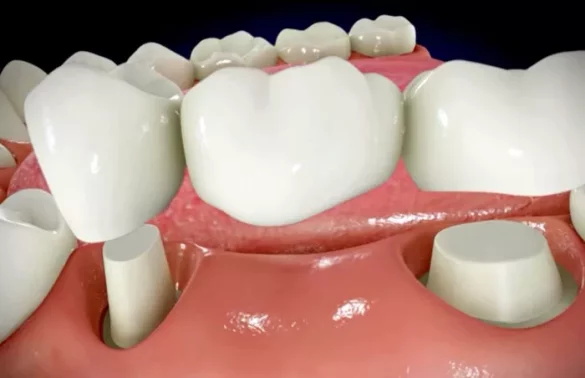
A dental bridge restores missing teeth. It fills a gap. It uses artificial teeth. It uses abutment teeth for support. It may also use implants for support. It improves chewing. It improves appearance. It stabilizes the bite. It prevents teeth from shifting. Bridges come in several forms. Each form has its own cost. Each form requires specific procedures.
Average Cost of a Dental Bridge Without Insurance
The cost varies widely. It depends on the type of bridge. It depends on the number of missing teeth. It depends on the materials used. It depends on the dentist and location. Patients without insurance pay the full cost. They also pay lab fees. They also pay exam and imaging fees.
Cost Range for a Traditional Dental Bridge
A traditional bridge is common. It uses crowns on two sides. It replaces one or more missing teeth. It usually costs between $2,000 and $5,000 for one missing tooth. Each additional tooth increases cost. Many factors influence the final fee.
Cost Range for a Cantilever Dental Bridge
A cantilever bridge attaches to a single supporting tooth. It is used when only one supporting tooth exists. It costs about $2,000 to $4,000. The cost may rise if the procedure is complex.
Cost Range for a Maryland Bonded Bridge
A Maryland bridge uses metal or ceramic wings. It bonds to the back of teeth. It is less invasive. It often costs between $1,500 and $3,000. It requires less tooth reduction. It may not be as durable. Choice of materials changes cost.
Cost Range for an Implant-Supported Dental Bridge
An implant-supported bridge is more expensive. It uses dental implants for support. It requires surgery. It requires healing time. It is the most durable option. It usually costs between $5,000 and $15,000 or more. Each implant has its own fee. Implant placement alone may cost $1,500 to $3,500 per implant. The bridge on top adds more cost.
Breakdown of Total Dental Bridge Costs
Dentists charge separate fees. These fees include the bridge. They include imaging. They include exams. They also include possible root canals. They include temporary restorations. They include adjustments. Patients without insurance must pay all parts.
Initial Consultation Costs
A consultation may cost $50 to $200. Some dentists offer free consultations. Others include the fee in the total treatment price.
X-Rays and Imaging Costs
X-rays help the dentist plan treatment. A full-mouth series may cost $100 to $250. A single panoramic image may cost $100 to $150. 3D cone-beam scans for implant cases can cost $200 to $350.
Cost of Tooth Preparation
To prepare abutment teeth, the dentist reshapes enamel. This process is part of the fee. It may be included in the bridge cost. Some dentists charge separately. The fee may range from $100 to $300 per tooth.
Temporary Bridge Costs
A temporary bridge protects prepared teeth. It costs between $100 and $400. Some clinics include it in the primary fee. Others charge separately.
Final Bridge Fabrication Costs
Lab work is a major cost. Dental labs create the bridge. They use ceramic. They use porcelain. They use zirconia. High-quality labs cost more. Expect $1,000 to $3,500 in lab-related fees depending on complexity.
Post-Procedure Adjustment Costs
Most patients need small adjustments. These may be free. Some clinics charge $50 to $150 per appointment.
Factors That Influence Dental Bridge Cost Without Insurance
Several variables affect cost. Each factor shapes the final fee. Patients should understand these factors to plan properly.
Number of Missing Teeth
More missing teeth require a longer bridge. More units raise the price. A three-unit bridge costs less than a five-unit bridge. Each unit can add hundreds of dollars to the total fee.
Type of Dental Bridge
Traditional bridges usually cost more than Maryland bridges. Implant-supported bridges cost the most. Cantilever bridges fall between these ranges. Patients should choose based on long-term needs, not just initial cost.
Material Choice
Materials matter. Porcelain fused to metal costs less. All-ceramic bridges cost more. Zirconia costs the most. Durable materials last longer. They look more natural. They increase treatment cost but may reduce long-term replacement needs.
Location of the Dental Office
Urban areas have higher costs. Rural areas charge less. Cost also varies by region. The West Coast and Northeast often have higher dental fees than the Midwest or South.
Dentist’s Skill and Experience
Highly trained dentists may charge more. Specialists such as prosthodontists may also charge premium fees. Their work may offer better outcomes and longevity.
Additional Dental Treatments
Some patients need fillings. Some need root canals. Some need gum treatment. These procedures increase cost. They protect the success of the bridge. They are necessary in many cases.
Tooth Extraction Needs
If a damaged tooth must be removed, extraction costs add to the total. Simple extractions may cost $100 to $250. Surgical extractions may cost $200 to $400 or more.
Implant Placement (If Required)
If implants support the bridge, implant surgery costs apply. Healing abutments, bone grafts, and implant parts all add to the overall fee.
Types of Materials Used in Dental Bridges and Their Cost Differences
Bridge materials influence durability. They influence appearance. They also influence long-term value.
Porcelain-Fused-to-Metal (PFM) Bridges
PFM bridges cost less. They are strong. They are commonly used. They offer good aesthetics. They may cause a dark line near the gums over time. They cost about $1,500 to $3,500 per unit.
All-Ceramic Bridges
All-ceramic bridges look natural. They blend well with natural teeth. They cost more. They usually range from $2,000 to $4,000 per unit.
Zirconia Bridges
Zirconia is very strong. It is durable. It is ideal for back teeth. It resists cracking. Its cost is higher. Expect $2,500 to $5,000 per unit for zirconia.
Cost Comparison Between Bridge Types
The type of bridge makes a major difference in price. Patients without insurance must compare options carefully.
Traditional vs. Cantilever Bridge Cost
Traditional bridges cost slightly more because they rely on more crowns. Cantilever bridges cost less but may not suit all cases.
Traditional vs. Maryland Bridge Cost
Maryland bridges cost less because they require minimal tooth reduction. They may not last as long. They may detach in high-bite-force areas.
Traditional vs. Implant-Supported Bridge Cost
Implant bridges cost much more. However, they offer superior stability. They do not rely on natural teeth. They may offer the best long-term value.
Longevity of Dental Bridges and Long-Term Costs
Bridges generally last 5 to 15 years. Some last longer with proper care. Material choice affects lifespan. Oral hygiene affects lifespan. Patients without insurance must consider long-term cost. Choosing a high-quality bridge may reduce future replacement costs.
Maintenance Costs
Regular cleanings cost money. Cleanings cost $75 to $200 per visit. Exams cost $50 to $150. These visits help preserve bridge longevity.
Replacement Costs
Replacing a bridge can cost as much as the original. Some replacements cost more if damage occurs. Investing in durable materials may reduce long-term expenses.
How to Save Money on a Dental Bridge Without Insurance
Patients can reduce costs. Several strategies help lower the total amount.
Dental Savings Plans
A dental savings plan may reduce treatment costs by 10% to 60%. It requires an annual membership fee. It is not insurance. It offers negotiated rates.
Dental Schools
Dental schools offer lower fees. Students perform procedures. Licensed professionals supervise them. This option saves money but may require longer visits.
Community Dental Clinics
Community clinics offer reduced fees. Some offer sliding-scale payments. They may have income requirements.
Payment Plans
Many clinics offer financing. Patients can pay monthly. Financing programs may charge interest. They help distribute cost over time.
Requesting Multiple Estimates
Comparing dentists helps. Prices vary widely between offices. Getting several quotes ensures fair pricing.
Choosing the Right Material for Your Budget
Patients with tight budgets may choose PFM or Maryland bridges. Patients seeking long-term value may choose zirconia or all-ceramic options.
Are Dental Bridges Worth the Cost Without Insurance?
Bridges restore oral function. They restore appearance. They protect surrounding teeth. They prevent shifting. They improve bite. Many patients consider them worth the cost. Delaying treatment may cost more later. Missing teeth can lead to gum disease. They can lead to jawbone loss. They can cause speech issues. A bridge prevents these complications.
Alternatives to Dental Bridges
Alternatives exist. Dentures offer a lower-cost option. Implants offer a high-cost, long-lasting solution. Each option has benefits.
Dentures
Partial dentures cost between $300 and $1,500. They are affordable. They are removable. They do not offer the stability of bridges.
Dental Implants
Implants cost more. They offer long-term strength. They prevent bone loss. They are ideal for patients seeking permanence.
Conclusion
The cost of a dental bridge without insurance varies greatly. It depends on type. It depends on materials. It depends on the dentist. It depends on the region. Patients must consider long-term value. They must consider durability. They must consider the lifetime cost. Planning ahead helps. Comparing clinics helps reduce fees. Asking questions helps patients choose the right option. A dental bridge is an investment in oral health. It restores function. It restores confidence.
Understanding the full cost helps patients make informed decisions.