


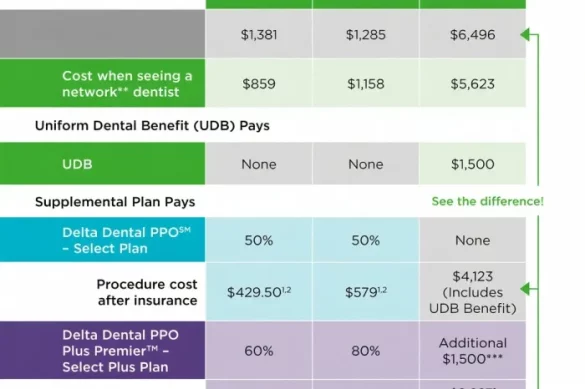
Dental insurance plays a crucial role in making essential procedures like root canals more affordable for patients. One of the most common questions that insured individuals have is how much Delta Dental covers for a root canal. Root canals are often necessary to address severe tooth pain and prevent further dental complications. Understanding your dental coverage is important to avoid unexpected bills and ensure you receive the care you need.
What Is Delta Dental and How Do Dental Benefit Plans Work?
Delta Dental is one of the largest dental insurance providers in the United States, offering benefit plans for both individuals and families. Dental benefit plans help pay for covered dental services, but coverage depends on your specific plan, the type of procedure, and whether you use an in-network dentist. Dental plans typically distinguish between preventive services, basic treatments, and major procedures, each with different levels of coverage.
What Is a Root Canal and Why Might You Need One?
A root canal is a dental procedure used to treat infection or damage inside a tooth. During a root canal, a dentist removes infected or inflamed tissue from the tooth’s pulp, cleans the root canal, and seals the space. This procedure can save a tooth that might otherwise need to be removed.
How Does Delta Dental Classify Root Canals?
Delta Dental typically classifies root canals as basic or major procedures, depending on the specific insurance plan. Some plans consider them a basic restorative service, while others classify them as a major service. The classification impacts the percentage of the cost Delta Dental covers, as basic procedures often have higher coverage percentages than major ones.
How Much Does Delta Dental Pay for a Root Canal?
The amount Delta Dental pays for a root canal varies widely based on several factors:
- Type of Plan: Each Delta Dental plan sets its own coverage percentages for different types of care.
- Procedure Classification: As mentioned, some plans classify root canals as basic, others as major. Basic classifications often lead to higher coverage, sometimes up to 80%, while major procedures might be covered around 50%.
- Dentist Network Status: Visiting an in-network dentist ensures you receive negotiated rates, which are usually lower than out-of-network prices. Out-of-network services may result in higher out-of-pocket costs or a lower percentage of coverage.
- Annual Maximums: Most dental insurance plans have yearly coverage limits, called annual maximums. Once you reach this limit, you must pay for additional work out-of-pocket for the remainder of the year.
- Deductibles and Coinsurance: Many plans require you to pay a set deductible before your benefits begin, and you may be responsible for coinsurance, which is your share of the procedure’s cost.
For example, if your plan covers root canals as a basic procedure at 80%, and the negotiated rate for the procedure is $1,000, Delta Dental would pay $800, and you would pay the remaining $200—plus any deductible if it applies. If the annual maximum is $1,500 and you have already used $800 for other services this year, only $700 remains for further dental claims.
How Can Members Estimate Root Canal Costs With Delta Dental?
Delta Dental provides a Dental Procedure Cost Estimator tool on its website. This tool helps members estimate costs based on their local area, type of plan, and chosen dentist. However, the tool provides only estimates. Actual costs can be affected by your dentist’s pricing, the complexity of your dental issues, and specific plan requirements such as pre-authorizations or referrals.
It is important to remember that cost estimates from the online tool are not guarantees of payment or benefits. The final cost and coverage are determined after the dental claim is processed. Always consult your benefit documents or speak with a Delta Dental representative to understand the exact terms of your coverage.
What Other Factors Affect Root Canal Coverage?
Several important factors can influence your out-of-pocket costs for a root canal:
- Plan Waiting Periods: Some dental plans require a waiting period before certain procedures like root canals are covered, especially if you are a new policyholder.
- Plan Exclusions and Limitations: Some dental insurance plans have exclusions or limitations on how many root canal treatments are covered per year or lifetime.
- Type of Tooth Treated: Molars typically cost more for root canals and may be classified differently in your plan. Delta Dental may reimburse differently depending on which tooth requires work.
What Should You Do Before Getting a Root Canal?
Before undergoing any major dental procedure, you should confirm your benefits directly with Delta Dental. Ask your dental care provider to submit a pre-treatment estimate to Delta Dental. This provides a detailed breakdown of what the insurance will pay and what you will owe. Review your plan’s summary of benefits booklet or online coverage documents for clear information on your deductibles, coinsurance, and annual maximums.
Importance of In-Network Dentists
Using dentists who are part of the Delta Dental network can reduce your out-of-pocket expenses. In-network providers agree to set rates, and Delta Dental pays its portion directly to the dental office. If you use an out-of-network dentist, you may be responsible for any amount that exceeds Delta Dental’s allowed charge in addition to your coinsurance.
What If The Cost Exceeds Your Coverage?
If the cost of your root canal goes over your annual maximum or Delta Dental’s allowed charges, you are responsible for paying the difference. Payment arrangements, financing, or discount dental plans may be available through your dentist’s office.
Conclusion
The coverage amount that Delta Dental provides for a root canal depends on your individual plan, dentist, and particular dental circumstances. Most members can expect to pay between 20% and 50% of the root canal’s cost, but this amount can vary. To best understand your potential costs, always refer to your specific plan documents and consider getting a pre-treatment estimate from Delta Dental. This preparation can help reduce surprises and allow you to plan for your dental care more effectively.
Frequently Asked Questions
How do I check how much my Delta Dental plan will cover for a root canal?
Contact Delta Dental directly, use their member portal, or speak to your dental provider, who can send a pre-treatment estimate to Delta Dental for an exact coverage explanation.
Does Delta Dental have a waiting period for root canal coverage?
Some plans have waiting periods for major services. Check your plan documents for details before scheduling major dental work.
Will Delta Dental cover a root canal at any dentist?
Coverage is higher when you use a Delta Dental network dentist. If you go out-of-network, your coverage may be less, and you may face additional charges.
What happens if I reach my plan’s annual maximum before my root canal?
If the annual maximum is reached, you must pay the remaining costs for the procedure out-of-pocket.
What should I do if costs are unclear?
Ask your dentist to send a pre-treatment estimate to Delta Dental, review your plan documents, or call Delta Dental’s customer service for clarification.