


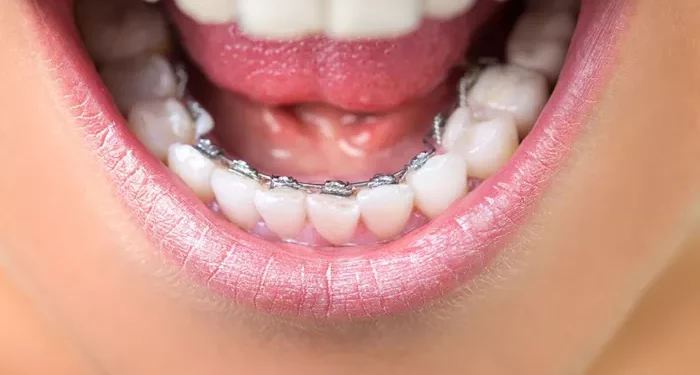
Braces are one of the most common orthodontic treatments used to straighten teeth and improve smiles. While many people opt for full braces to treat their entire set of teeth, some individuals only need braces on their bottom teeth. This article will explore the cost of braces for the bottom teeth, the factors that influence the cost, and other relevant considerations when opting for this treatment.
Understanding Braces for Bottom Teeth Only

Braces are designed to align teeth, correct bite issues, and enhance the appearance of the teeth. While full braces are typically used to treat both the upper and lower sets of teeth, some people only require treatment on the bottom row. These cases often occur when the bottom teeth are misaligned or overcrowded, while the top teeth remain relatively straight.
In such cases, orthodontists may recommend braces for the bottom teeth only. This treatment option focuses on correcting the alignment of the lower teeth without the need for full mouth braces.
Why Choose Braces for Bottom Teeth Only?
There are several reasons why someone might choose to get braces only for the bottom teeth:
- Minimal Misalignment: The top teeth may already be well-aligned, making treatment for the bottom row the main priority.
- Cost-Effectiveness: Opting for braces only on the bottom teeth can be less expensive than full braces.
- Cosmetic Concerns: Some people are only concerned with the appearance and function of their bottom teeth.
Factors That Affect the Cost of Braces for Bottom Teeth Only

The cost of braces on the bottom teeth depends on several factors, including the type of braces, the complexity of the treatment, and the location of the orthodontist’s office. Let’s break down the key factors that influence pricing.
Type of Braces
The type of braces you choose will play a significant role in determining the overall cost. There are several types of braces available:
- Traditional Metal Braces: These are the most common and typically the least expensive option. They consist of metal brackets and wires that are attached to the teeth.
- Ceramic Braces: Ceramic braces are less visible than metal braces, as they use clear or tooth-colored materials. They are more expensive than traditional braces.
- Lingual Braces: Lingual braces are placed on the back of the teeth, making them invisible from the front. However, they tend to be more expensive due to their complexity.
- Clear Aligners (e.g., Invisalign): These are clear plastic trays that gradually shift the teeth. They are often more expensive than traditional braces but offer a more discreet appearance.
Treatment Duration
The length of time you will need to wear braces also affects the cost. Typically, treatment for bottom teeth alone takes less time than full-mouth treatment, but the duration depends on the severity of misalignment. The longer the treatment, the higher the overall cost.
Location of the Orthodontist
The location of your orthodontist’s office can affect pricing. Orthodontic treatments are generally more expensive in metropolitan areas compared to rural areas due to higher overhead costs and demand for services.
Experience and Reputation of the Orthodontist
Orthodontists with extensive experience or a strong reputation may charge higher fees for their services. While this can increase the cost, it may also result in a more successful treatment outcome.
Average Cost of Braces for Bottom Teeth Only

On average, the cost of braces for the bottom teeth ranges from $1,500 to $4,500. This price varies based on the factors discussed above. Here is a breakdown of average costs for different types of braces:
- Traditional Metal Braces: $1,500 – $3,000
- Ceramic Braces: $2,000 – $4,000
- Lingual Braces: $3,000 – $5,000
- Clear Aligners: $3,000 – $4,500
While these are general price ranges, it is essential to consult with an orthodontist for a more accurate estimate based on your specific needs.
Additional Costs to Consider
Aside from the initial cost of braces, there are several additional expenses that may arise during your treatment:
- Consultation Fees: Some orthodontists charge for initial consultations, while others offer free consultations.
- Adjustment Fees: Braces need to be adjusted periodically throughout the treatment, and these adjustments can incur additional costs.
- Retainers: After your braces treatment, you may need to wear retainers to keep your teeth in their new positions. Retainers can cost anywhere from $100 to $500 per set.
Insurance Coverage for Braces on Bottom Teeth
Many dental insurance plans cover a portion of the cost of orthodontic treatment, including braces for the bottom teeth. However, the amount covered varies depending on your insurance plan. Some insurance plans may only cover a small percentage of the cost, while others may cover a significant portion.
It is important to check with your insurance provider to determine the extent of coverage for braces and whether your specific plan covers treatment for bottom teeth only.
Is It Worth It to Get Braces on Bottom Teeth Only?
If you have misaligned bottom teeth but your top teeth are already well-positioned, braces for the bottom teeth alone can be a great option. This treatment can improve both the appearance and function of your teeth, while potentially saving you money compared to full-mouth braces.
However, it is important to consult with an orthodontist to determine whether braces on the bottom teeth alone will provide the desired results. In some cases, full braces may be necessary for optimal outcomes.
Conclusion
Braces on the bottom teeth only can be an effective and cost-efficient option for individuals who only need to correct misalignment on their lower row of teeth. The cost of treatment depends on several factors, including the type of braces, treatment duration, and location of the orthodontist’s office.
To determine the best course of action for your situation, it is essential to consult with an experienced orthodontist who can evaluate your dental needs and provide a customized treatment plan.
FAQs
1. How long will I need braces for the bottom teeth only?
The duration of treatment depends on the severity of misalignment. Typically, braces on the bottom teeth may take anywhere from 6 months to 1.5 years. Your orthodontist will provide a more accurate timeline based on your specific needs.
2. Can I get braces for just the bottom teeth if I have a bite problem?
It is possible to get braces for only the bottom teeth if your bite issue is limited to the lower row. However, in some cases, correcting bite issues may require treatment for both the upper and lower teeth. Your orthodontist will evaluate your condition and recommend the best solution.
3. Do I need to wear a retainer after getting braces on my bottom teeth?
Yes, after the braces are removed, you will likely need to wear a retainer to prevent your bottom teeth from shifting back to their original position. Retainers are typically worn for a period of time after treatment, depending on your specific case.
4. Is it cheaper to get braces for only the bottom teeth?
Yes, braces for just the bottom teeth are generally less expensive than full-mouth braces. However, the cost will still depend on the type of braces chosen and other factors such as treatment duration and location.