


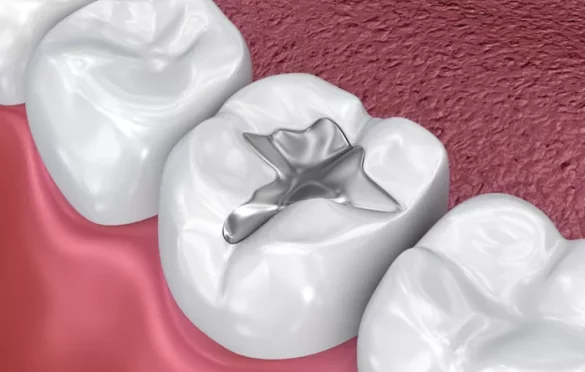
White fillings, also known as composite resin fillings, are a popular dental treatment to restore decayed or damaged teeth. They are preferred for their natural appearance, as they can be matched to the color of your teeth. Unlike metal fillings, white fillings blend seamlessly with your smile.
Although white fillings are durable, they are not permanent. Understanding their lifespan and the factors that affect their longevity is important to maintain oral health.
Average Lifespan of White Fillings
White fillings typically last between 5 to 10 years, although many can last longer with proper care. The exact lifespan depends on several factors including the size of the filling, location in the mouth, chewing habits, and oral hygiene practices.
Smaller fillings in low-pressure areas tend to last longer than large fillings on molars that endure heavy chewing forces.
Factors Affecting Longevity
Size and Location of the Filling
Large fillings or those on back teeth may experience more stress. The chewing pressure can cause cracks or wear in these fillings faster than in smaller or front teeth restorations.
Oral Hygiene Practices
Good oral hygiene can significantly extend the life of white fillings. Regular brushing, flossing, and routine dental check-ups help prevent decay around the edges of the filling. Plaque and bacteria buildup can weaken the bond between the filling and tooth, reducing longevity.
Diet and Habits
Chewing hard foods, ice, or using teeth as tools can damage fillings. Acidic foods and drinks can also erode the surrounding tooth structure and compromise the filling’s stability over time.
Bruxism (Teeth Grinding)
Grinding or clenching teeth can put excessive stress on fillings. Patients who grind their teeth may notice shorter lifespans for white fillings. Dentists often recommend night guards to protect fillings and natural teeth from damage.
Material Quality and Placement Technique
The type of composite material and the dentist’s technique influence the filling’s durability. Modern composites are more durable and resistant to staining than older materials. Proper bonding and layering during placement are crucial to avoid early failures.
Signs That a White Filling Needs Replacement
Recognizing early signs of wear or damage is essential for preventing further dental problems.
Visible Cracks or Chips
Small cracks or chips can occur due to chewing or accidental trauma. Even minor damage can allow bacteria to enter and cause decay beneath the filling.
Discoloration
White fillings can stain over time. Yellowing or dark edges may indicate that the filling is aging or that decay is forming beneath it.
Tooth Sensitivity
Sensitivity to hot, cold, or sweet foods can signal that a filling is no longer sealing the tooth effectively. This can be an early warning of decay or microleakage around the filling.
Rough or Uneven Surface
Wear can create rough areas on the filling, making it uncomfortable and more prone to plaque buildup. Regular dental visits can detect these changes before they cause problems.
Gaps Between Filling and Tooth
If a gap develops between the filling and tooth, bacteria can enter and cause decay. This usually requires immediate attention and replacement of the filling.
Replacement Procedure for White Fillings
When a filling needs replacement, the dentist will carefully remove the old material and clean the cavity. The process ensures that all decay is eliminated and the tooth is ready for a new filling.
Step 1: Evaluation
The dentist examines the filling and may take X-rays to check for hidden decay. This step ensures that no underlying problems are missed before replacement.
Step 2: Removal of Old Filling
The damaged or worn filling is removed using dental tools. The dentist ensures that all remnants are cleared to prevent further decay.
Step 3: Cleaning and Preparation
The tooth cavity is cleaned thoroughly. The dentist prepares the tooth by shaping it to hold the new filling securely. A bonding agent is applied to improve adhesion.
Step 4: Placement of New Filling
The composite material is applied in layers and hardened using a curing light. Each layer is carefully placed to ensure strength and proper contouring to match the tooth.
Step 5: Polishing and Finishing
The filling is polished to smooth the surface and ensure a natural look. Proper finishing helps prevent plaque buildup and extends the filling’s life.
Maintenance Tips for Longer-Lasting White Fillings
Proper care can extend the lifespan of white fillings significantly.
Regular Dental Check-Ups
Routine visits allow dentists to monitor fillings for early signs of wear or damage. Professional cleaning also removes plaque that could weaken the filling.
Good Oral Hygiene
Brush twice daily with fluoride toothpaste and floss daily. This reduces the risk of decay around fillings and prevents staining.
Avoid Harmful Habits
Limit chewing on hard objects, avoid excessive sugary and acidic foods, and consider a mouthguard if you grind your teeth.
Immediate Attention to Problems
If you notice sensitivity, cracks, or discoloration, contact your dentist promptly. Early replacement prevents more complex dental problems.
Comparing White Fillings to Other Materials
White fillings are preferred for aesthetics but may not last as long as metal fillings like amalgam. Metal fillings often last 10–15 years or longer, especially on back teeth. However, white fillings provide a natural appearance and bond more effectively to the tooth structure.
Recent improvements in composite technology have narrowed the gap in durability, making white fillings a reliable choice for most patients.
Conclusion
White fillings are a durable and aesthetic dental solution, typically lasting 5 to 10 years. Lifespan depends on size, location, oral hygiene, diet, and habits like teeth grinding. Regular dental check-ups help detect wear or decay early, and timely replacement prevents more serious problems.
Proper care and maintenance can maximize the lifespan of white fillings. Patients should follow good oral hygiene practices, avoid harmful habits, and seek prompt dental attention for any signs of filling deterioration. With careful monitoring, white fillings can maintain both function and appearance for many years.