


Most people don’t forget dental cleanings because they don’t care. They forget because nothing hurts, everything feels fine, and life moves on.
The tricky part is that plaque buildup and gum disease often start quietly, without obvious symptoms. That’s exactly why regular cleanings matter. For many people, a visit every six months is enough. But depending on your gum health and risk level, you may benefit from more frequent cleanings.
In this guide, our team at Avalon Dental Group in Sugar Land breaks down how often you should get a dental cleaning, what factors affect timing, and the signs that it may be time to schedule sooner.
The Standard Recommendation: Every 6 Months
For most adults and children, the general recommendation is a professional dental cleaning every six months. This schedule works well because it helps:
- remove plaque and hardened tartar (calculus)
- reduce the risk of cavities
- prevent gum disease from developing or worsening
- manage surface stains
- catch early issues before they become larger problems
Even with thorough brushing and flossing at home, plaque can build up in hard-to-reach areas. Over time, that plaque hardens into tartar, which cannot be removed with a toothbrush.
At our dental office, we focus on personalised and comfortable preventive care tailored to your mouth’s specific needs. If you’re unsure whether the standard six-month schedule is right for you, a quick routine visit is a simple way to get clarity and stay ahead of problems early.
What Patients Say About Us
“I came in as a new patient and was very impressed with this office. From start to finish everyone was very friendly, warm, and professional. The work and services done were very thorough as well. The cleaning they did for me was one of the best I’ve had in a while. I plan to come back and make this my new dentist.” – M.E.
Read more patient reviews.
Why Dental Cleaning Frequency Isn’t the Same for Everyone
Many people assume “twice a year” is a rule. In reality, dental cleaning frequency depends on your oral health needs.
Some people can safely stay on a 6-month schedule for years. Others need cleanings every 3 to 4 months to protect their gums and prevent recurring issues.
Here are the most common factors that affect cleaning frequency.
1) Gum Health (The Biggest Factor)
Gum health plays the largest role in how often you should get your teeth cleaned.
Healthy gums usually do well with cleanings every six months. But if you’ve had signs of gum disease, your dentist may recommend a shorter interval.
You might need cleanings more often if you have:
- bleeding when brushing or flossing
- swollen or tender gums
- gum recession
- deeper gum pockets
- a history of periodontal disease
Many patients with gum disease benefit from a maintenance schedule every 3–4 months, which helps keep harmful bacteria under control.
2) How Fast You Build Up Plaque and Tartar
Some people build tartar quickly, even with good home care. This can be influenced by:
- saliva composition
- crowded teeth
- inconsistent flossing
- diet (especially sugary or starchy foods)
If your hygienist frequently has to remove heavy buildup, a shorter cleaning interval may help prevent inflammation and reduce long-term risk.
3) Smoking or Tobacco Use
Tobacco use increases the risk of gum disease and makes it harder for the body to heal. It can also hide early symptoms, which means gum disease may progress without noticeable discomfort.
4) Medical Conditions That Affect Oral Health
Certain medical conditions can raise the risk of gum disease, infections, and delayed healing. These include:
- diabetes
- autoimmune conditions
- chronic dry mouth (often caused by medications)
- heart disease and inflammatory health concerns
When oral bacteria and inflammation are harder to control, it becomes even more important to stay on schedule with cleanings.
5) Braces, Aligners, or Extensive Dental Work
Orthodontic treatment and certain restorations can make plaque control more difficult.
More frequent cleanings may be helpful if you have:
- braces or clear aligners
- attachments for Invisalign
- dental implants
- crowns or bridges
- older restorations where plaque collects at the edges
The goal is prevention. Small plaque buildup can become a bigger issue faster when cleaning is delayed.
How Often Should Kids Get Dental Cleanings?
In most cases, kids should also get dental cleanings every six months.
Children may need more frequent cleanings if they:
- have frequent cavities
- struggle with brushing and flossing
- have deep grooves on molars
- are wearing braces or orthodontic appliances
Routine cleanings are also a great way to build comfort and confidence at the dentist. When visits are consistent, dental care feels normal rather than stressful.
Signs You May Need a Dental Cleaning More Often
Even if you’re trying to stick to a schedule, your mouth may be telling you it’s time for a cleaning sooner.
Consider scheduling sooner if you notice:
- gums that bleed easily
- persistent bad breath
- swollen or tender gums
- buildup behind the lower front teeth
- tooth sensitivity that is new or worsening
- gums pulling away from the teeth
- teeth that feel rough or coated even after brushing
These signs can indicate tartar buildup and gum inflammation that require professional care. If you are looking for gentle, personalized dental care, we invite you to contact our Sugar Land team. We will help you schedule a visit at a time that is convenient for you.
What Happens During a Professional Dental Cleaning?
A dental cleaning appointment is straightforward, but it does more than simply “make teeth feel clean.”
At our office, a typical cleaning visit may include:
Plaque and Tartar Removal
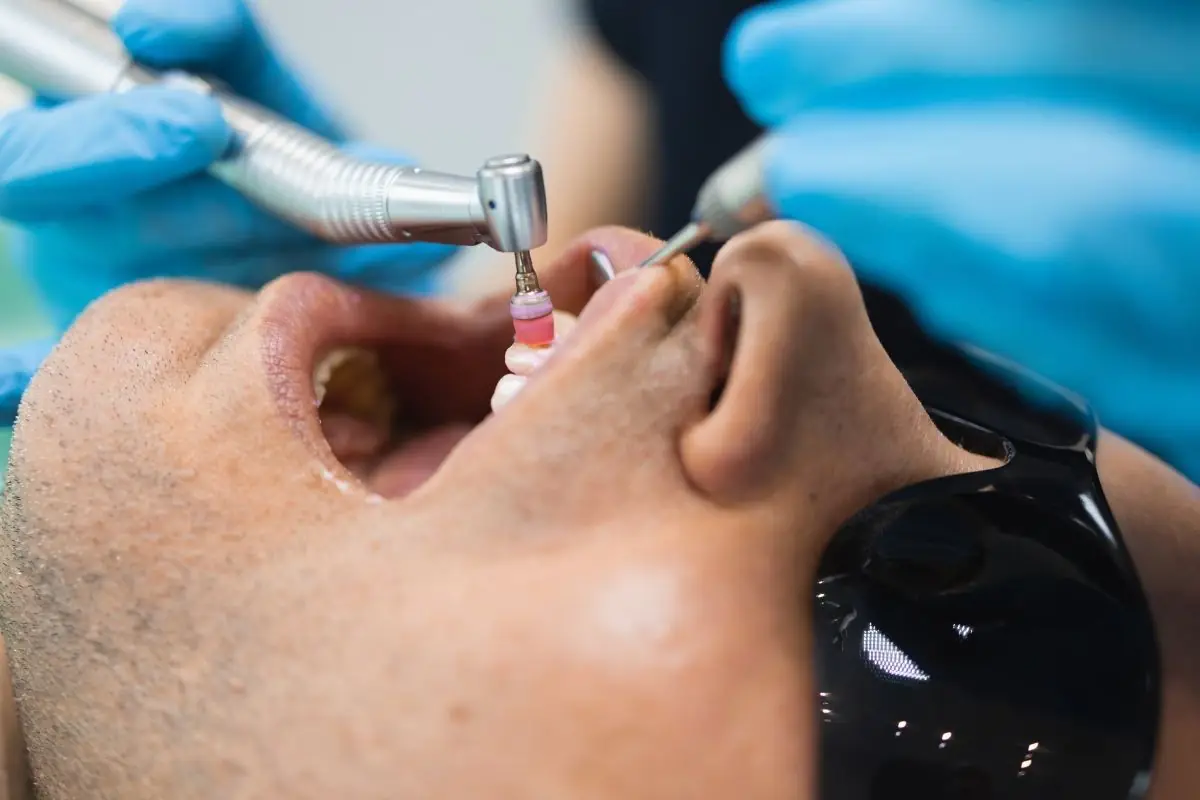
Our hygienist removes plaque and tartar buildup from above and around the gumline, including areas that brushing can’t reach.
Polishing
Teeth are polished to remove surface stains and smooth the enamel, which makes it harder for plaque to stick.
Flossing and Rinse
Professional flossing and rinsing remove lingering debris and help freshen your mouth.
Dental Exam
In most cases, our dentists also check for early signs of:
- cavities
- gum disease changes
- enamel wear
- cracks or bite issues
- areas that may need attention soon
Depending on your history and last imaging date, X-rays may also be recommended to check areas that can’t be seen visually.
What If You Haven’t Had a Cleaning in Years?
This is more common than people think, and there’s no judgment in it.
If it’s been several years since your last cleaning, the first visit might include a gum evaluation to check for signs of periodontal disease. We may measure gum pocket depth and look for inflammation and tartar buildup under the gumline.
If deeper buildup is present, you may be recommended:
- a deep cleaning
- scaling and root planing
- a periodontal maintenance schedule afterward
The goal is to restore gum health and then maintain it. Many people return to a 6-month schedule once the gums stabilize.
Is Getting Cleanings Too Often Bad for Teeth?
For most people, more frequent cleanings are safe when there’s a clear reason for them.
Dental cleanings are designed to protect teeth and gums, not damage them. That said, you don’t want unnecessary treatment either. The best approach is a schedule based on your actual needs. A personalized plan protects your gums and prevents future dental problems without overdoing it.
Best Dental Cleaning Frequency: Quick Guide
Here’s a simple breakdown:
- Every 6 months: most people with healthy gums
- Every 3–4 months: those with gum disease history or higher risk
- Every 12 months: uncommon, usually only for very low-risk patients with excellent gum health
A professional exam is the best way to confirm what schedule is right for you.
Keep Your Smile in Top Shape
Staying consistent with cleanings is one of the easiest ways to protect your teeth. It helps prevent cavities, helps keep gum disease from progressing, and allows small concerns to be addressed early.
If you’re due for a visit or unsure what schedule makes sense for you, our team at Avalon Dental Group is here to help you stay on track with care that fits your needs.
In addition to cleanings, we offer a wide range of dental services for individuals and families in the Sugar Land area. If you’re looking for a dental home that focuses on comfort, prevention, and care, you’re welcome to explore our website to learn more about our approach and services.
Want to visit us in person? Our office is conveniently located near the intersection of Williams Trace Boulevard and Highway 6 in Sugar Land.