


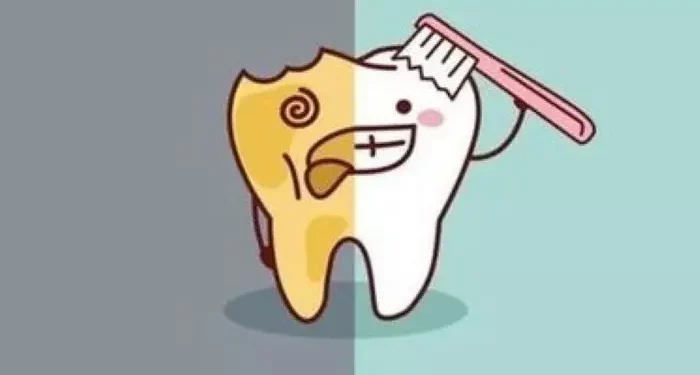
Tooth decay is a common dental problem that affects people of all ages. It results from a combination of factors, including poor oral hygiene, diet, and the presence of bacteria in the mouth. While conventional treatments like fillings and crowns are effective, many individuals seek natural methods to prevent and even reverse tooth decay. This article explores holistic approaches, dietary changes, lifestyle modifications, and natural remedies that can help you maintain optimal oral health and stop tooth decay in its tracks.
Understanding Tooth Decay
Tooth decay, or dental caries, occurs when the hard surface of the teeth (enamel) is damaged by acids produced by bacteria that feed on sugars in the mouth. The process of decay typically progresses through several stages:
Demineralization: The enamel begins to lose minerals due to acid exposure.
Cavity Formation: If demineralization continues, cavities can form.
Pulp Infection: If the decay reaches the inner pulp of the tooth, it can lead to infection and severe pain.
Causes of Tooth Decay
To effectively combat tooth decay, it’s essential to understand its causes:
Bacteria: Streptococcus mutans is the primary bacterium responsible for tooth decay. It thrives on sugars and produces acids that erode enamel.
Diet: High sugar and carbohydrate intake can fuel bacterial growth and acid production.
Poor Oral Hygiene: Inadequate brushing and flossing allow plaque buildup, increasing the risk of decay.
Dry Mouth: Saliva helps neutralize acids and remineralize enamel. A lack of saliva can lead to increased decay risk.
Acidic Foods and Beverages: Foods like citrus fruits and sodas can contribute to enamel erosion.
Natural Approaches to Prevent Tooth Decay
Maintain Good Oral Hygiene
The foundation of preventing tooth decay is good oral hygiene. Here are some essential practices:
Brush Twice Daily: Use fluoride toothpaste and a soft-bristled toothbrush. Brush for at least two minutes, ensuring you reach all surfaces of your teeth.
Floss Daily: Flossing removes food particles and plaque from between teeth where a toothbrush can’t reach.
Regular Dental Checkups: Visit your dentist every six months for professional cleanings and checkups.
Optimize Your Diet
Your diet plays a crucial role in oral health. Here are dietary strategies to help prevent tooth decay:
Reduce Sugar Intake
Limit Sugary Foods and Beverages: Reduce consumption of candies, sodas, and baked goods. Opt for healthier snacks like fruits, vegetables, and nuts.
Choose Natural Sweeteners: Use honey or maple syrup sparingly, as they can still contribute to decay.
Increase Nutrient-Rich Foods
Calcium-Rich Foods: Dairy products, leafy greens, and almonds are excellent sources of calcium, which strengthens teeth.
Vitamin D: Essential for calcium absorption, vitamin D can be obtained from sunlight, fatty fish, and fortified foods.
Phosphorus: Found in meat, fish, and nuts, phosphorus helps remineralize teeth.
Incorporate Remineralizing Foods
Green Tea: Contains catechins that can inhibit bacteria and reduce acidity in the mouth.
Coconut Oil: Known for its antimicrobial properties, coconut oil can be used in oil pulling to reduce harmful bacteria.
Fermented Foods: Foods like yogurt, kefir, and sauerkraut promote healthy gut bacteria, which can positively impact oral health.
Stay Hydrated
Drinking plenty of water helps maintain saliva production, which is vital for neutralizing acids and washing away food particles. Consider:
Fluoridated Water: If available, drink fluoridated water to help strengthen enamel.
Avoid Sugary Drinks: Limit sodas and fruit juices, which can contribute to decay.
Natural Remedies for Oral Health
Several natural remedies can support oral health and potentially reverse early signs of tooth decay:
Oil Pulling
Oil pulling involves swishing oil (such as coconut oil) in your mouth for 10-20 minutes. This practice can reduce harmful bacteria and improve oral hygiene.
Herbal Rinses
Using herbal rinses made from ingredients like sage, chamomile, or peppermint can help soothe gums and combat bacteria.
Baking Soda
Baking soda can neutralize acids in the mouth. You can create a paste with water and use it to brush your teeth occasionally.
Utilize Natural Toothpaste and Mouthwash
Consider using natural toothpaste that contains ingredients like:
Xylitol: A natural sweetener that can inhibit the growth of decay-causing bacteria.
Neem: Known for its antimicrobial properties, neem can help maintain oral health.
Tea Tree Oil: This essential oil has antibacterial properties and can be added to homemade toothpaste or mouthwash.
Manage Acidic Foods and Beverages
While some acidic foods are healthy, they can erode enamel over time. Here are tips to manage their consumption:
Rinse After Eating: Rinse your mouth with water after consuming acidic foods to neutralize acids.
Use a Straw: When drinking acidic beverages, use a straw to minimize contact with teeth.
Promote Saliva Production
Saliva is essential for oral health. To promote saliva production:
Chew Sugar-Free Gum: Chewing gum stimulates saliva flow, which helps neutralize acids.
Stay Hydrated: Drink water throughout the day to keep your mouth moist.
Avoid Tobacco Products
Smoking and using tobacco products can contribute to gum disease and tooth decay. Quitting tobacco is one of the best things you can do for your oral health.
Consider Supplements
Certain supplements may help support oral health:
Calcium and Vitamin D: These are crucial for maintaining strong teeth and bones.
Probiotics: Beneficial bacteria can help balance the oral microbiome and reduce harmful bacteria.
Lifestyle Modifications for Better Oral Health
Stress Management
Stress can lead to teeth grinding (bruxism), which can wear down enamel. Practice stress-reduction techniques such as:
Meditation: Mindfulness and meditation can help reduce stress levels.
Exercise: Regular physical activity can improve overall health and reduce stress.
Sleep Hygiene
Poor sleep can negatively impact your immune system and overall health, including oral health. Aim for 7-9 hours of quality sleep each night.
Educate Yourself and Your Family
Understanding the importance of oral health can motivate you and your family to adopt better habits. Share information about the effects of diet and hygiene on teeth.
Conclusion
Tooth decay is a preventable condition that can be managed through natural methods. By adopting good oral hygiene practices, optimizing your diet, utilizing natural remedies, and making lifestyle changes, you can significantly reduce your risk of tooth decay and maintain a healthy smile. Remember that while natural methods can be effective, regular dental checkups are essential for monitoring your oral health and addressing any issues early on. Taking a proactive approach to your dental care will lead to a lifetime of healthy teeth and gums.
Related topics:
What Are The Three Types Of Tooth Extraction
Is It Okay to Leave a Dead Tooth in Your Mouth
Which Tooth Extraction Takes The Longest To Heal
Tags: dental carediseaseteethtoothtooth decay