


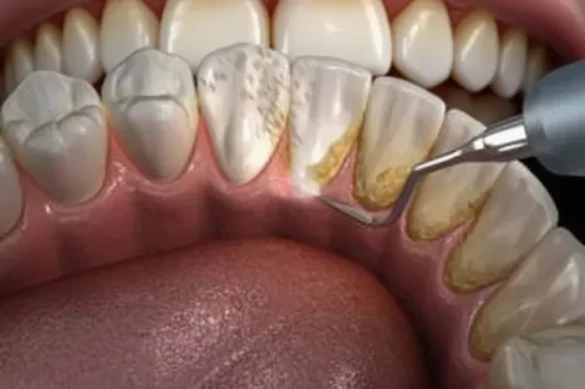
Black and yellow stains on teeth are common concerns for many people seeking a brighter and healthier smile. Discoloration can affect not only your confidence but also your oral health. Fortunately, with the right knowledge and consistent habits, it is possible to remove these stains safely and effectively. This article explores the causes, proven home remedies, professional treatments, and preventive strategies to help you achieve and maintain whiter teeth.
Understanding Black and Yellow Teeth Stains
Teeth stains fall into two main categories: surface (extrinsic) and deep (intrinsic) stains. Yellow stains are typically surface stains caused by food, drinks, smoking, and poor oral hygiene. Black stains, on the other hand, may indicate cavities, tartar buildup, chromogenic bacteria, or more serious dental issues. Recognizing the type and cause of stain is the first step toward selecting the most effective removal method.
Common Causes of Tooth Discoloration
Several factors contribute to black and yellow staining on teeth:
1. Food and Beverages
Drinks such as coffee, tea, red wine, and soda can leave yellow or brown stains over time. Foods like tomato sauce, curry, and berries also contribute.
2. Tobacco Use
Smoking or chewing tobacco is a major source of black and yellow stains. Tar and nicotine settle into tooth enamel and are hard to remove with regular brushing.
3. Poor Oral Hygiene
Inadequate brushing and flossing allow plaque and tartar to accumulate, which can lead to both yellow and black discoloration.
4. Dental Issues
Black stains often signal underlying problems like cavities, tooth decay, or gum disease. Chromogenic bacteria can also create dark lines near the gum line, especially in children.
5. Aging and Enamel Thinning
As enamel wears down with age, the yellow dentin beneath becomes more visible. Thinner enamel is also more prone to staining.
Effective Home Remedies for Teeth Stain Removal
Natural remedies can be helpful for removing mild surface stains. However, always use them with care to avoid damaging enamel.
Baking Soda and Hydrogen Peroxide
Baking soda is a gentle abrasive, and hydrogen peroxide acts as a bleaching agent. Mixing one tablespoon of baking soda with two tablespoons of hydrogen peroxide creates a paste for brushing. Use this remedy once or twice weekly for best results, but don’t overuse to prevent enamel erosion.
Oil Pulling
Swishing coconut oil in your mouth for 15-20 minutes may help reduce plaque and improve oral health. Coconut oil has antimicrobial properties, which can minimize yellowing caused by bacteria and debris.
Apple Cider Vinegar
Dilute apple cider vinegar with water (one part vinegar to two parts water) and use it as a mouth rinse. The natural acids in vinegar can break down surface stains, but restrict use to once or twice a week to protect your enamel.
Strawberries and Baking Soda
Crush one ripe strawberry and mix with half a teaspoon of baking soda. Apply to teeth, leave for 5-10 minutes, then brush normally. The malic acid in strawberries helps dissolve stains, but this method should be used sparingly.
Activated Charcoal
Brush your teeth gently with activated charcoal powder (once weekly). It binds to surface stains and removes toxins. Be careful not to over-brush, as charcoal can be abrasive.
Lemon Juice and Baking Soda
This combination has strong bleaching properties but is very acidic. Use a paste made with lemon juice and baking soda for only a minute before rinsing thoroughly. Limit use to avoid enamel weakening.
Turmeric
Despite its bright color, turmeric can help clean surface stains and benefit gum health thanks to its anti-inflammatory effects. Brush with turmeric powder for a few minutes before following up with regular toothpaste.
Crunchy Fruits and Vegetables
Apples, celery, and carrots naturally scrub your teeth while stimulating saliva production, which neutralizes acids and washes away food particles.
Professional Treatments for Stubborn Stains
For deeper or more stubborn discoloration, professional dental treatments are recommended:
Professional Dental Cleaning
Your dentist can remove plaque and tartar buildup with specialized tools during a dental cleaning. This is especially effective for yellow and mild black stains caused by external factors.
Whitening Toothpaste and Mouthwashes
Use products approved by recognized dental associations. Whitening agents can help gradually lighten yellow stains but may not be effective for black or intrinsic stains.
At-Home Whitening Kits
These kits use peroxide gels or strips to bleach teeth. They are effective for yellow and brown staining but may cause sensitivity if overused. Follow instructions closely.
In-Office Whitening Procedures
Dentists offer bleaching treatments that use higher concentrations of whitening agents for rapid results. This is effective for yellow and some brown stains.
Scaling and Root Planing
For stains caused by tartar below the gum line or early gum disease, deep cleaning procedures like scaling and root planing are needed.
Dental Veneers or Bonding
If stains are resistant to whitening (intrinsic stains or severe black discoloration), veneers or bonding can restore natural appearance by covering the affected teeth.
Maintaining Good Oral Hygiene
Daily brushing (twice a day) using fluoride toothpaste and regular flossing are essential. Mouthwash helps reduce bacteria and freshen breath. Consistent oral hygiene limits stain buildup and helps maintain a whiter smile over the long term.
Preventing Teeth Stains in the Future
Limit Staining Foods and Beverages
Reduce intake of coffee, tea, red wine, sodas, and dark foods. If consumed, rinse your mouth with water soon after.
Say No to Tobacco
Quitting smoking and avoiding tobacco products are key to preventing new stains and improving overall oral health.
Regular Dental Visits
Professional cleanings every six months help eliminate potential stains before they set in and allow dentists to catch any early cavities or gum disease.
Use a Straw
Drinking staining beverages through a straw directs liquid away from your teeth, reducing exposure.
Choose Stain-Resistant Foods
Incorporate dairy products and strawberries, which have natural stain-fighting properties, into your diet.
When to See a Dentist
If black stains are accompanied by pain, sensitivity, or bad breath, see a dentist as soon as possible. Black spots may indicate decay or infection, requiring prompt treatment. Intrinsic stains (within the tooth) and those that don’t respond to home remedies should also be evaluated by a dental professional.
Conclusion
Black and yellow teeth stains are common but can often be treated and prevented with the right approach. Home remedies, good oral hygiene, and limiting stain-causing foods play vital roles in maintaining a brighter smile. For stubborn or dark stains, professional dental care is the safest and most effective solution. Always be gentle with your teeth and consult a dentist before starting new treatments to protect your enamel and oral health.
FAQs
What causes black stains on teeth?
Black stains may result from tartar, chromogenic bacteria, cavities, or the use of tobacco. Seeing a dentist is recommended for diagnosis and proper treatment.
Can I use home remedies to remove yellow stains?
Yes, mild yellow stains can often be improved with baking soda, strawberries, or activated charcoal. Always use safe, gentle methods to avoid harming enamel.
How often should I use whitening remedies?
Most natural whitening remedies should not be used more than once or twice a week to prevent enamel erosion.
When should I see a dentist for tooth discoloration?
If stains do not improve with home care, are black or deep, or are accompanied by other symptoms like pain, consult your dentist.
Are professional whitening treatments safe?
When done under professional supervision, whitening treatments are safe and effective. Avoid overusing products on your own to protect tooth enamel.