


Cleaning teeth thoroughly is essential for maintaining good oral hygiene, and many people often wonder how long they should brush their teeth to achieve the best results. While the general advice is to brush for around two minutes, some experts recommend brushing for three minutes. This article examines whether three minutes is too long to brush your teeth and provides clear, practical advice backed by dental research.
Understanding Toothbrushing Duration
Dentists commonly agree that brushing for at least two minutes is necessary to effectively remove plaque and food residue. Plaque is a sticky layer made up of bacteria, saliva, and leftover food particles, and if not removed, it can cause cavities and gum disease. Two minutes, divided equally between the upper and lower teeth, helps ensure that all surfaces are cleaned, including the front, back, and chewing sides of each tooth.
However, recent trends have seen some professionals recommend brushing for three minutes. The idea is to have one and a half minutes dedicated to the upper teeth and the same duration for the lower teeth. The extra time is meant to help individuals reach difficult areas, such as behind the front teeth and along the gum line.
Is Brushing for Three Minutes Beneficial?
Brushing for three minutes can offer added benefits for some individuals, especially those who are prone to missing spots when brushing, such as the back molars or the tongue side of the teeth. Longer brushing may help those with braces or other dental appliances, as more time may be required to clean around wires and brackets.
Many people don’t even reach the recommended two-minute mark when brushing. As a result, extending brushing time to three minutes could help overcome this shortfall. Some electric toothbrushes include timers to help users brush for the optimal duration.
Risks of Over Brushing
Brushing for a longer period is not, in itself, harmful. The problem arises when too much pressure is applied or when a hard-bristled brush is used. Overbrushing—especially with excess force—can cause abrasion of the enamel, the tooth’s protective outer layer. Damage to the enamel can lead to tooth sensitivity. Over time, excessive brushing can also wear down gum tissue, increasing the risk of recession and dental issues.
For children, the risk of brushing too hard can be higher, as they may not have developed gentle brushing techniques. Supervision is important to ensure they do not scrub forcefully, especially if brushing for longer periods.
Proper Brushing Technique Matters
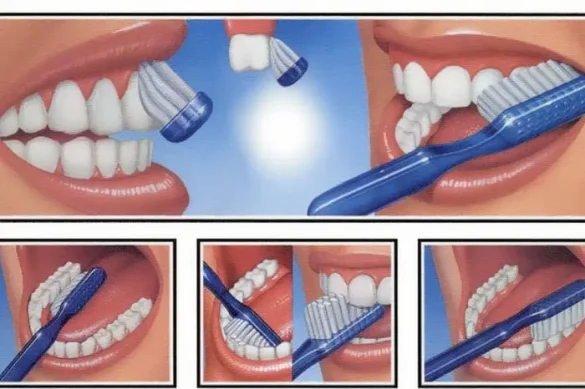
While brushing duration is important, the most critical factor is technique. Dentists recommend brushing with short, gentle strokes, moving back and forth against the teeth and gums. Pay attention to all surfaces—outer, inner, and chewing surfaces—as well as the back of the front teeth, where plaque can easily build up.
Use a brush with soft bristles and avoid pressing too hard. If you switch the hand you use for brushing, you might notice you’re more gentle. This can help prevent the temptation to scrub too aggressively.
Timing and Frequency of Brushing
The American Dental Association suggests brushing twice a day with fluoride toothpaste, each time for at least two minutes. Frequent brushing is essential, but timing is equally important. For example, brushing immediately after eating acidic foods or drinks can be risky, as acids temporarily soften the enamel. It is recommended to wait at least an hour after consuming acidic foods before brushing to allow the enamel to harden again.
Although brushing longer can help with thorough cleaning, waiting until the right moment following meals ensures that brushing does not harm the enamel. Drinking water after acidic foods can help restore normal pH faster, but waiting is still best for enamel health.
Other Oral Hygiene Practices
To maintain healthy teeth and gums, brushing alone is not enough. Flossing once daily helps remove plaque and food particles from areas the toothbrush cannot reach, especially between teeth. Dental professionals also recommend using an interdental brush if you have larger spaces between your teeth. Mouthwash can be used after brushing and flossing to help reduce bacteria and freshen breath.
Regular dental check-ups and professional cleanings every six months are also important. Dentists can help find and treat problems early and guide the best brushing and flossing techniques for your unique oral health needs.
Special Considerations for Children
Children often benefit from additional supervision and guidance when brushing their teeth. They may need reminders about brushing technique and time. Parents can use songs, apps, or timers to encourage brushing for a full two minutes or longer if recommended by a dentist. Soft-bristled brushes sized for children’s mouths make the process easier and safer.
Are There Cases Where Three Minutes Is Too Long?
For most healthy individuals, brushing for three minutes using proper technique and gentle pressure is not too long. However, if you are prone to toothbrush abrasion, gum recession, or have sensitive teeth, it’s essential to avoid over-brushing. Some patients with certain oral conditions or children may be instructed to stick closely to the two-minute rule unless otherwise advised by a dentist.
Patients undergoing orthodontic treatment or with specific dental needs might benefit from extending brushing time. Always discuss your individual risks and recommendations with your dental care provider.
Conclusion
Brushing teeth for three minutes is generally safe if done gently and with the right technique. For many, it may help achieve a cleaner mouth and reduce missed spots, especially in hard-to-reach areas. The most important factors in tooth brushing are using the correct technique, a soft-bristled brush, and not applying too much force. Brushing twice a day, waiting an hour after acidic meals, and using complementary practices like flossing will keep your smile healthy. If you are uncertain about your brushing habits or need personalized advice, consult your dentist for professional guidance.
Frequently Asked Questions
Is it harmful to brush for three minutes?
Brushing for three minutes is not harmful if you use gentle strokes and a soft-bristled brush. The risk comes from brushing too hard or using abrasive bristles, which can damage enamel and gum tissue.
Should I always brush for three minutes?
Most dental associations recommend brushing for at least two minutes. If you find that you miss spots or have braces, brushing closer to three minutes can help, but proper technique is most important.
Can children brush for three minutes?
Children can brush for three minutes under supervision, but make sure they use gentle pressure and a child-appropriate toothbrush.
Is brushing for longer better than brushing more often?
Brushing longer can help with thorough cleaning, but the frequency and timing (twice daily and waiting after acidic meals) are equally important. Overbrushing is only a risk if you brush with excessive force.
What else should I do besides brushing my teeth?
Daily flossing, using mouthwash, drinking water, eating a healthy diet, and regular dental check-ups all contribute to good oral health.