


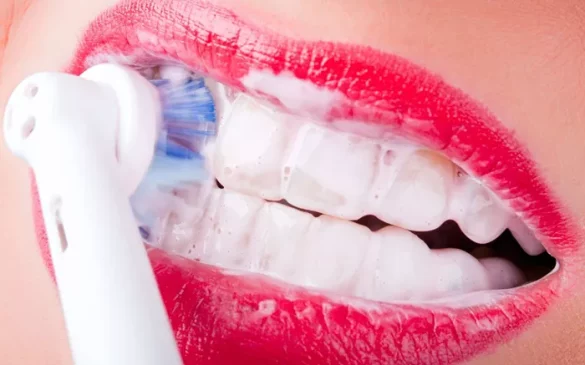
Receding gums occur when the gum tissue surrounding your teeth pulls back or wears away. This exposes more of the tooth or its root. Brushing too hard is a common cause of gum recession. Other factors include poor oral hygiene, genetics, and gum disease. Understanding the cause is crucial for effective treatment.
Signs of Receding Gums
Early signs include sensitive teeth, longer-looking teeth, and visible roots. You may notice slight bleeding during brushing. Pain or discomfort may occur if the recession is severe.
Causes of Gum Recession from Brushing
Brushing with excessive force can wear away gum tissue. Hard-bristled toothbrushes and aggressive brushing techniques increase the risk. Repeated trauma weakens the gums and makes them more prone to infection and sensitivity.
Immediate Steps to Protect Your Gums
If you notice gum recession, act quickly to prevent further damage.
Switch to a Soft-Bristled Toothbrush
Soft-bristled brushes reduce friction and minimize trauma. Use gentle circular motions rather than harsh back-and-forth scrubbing.
Use Gentle Brushing Techniques
Hold the brush at a 45-degree angle to the gum line. Move the brush in small circles. Avoid pressing too hard, which can worsen gum recession.
Choose a Low-Abrasive Toothpaste
Toothpaste with low abrasiveness protects sensitive areas. Some products are formulated specifically for gum health and sensitivity.
Home Remedies for Receding Gums
Alongside proper brushing, home care can help reduce inflammation and protect the gums.
Saltwater Rinse
Rinse with warm saltwater once or twice a day. This can reduce inflammation and kill harmful bacteria. Mix ½ teaspoon of salt in a glass of warm water.
Oil Pulling
Swishing coconut oil or sesame oil for 10–15 minutes may reduce plaque and bacteria. This can support gum health and reduce recession progression.
Aloe Vera Gel
Applying aloe vera gel directly to the gums can soothe irritation. Aloe has anti-inflammatory properties and can help promote healing.
Green Tea
Drinking green tea daily can improve gum health. It contains antioxidants that reduce inflammation and fight bacteria in the mouth.
Lifestyle Changes to Support Gum Health
Healthy habits reinforce professional care and home remedies.
Maintain Proper Oral Hygiene
Brush twice a day gently. Floss daily to remove plaque between teeth. Avoid aggressive scrubbing, which can damage gums.
Quit Smoking
Smoking reduces blood flow to the gums. This slows healing and worsens gum recession.
Healthy Diet
Consume foods rich in vitamin C, calcium, and antioxidants. These nutrients strengthen gum tissue and prevent further recession.
Professional Treatments for Receding Gums
If home remedies are insufficient, dental interventions may be necessary.
Scaling and Root Planing
This deep cleaning removes plaque and tartar below the gum line. It reduces inflammation and prevents further gum loss.
Gum Grafting
In advanced cases, a gum graft may be recommended. Tissue is taken from the roof of the mouth or a donor source and attached to the affected area. This restores the gum line and protects tooth roots.
Pinhole Surgical Technique
A minimally invasive option where small holes are made in the gum tissue and repositioned over exposed roots. Recovery is faster compared to traditional grafting.
Regular Dental Checkups
Routine visits allow early detection and treatment. Dentists can monitor gum recession and provide professional cleaning to prevent progression.
Preventing Gum Recession in the Future
Prevention is always better than treatment. These steps help maintain gum health.
Use the Right Toothbrush and Technique
Soft bristles, gentle pressure, and circular brushing are essential. Electric toothbrushes with pressure sensors can help prevent over-brushing.
Protect Against Teeth Grinding
Bruxism can worsen gum recession. Night guards can reduce trauma from grinding and clenching.
Manage Gum Disease
Prompt treatment of gingivitis and periodontitis prevents further recession. Early intervention stops the disease from damaging supporting tissues.
Monitor Gum Health
Check your gums for changes in color, texture, or sensitivity. Early detection allows faster treatment and better outcomes.
When to See a Dentist
Seek professional care if you notice persistent sensitivity, bleeding, or visible recession. Early treatment improves results and prevents tooth loss.
Signs Indicating Professional Care
- Tooth sensitivity to hot, cold, or sweet foods
- Visible root exposure
- Bleeding or swollen gums
- Loose teeth or shifting tooth alignment
What to Expect During a Dental Visit
Your dentist will examine your gums, measure recession, and evaluate oral hygiene habits. Treatment may include deep cleaning, gum grafting, or recommendations for home care.
Conclusion
Receding gums caused by brushing too hard can be treated with gentle brushing, home remedies, lifestyle changes, and professional care. Early action preserves gum tissue, reduces sensitivity, and prevents tooth loss. Consistent, gentle oral hygiene and regular dental visits are key to maintaining healthy gums.