


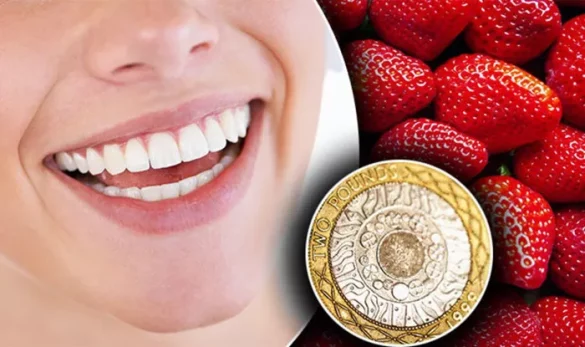
Maintaining a bright, white smile is a common goal for many people. While professional dental treatments can be effective, they are often expensive and may involve chemicals that some individuals prefer to avoid. Natural methods for teeth whitening have gained popularity, and one of the most surprising remedies is strawberries. Strawberries contain natural compounds that may help reduce surface stains on teeth. This article explores how to whiten your teeth with strawberries, including the science behind it, effective methods, precautions, and additional tips for oral health.
The Science Behind Strawberries and Teeth Whitening
Malic Acid: The Natural Stain Remover
Strawberries are rich in malic acid, a natural organic compound found in many fruits. Malic acid can help break down surface stains on teeth caused by coffee, tea, or tobacco. By gently dissolving these stains, malic acid contributes to a brighter smile without causing significant enamel erosion when used properly.
Vitamin C and Oral Health
Strawberries are also high in vitamin C, which is essential for healthy gums. Vitamin C promotes collagen production and helps prevent gum inflammation. Healthy gums contribute to an overall aesthetically pleasing smile, complementing the whitening effects of malic acid.
Antioxidants and Stain Prevention
In addition to malic acid and vitamin C, strawberries contain antioxidants. These compounds combat free radicals that can damage oral tissues and may indirectly help maintain the natural color of teeth by supporting oral health.
How to Use Strawberries for Teeth Whitening
Strawberry and Baking Soda Paste
This is one of the most common home remedies. Baking soda is mildly abrasive and helps remove surface stains. When combined with strawberries, it can enhance the whitening effect.
Steps:
Mash one ripe strawberry into a pulp.
Add half a teaspoon of baking soda and mix well.
- Leave it on for 5 minutes. Avoid exceeding this time to prevent enamel damage.
- Rinse thoroughly with water and brush gently with toothpaste.
Strawberry and Olive Oil Rub
Some people combine strawberries with olive oil for a less abrasive alternative. Olive oil contains compounds that can coat teeth and protect enamel while malic acid from strawberries helps remove stains.
Steps:
Mash one ripe strawberry into a paste.
Add a few drops of olive oil and mix.
Rub the mixture gently on teeth using a toothbrush.
Leave it for 5 minutes, then rinse and brush with fluoride toothpaste.
Strawberry Juice Rinse
For a simpler approach, strawberry juice can be used as a rinse. This method is less intense but still delivers mild whitening effects.
Steps:
Blend one or two strawberries into juice.
Swish the juice around your mouth for 2–3 minutes.
Spit out the juice and rinse with water.
Precautions and Safety Measures
Limit Frequency
Overuse of strawberries for whitening can erode enamel due to malic acid. Use these methods no more than 2–3 times per week.
Combine with Fluoride Toothpaste
After using strawberries, always brush with fluoride toothpaste. This helps strengthen enamel and prevent tooth decay.
Monitor Sensitivity
Some individuals may experience temporary tooth sensitivity. If this occurs, reduce frequency and consult a dentist if it persists.
Avoid Strawberries with Added Sugars
Fresh strawberries are recommended. Avoid jams or preserves, as added sugars can contribute to cavities and negate whitening benefits.
Additional Tips to Enhance Whitening
Maintain Good Oral Hygiene
Regular brushing, flossing, and dental checkups are crucial. Whitening results are enhanced when teeth are clean and plaque-free.
Avoid Staining Foods and Drinks
Minimize consumption of coffee, tea, red wine, and dark sauces. If consumed, rinse your mouth with water immediately afterward.
Consider Professional Advice
Natural methods like strawberries can improve tooth color mildly. For significant discoloration, consult a dentist for safe professional whitening options.
Combine with Other Natural Remedies
Other fruits such as pineapples and apples contain enzymes that can help whiten teeth. Combining methods can increase effectiveness while still being safe.
Scientific Evidence and Limitations
Evidence for Malic Acid
Research has shown that malic acid has a mild stain-removing effect. However, studies indicate that it is less effective than professional whitening treatments. Its main advantage is safety and natural origin.
Limitations of Strawberries
Strawberries can only remove surface stains. Deep discoloration caused by aging, medications, or trauma requires professional care. Results also vary between individuals.
Safety Compared to Chemical Whitening
Unlike peroxide-based products, strawberries are safe for daily consumption and do not pose significant chemical risks.
Overuse may still damage enamel, so moderation is key.
Conclusion
Strawberries offer a natural, safe method for mild teeth whitening. Rich in malic acid, vitamin C, and antioxidants, they help remove surface stains and promote oral health. Methods like strawberry and baking soda paste, olive oil rub, and juice rinses are easy to use at home. To maximize benefits, follow safety precautions, maintain good oral hygiene, and consider professional advice for more serious discoloration. While results may be gradual, regular use can contribute to a brighter, healthier smile without the risks associated with chemical whitening.