


Bad breath, clinically known as halitosis, is a common condition that affects many individuals at some point in their lives. While it can be caused by various factors, one significant concern that often arises is its potential link to tooth decay. This article delves into the relationship between bad breath and tooth decay, exploring the underlying causes, symptoms, prevention strategies, and treatment options.
What is Bad Breath?
Definition and Causes
Bad breath is an unpleasant odor that emanates from the mouth. It can be temporary or chronic, and its causes can vary widely. Common causes of bad breath include:
Poor Oral Hygiene: Failure to brush and floss regularly can lead to the buildup of food particles and plaque, which can cause bad odors.
Food Choices: Certain foods, such as garlic, onions, and spices, can contribute to bad breath.
Dry Mouth: Saliva helps cleanse the mouth and remove food particles. A decrease in saliva production can lead to bad breath.
Smoking and Tobacco Use: Tobacco products can cause bad breath and also contribute to gum disease.
Medical Conditions: Some systemic conditions, such as diabetes, respiratory infections, and gastrointestinal disorders, can also lead to halitosis.
Types of Bad Breath
Transient Bad Breath: Often linked to specific foods or temporary situations (e.g., morning breath).
Chronic Bad Breath: A persistent issue that may indicate underlying health problems, including dental issues.
The Link Between Bad Breath and Tooth Decay
Understanding Tooth Decay
Tooth decay, also known as dental caries, is the destruction of tooth structure caused by acid-producing bacteria. This process typically involves:
Formation of Plaque: Bacteria in the mouth combine with sugars from food to form a sticky film called plaque.
Acid Production: When plaque is not removed, the bacteria produce acids that erode enamel, leading to cavities.
Progression: If left untreated, decay can progress deeper into the tooth, potentially leading to infection and tooth loss.
How Tooth Decay Causes Bad Breath
Bacterial Activity: The bacteria that cause tooth decay also produce volatile sulfur compounds (VSCs), which are responsible for bad breath.
Cavities and Decay: Decayed teeth can harbor food particles and bacteria, creating a breeding ground for odor-causing agents.
Infection: Advanced decay can lead to infection in the tooth or surrounding gums, further contributing to bad breath.
Signs of Tooth Decay
Recognizing the signs of tooth decay is crucial for early intervention. Common signs include:
Visible Holes or Pits: Cavities may appear as dark spots or holes in the teeth.
Tooth Sensitivity: Increased sensitivity to hot, cold, or sweet foods.
Pain: Persistent toothache or discomfort.
Bad Breath: Ongoing halitosis that does not resolve with improved oral hygiene.
Other Dental Issues Linked to Bad Breath
While tooth decay is a primary concern, several other dental issues can contribute to bad breath:
Gum Disease
Gum disease, or periodontal disease, is an infection of the tissues that support the teeth. It can lead to bad breath due to:
Tartar Buildup: Plaque that hardens into tartar can harbor bacteria and cause foul odors.
Gum Inflammation: Infected gums can produce pus, contributing to bad breath.
Oral Infections
Infections in the mouth, such as abscessed teeth or oral thrush, can also lead to halitosis. These infections create an environment rich in bacteria, leading to unpleasant odors.
Dry Mouth (Xerostomia)
A dry mouth can exacerbate bad breath and is often associated with dental issues. Saliva plays a crucial role in neutralizing acids and washing away food particles. Conditions leading to dry mouth include:
Medications: Many medications can reduce saliva production.
Medical Conditions: Conditions like Sj?gren’s syndrome or diabetes can cause dry mouth.
Prevention Strategies for Bad Breath and Tooth Decay
Good Oral Hygiene Practices
Regular Brushing: Brush your teeth at least twice a day using fluoride toothpaste.
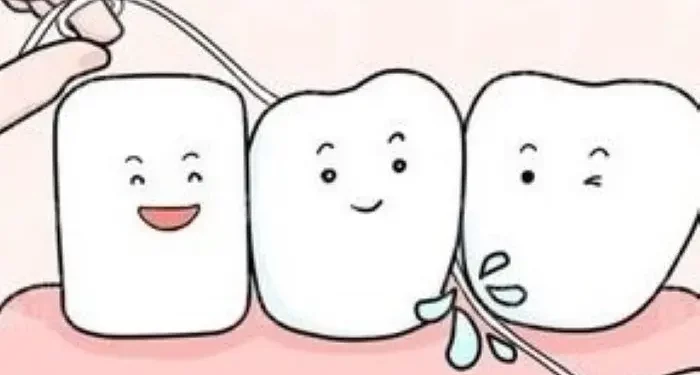
Flossing: Daily flossing helps remove food particles and plaque from between teeth.
Tongue Cleaning: Use a tongue scraper or brush your tongue to remove bacteria that can cause bad breath.
Regular Dental Visits
Regular check-ups with a dentist are vital for maintaining oral health. Dentists can detect early signs of tooth decay and gum disease, allowing for timely intervention.
Healthy Diet
A balanced diet rich in fruits, vegetables, and whole grains can promote oral health. Limit sugary snacks and beverages that contribute to cavity formation.
Hydration
Stay hydrated to promote saliva production, which helps cleanse the mouth and combat bad breath.
Avoid Tobacco Products
Quitting smoking and avoiding tobacco products can significantly improve oral health and reduce bad breath.
Treatment Options for Bad Breath and Tooth Decay
Dental Treatments for Tooth Decay
Fillings: If tooth decay is detected early, fillings can restore the tooth’s structure.
Root Canals: For advanced decay that affects the tooth’s pulp, a root canal may be necessary.
Crowns: Severely decayed teeth may require crowns to restore function and appearance.
Treatment for Bad Breath
Mouthwash: Antimicrobial mouthwashes can help reduce bacteria in the mouth.
Professional Cleaning: Dental cleanings can remove plaque and tartar buildup, improving breath.
Addressing Underlying Conditions: Treating any underlying medical conditions contributing to bad breath is essential.
Conclusion
Bad breath can be an embarrassing and uncomfortable condition, often signaling underlying dental issues such as tooth decay. Understanding the connection between bad breath and oral health is crucial for prevention and treatment. By adopting good oral hygiene practices, maintaining a healthy lifestyle, and seeking regular dental care, individuals can significantly reduce their risk of bad breath and tooth decay. If you experience persistent bad breath, it is essential to consult a dental professional to identify and address the underlying causes effectively.
Related topics:
Can Listerine Reverse Tooth Decay
Can a Tooth with Cavity Be Saved
Is There Any Way to Reverse a Cavity
Tags: bad breathdental carediseaseGum Diseaseperiodontal diseaseteethtoothtooth decay