


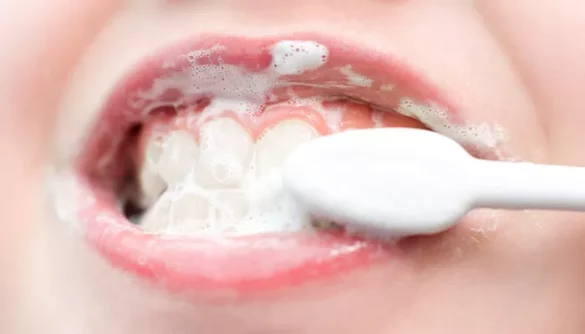
Baking soda, also known as sodium bicarbonate, is a common household product. Many people use it for cleaning, deodorizing, and even cooking. In dentistry, baking soda has been promoted as a home remedy for teeth whitening and oral hygiene. But the question arises: is brushing your teeth with baking soda healthy? This article explores the benefits, risks, and proper use of baking soda for dental care.
How Baking Soda Works on Teeth
Baking soda is mildly abrasive. Its fine particles can help remove surface stains on teeth caused by coffee, tea, or tobacco. It also has an alkaline pH, which can help neutralize acids in the mouth. Acidic environments in the mouth can erode enamel and cause cavities. By balancing the pH, baking soda may reduce the risk of dental decay.
Abrasive Action on Stains
When used on the surface of teeth, baking soda can mechanically scrub away stains. This effect is similar to whitening toothpaste but without strong chemicals. However, abrasive cleaning is double-edged. Over time, aggressive scrubbing can wear down enamel. Therefore, frequency and technique are important.
Neutralizing Oral Acids
Bacteria in dental plaque produce acids after consuming sugars. These acids lower the pH in the mouth and weaken tooth enamel. Baking soda, being alkaline, can neutralize these acids temporarily. This reduces the risk of enamel erosion and cavities. However, it does not replace regular toothpaste that contains fluoride, which strengthens teeth.
Benefits of Using Baking Soda for Teeth
1. Whitening Effect
Baking soda can remove surface stains and make teeth appear whiter. Many people notice a gradual improvement in tooth brightness after consistent use. Unlike chemical whitening treatments, baking soda is gentle and inexpensive.
2. Reducing Plaque
Some studies suggest that brushing with baking soda can help reduce plaque buildup. Plaque is a sticky layer of bacteria on teeth. By controlling plaque, baking soda may reduce the risk of gum disease and tooth decay.
3. Freshening Breath
The alkaline nature of baking soda can help neutralize odor-causing acids in the mouth. This leads to temporary fresher breath. It is often combined with other ingredients, such as peppermint oil, to enhance the effect.
Risks and Limitations of Baking Soda for Oral Care
1. Enamel Erosion
Although baking soda is mild, it is still abrasive. Frequent use or vigorous brushing can wear down tooth enamel. Enamel does not regenerate. Over time, thinning enamel can lead to sensitivity, discoloration, and higher risk of cavities.
2. Gum Irritation
Direct application of baking soda on gums can cause irritation. People with sensitive gums may experience redness, bleeding, or discomfort. To avoid this, it is better to use baking soda in a diluted form or mixed with regular toothpaste.
3. Lack of Fluoride
Baking soda alone does not contain fluoride. Fluoride is essential for strengthening enamel and preventing cavities. Relying solely on baking soda for oral care may increase the risk of dental decay. It is advisable to combine baking soda use with a fluoride toothpaste.
4. Limited Whitening Capability
Baking soda mainly removes surface stains. It does not change the intrinsic color of teeth caused by genetics, medications, or deeper staining. Professional whitening treatments are more effective for significant color changes.
Safe Ways to Use Baking Soda for Brushing
1. Mix with Toothpaste
Combine a small amount of baking soda with fluoride toothpaste. This reduces abrasion while allowing cleaning benefits. Use a soft-bristled toothbrush and gentle circular motions to protect enamel.
2. Frequency of Use
Limit baking soda brushing to 2–3 times per week. Daily use may increase enamel wear. On other days, use a regular fluoride toothpaste for complete oral protection.
3. Avoid Vigorous Scrubbing
Apply light pressure when brushing with baking soda. Excessive force can damage enamel and gums. Brushing for two minutes is sufficient to clean teeth effectively.
4. Rinse Thoroughly
After brushing, rinse the mouth with water to remove baking soda residue. This prevents the abrasive particles from lingering on enamel or irritating soft tissue.
Alternatives to Baking Soda for Whitening
1. Whitening Toothpaste
Fluoride-containing whitening toothpaste is formulated to remove stains safely. These products often include mild abrasives and chemical agents that brighten teeth without significant enamel damage.
2. Professional Cleaning
Regular dental cleanings by a hygienist remove plaque and surface stains safely. Professional cleaning protects enamel and gums while improving oral health.
3. Professional Whitening Treatments
For significant whitening, dentists can provide bleaching treatments. These treatments are controlled, safe, and more effective than home remedies. They also minimize the risk of enamel damage.
Scientific Evidence and Studies
Several studies have examined the effect of baking soda on teeth. Research shows that baking soda toothpaste can reduce plaque, improve breath, and remove surface stains. A study published in the Journal of Clinical Dentistry found that baking soda toothpaste removed stains more effectively than non-baking soda toothpaste. However, the same studies caution that long-term frequent use may increase enamel wear.
Comparisons with Regular Toothpaste
Compared with regular fluoride toothpaste, baking soda toothpaste is equally effective for cleaning teeth. However, regular toothpaste often contains fluoride, which is critical for cavity prevention. Baking soda should not replace regular fluoride toothpaste entirely.
Special Considerations
1. People with Sensitive Teeth
Individuals with sensitive teeth should be cautious. Baking soda’s abrasive nature may exacerbate sensitivity. Using a desensitizing toothpaste with fluoride alongside baking soda is safer.
2. Children
Children should not use baking soda directly. Their enamel is thinner, and they need fluoride for proper dental development. Pediatric toothpaste is recommended for children under 12.
3. Gum Disease or Oral Conditions
People with gum disease, mouth sores, or other oral conditions should consult a dentist before using baking soda. Abrasive cleaning may aggravate these issues.
Conclusion
Brushing your teeth with baking soda can have benefits. It can remove surface stains, neutralize acids, and freshen breath.
However, it is not without risks. Enamel erosion, gum irritation, and lack of fluoride are significant concerns. For safe use, combine baking soda with fluoride toothpaste, limit frequency, and avoid aggressive scrubbing. Baking soda should be a supplement to, not a replacement for, standard oral care routines.