


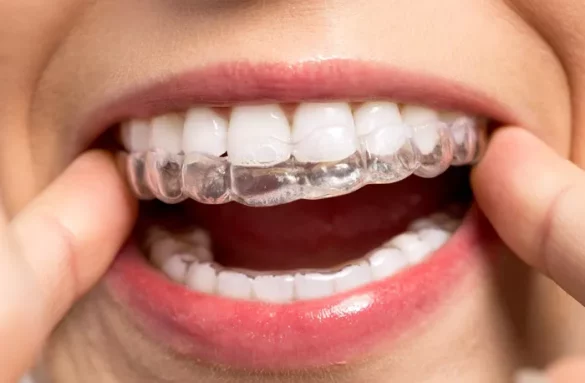
Invisalign is a modern orthodontic treatment designed to straighten teeth using clear, removable aligners. Unlike traditional braces, Invisalign offers a discreet solution for dental alignment. The aligners apply gentle pressure to move teeth gradually into their desired positions. While this process is effective, it can cause discomfort, especially during the first few days of wearing a new set of aligners.
Why Teeth Hurt During Invisalign
Pressure on Teeth and Gums
The primary reason teeth hurt during Invisalign is the pressure applied by the aligners. Each set of aligners is designed to move teeth slightly. When teeth shift, the surrounding ligaments stretch, which can lead to soreness. This pressure is a normal part of the treatment process and indicates that the aligners are working effectively.
Adjustment Period
When you first start Invisalign or switch to a new set of aligners, your teeth and gums need time to adapt. This adjustment period typically lasts a few days. During this time, you may experience mild to moderate discomfort, especially when biting or chewing. This soreness usually decreases as your mouth becomes accustomed to the aligners.
Movement of Teeth
Teeth move within the jawbone gradually. This movement can create tiny gaps between teeth or temporary pressure points. Such changes can cause sensitivity or pain. It is important to understand that this discomfort is temporary and part of the normal tooth movement process.
Common Symptoms Associated with Invisalign Pain
General Tooth Sensitivity
Many patients report increased tooth sensitivity when starting Invisalign. This is often felt as a dull ache or a mild throbbing sensation. Sensitivity may be more pronounced when consuming hot or cold foods and drinks. Over time, this usually diminishes as teeth adjust to the aligners.
Soreness of Gums
The aligners may rub against the gums, especially near the edges. This can cause minor irritation, redness, or tenderness.
Gum soreness is a common side effect and generally improves with regular wear and proper cleaning of the aligners.
Jaw Discomfort
Some patients experience jaw discomfort, especially when the bite changes during treatment. This may feel like mild tension or fatigue in the jaw muscles. Jaw discomfort is often temporary and can be alleviated with gentle jaw exercises or over-the-counter pain relief if recommended by your dentist.
Factors That Influence Pain Levels
Severity of Misalignment
The extent of tooth misalignment affects the level of discomfort. Patients with severe crowding or gaps may experience more noticeable pain as teeth require greater movement. Conversely, minor corrections may cause minimal discomfort.
Frequency of Aligner Changes
Typically, aligners are changed every one to two weeks. Each new set applies different pressures to shift teeth. Some patients find the transition period to be more uncomfortable, while others barely notice any change. Following your dentist’s recommended schedule is essential for both comfort and treatment effectiveness.
Compliance with Wear Schedule
Aligners must be worn for 20–22 hours per day. Skipping hours or inconsistent use can increase discomfort when you finally wear them for longer periods, as teeth have to catch up with the intended movement. Consistent wear can reduce sudden pain and improve overall comfort.
When to Expect Pain Relief
Most patients report that the initial soreness decreases within a few days of starting a new aligner set. Regular wear helps teeth gradually adapt to the pressure, reducing discomfort over time. By the end of the first week, many patients experience minimal pain, although occasional pressure may occur when adjusting to the next aligner.
Ways to Manage Invisalign Pain
Over-the-Counter Pain Relief
Mild pain can often be managed with over-the-counter pain relievers, such as ibuprofen or acetaminophen. Always follow the dosage instructions and consult your dentist if you have any medical conditions or concerns about medication.
Cold or Warm Compress
Applying a cold compress can help reduce inflammation and numb sensitive areas. Alternatively, a warm compress may relax tense jaw muscles. Both methods provide temporary relief and can be applied as needed throughout the day.
Soft Foods and Chewing Techniques
During periods of heightened discomfort, eating soft foods can reduce pressure on teeth. Avoid hard, crunchy, or sticky foods that may exacerbate soreness. Chewing slowly and alternating sides of the mouth can also help minimize discomfort.
Orthodontic Wax for Irritation
If the aligners rub against the gums or cheeks, using orthodontic wax can create a protective barrier. Apply a small piece of wax over areas of irritation to reduce friction and soreness.
Consistent Aligner Wear
Maintaining consistent wear of aligners allows teeth to adjust gradually, reducing pain spikes. Removing aligners too frequently may prolong the discomfort, as teeth are not given continuous pressure to move properly.
When to Contact Your Dentist
While some discomfort is normal, certain symptoms may require professional attention. Contact your dentist if you experience:
- Severe or persistent pain that does not improve with pain relief.
- Signs of infection, such as swelling, pus, or fever.
- Cracked or broken aligners that prevent proper fit.
- Unusual bleeding or gum irritation that worsens over time.
Your dentist can assess the aligners, adjust treatment if needed, and recommend targeted solutions to reduce pain.
Long-Term Outlook
Experiencing pain during Invisalign is normal and usually temporary. Most patients adapt to aligners within a few days, and discomfort decreases with consistent use. By the end of treatment, most individuals report minimal pain and enjoy the benefits of straightened teeth without the aesthetic drawbacks of traditional braces.
Tips for a More Comfortable Invisalign Experience
Start with softer foods for the first few days after changing aligners.
Use pain relief as directed by your dentist to manage initial discomfort.
Apply orthodontic wax to protect sensitive areas of the mouth.
Maintain proper oral hygiene to prevent irritation and infections.
Follow your dentist’s instructions carefully for aligner changes and wear duration.
Conclusion
It is normal for teeth to hurt during Invisalign treatment. This discomfort is primarily due to the pressure needed to move teeth into the correct positions. Understanding why pain occurs, recognizing normal symptoms, and applying management techniques can make the experience more comfortable. Most importantly, consistent communication with your dentist ensures that your treatment progresses safely and effectively while minimizing pain. With patience and proper care, the temporary discomfort of Invisalign is a small price to pay for a healthy, straight smile.