


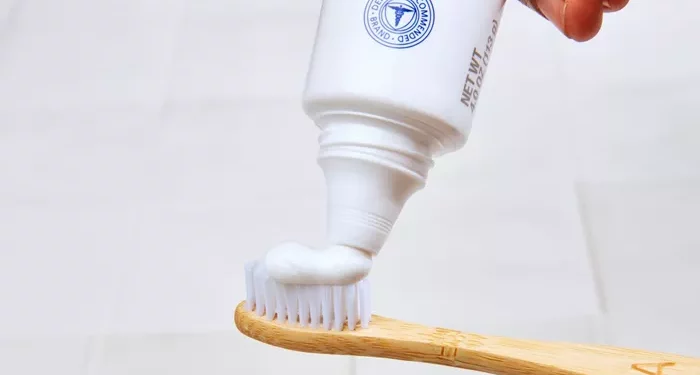
Oral whitening toothpaste has become a popular choice for those looking to achieve a brighter smile at home. With so many options available, it’s easy to be tempted by the promise of whiter teeth in just a few uses. But is oral whitening toothpaste really effective and safe for your teeth and gums?
This article explores the details of whitening toothpaste, its ingredients, benefits, risks, and whether it’s a good choice for your dental care routine.
What is Oral Whitening Toothpaste?
Oral whitening toothpaste is a type of toothpaste specifically designed to remove surface stains from teeth, making them appear whiter. Unlike regular toothpaste, which focuses on general cleaning and oral health, whitening toothpaste contains additional ingredients that target discoloration caused by food, drink, and tobacco.
These toothpastes typically include mild abrasives, chemical agents, and sometimes bleaching agents that help to remove or reduce surface stains over time. They claim to help brighten teeth without the need for professional whitening treatments or expensive procedures.
How Does Whitening Toothpaste Work?
Whitening toothpaste works in two main ways: through abrasion and chemical action. The abrasives in whitening toothpaste help scrub away surface stains on the enamel, such as those caused by coffee, tea, or smoking. This mechanical action is usually gentle enough not to harm the enamel if used correctly.
Some whitening toothpastes also contain chemical agents like hydrogen peroxide or carbamide peroxide, which are whitening agents commonly found in professional teeth-whitening treatments. These agents work by breaking down stains at a deeper level. However, the concentration of these chemicals in toothpaste is much lower than in professional treatments, making it a gradual process.
Benefits of Whitening Toothpaste
1. Convenient and Affordable
One of the biggest advantages of whitening toothpaste is its convenience. It can be easily added to your regular dental care routine, and it’s typically much more affordable than professional whitening treatments. All you need to do is brush your teeth with it like you would with normal toothpaste, and over time, you may start to notice a brighter smile.
2. Gentle on Enamel
Unlike some harsher whitening treatments that can damage the enamel, most whitening toothpaste options are formulated to be gentle enough for daily use. The abrasives in the toothpaste are mild, so they can remove stains without wearing down the enamel. However, it’s still important to use the toothpaste as directed to avoid overuse.
3. Helps Maintain a Whiter Smile
While whitening toothpaste might not provide dramatic results, it can help maintain the brightness of your teeth. If you’ve recently had a professional whitening treatment, incorporating a whitening toothpaste into your routine can help keep your teeth looking their best between treatments.
4. Freshens Breath
Many whitening toothpastes also contain ingredients that help neutralize odors, such as mint or baking soda. This can result in fresher breath along with a brighter smile.
Possible Risks of Using Whitening Toothpaste
While whitening toothpaste offers several benefits, there are some potential risks and side effects to be aware of. Most of these are related to the ingredients in the toothpaste, especially if the toothpaste is overused or not used correctly.
1. Tooth Sensitivity
One of the most common side effects of whitening toothpaste is tooth sensitivity. Some people may experience discomfort or heightened sensitivity to hot or cold foods and drinks. This is usually due to the abrasives or the chemical agents that penetrate the enamel to break down stains. If you experience sensitivity, it may be a sign that you need to reduce the frequency of use or switch to a less abrasive option.
2. Enamel Wear
Overusing whitening toothpaste or using it with excessive pressure can lead to enamel erosion. Enamel is the protective layer on your teeth, and once it’s gone, it can’t be replaced. If you’re brushing too aggressively or using a very abrasive toothpaste, you may risk wearing down the enamel and causing long-term damage to your teeth.
3. Gum Irritation
Some whitening toothpastes contain chemicals or abrasives that may cause irritation to the gums, especially if you have sensitive gums. If you notice redness, swelling, or bleeding in your gums after using whitening toothpaste, it’s best to consult your dentist to determine if the toothpaste is too harsh for your oral health.
4. Not Effective for All Types of Stains
Whitening toothpaste is generally effective for removing surface stains caused by food and drinks, but it’s not as effective for deeper stains that are intrinsic to the tooth structure. For example, stains caused by aging, medications, or trauma may require more intensive treatments, such as professional whitening services.
Who Should Use Whitening Toothpaste?
Whitening toothpaste is ideal for individuals who have mild to moderate surface stains on their teeth. If you’re a regular coffee or tea drinker, or if you smoke, whitening toothpaste can help minimize the buildup of stains over time. It’s also beneficial for people who want to maintain the results of professional whitening treatments or just keep their teeth looking bright and clean.
However, people with sensitive teeth, severe gum issues, or enamel erosion should exercise caution and consult a dentist before using whitening toothpaste. Your dentist can recommend products that are specifically designed for your unique oral health needs.
How to Use Whitening Toothpaste Effectively
To get the best results from whitening toothpaste, it’s important to use it correctly:
- Brush twice a day: Just like regular toothpaste, whitening toothpaste should be used at least twice a day to keep your teeth clean and bright.
- Use gentle pressure: Don’t brush too hard, as this can damage the enamel. Let the toothpaste and brush do the work.
- Limit use if you experience sensitivity: If you notice sensitivity or discomfort, reduce the frequency of use or try a less abrasive formula.
- Combine with good oral hygiene: Brushing with whitening toothpaste should be part of an overall dental care routine that includes flossing, mouthwash, and regular dental checkups.
Conclusion
Whitening toothpaste can be a good option for those who want a brighter smile without undergoing professional treatments. While it offers benefits like convenience, affordability, and gentle stain removal, it’s important to use it correctly to avoid risks like tooth sensitivity or enamel erosion. If you have deeper stains, tooth sensitivity, or other oral health issues, consulting a dentist for professional advice and treatment is always a good idea.
FAQs
1. Can whitening toothpaste damage your teeth?
Whitening toothpaste can potentially damage your teeth if used too aggressively or too frequently. The abrasives can wear down enamel if you brush too hard or use the toothpaste more than recommended. Always follow the instructions and consult your dentist if you experience any issues.
2. How long does it take for whitening toothpaste to show results?
Results from whitening toothpaste can take several weeks to appear. The effectiveness depends on the type of stains and the specific formulation of the toothpaste. Be patient and consistent with your oral care routine to see noticeable improvements.
3. Is it safe to use whitening toothpaste every day?
Yes, most whitening toothpastes are safe to use daily. However, if you experience tooth sensitivity or gum irritation, it may be a good idea to reduce the frequency of use or choose a less abrasive option.
4. Are there any natural alternatives to whitening toothpaste?
Yes, some natural alternatives, such as baking soda or activated charcoal, are believed to help whiten teeth. However, these options may not be as effective as specialized whitening toothpastes and can sometimes be abrasive if not used properly. Always consult your dentist before trying new products for your oral health.