


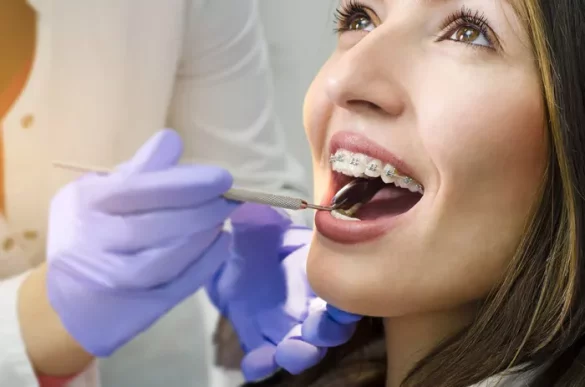
Orthodontics is a field that is often discussed in relation to both dentistry and medical care. Many people wonder if orthodontics is considered medical, or if it falls within the realm of dental care only. This article will examine the relationship between orthodontics and medicine, highlighting its medical aspects, the professionals involved, and the significance of orthodontic treatments for overall health.
What is Orthodontics?
Orthodontics is a specialized branch of dentistry that deals with diagnosing, preventing, and treating dental and facial irregularities. The primary focus of orthodontics is the correction of misaligned teeth and jaws. Orthodontists use various devices such as braces, retainers, and aligners to help patients achieve a proper bite and improve their smile.
The Role of Orthodontists in Healthcare
Orthodontists are dental professionals who receive additional training in the field of orthodontics. After completing dental school, they undergo specialized training for two to three years to become experts in the alignment of teeth and jaws. This extensive education equips them with the knowledge to perform complex procedures that can directly impact a patient’s health and quality of life.
Medical vs. Dental Care
While orthodontics is classified as a branch of dentistry, its scope often overlaps with medical care. Dental care is primarily focused on the health of the teeth and gums, while medical care involves the broader health of the body. Orthodontics, however, often deals with jaw alignment and facial structures, which can have significant medical implications for a patient’s health.
Medical Conditions Addressed by Orthodontics
Orthodontics can play a vital role in treating a variety of medical conditions. These conditions include:
Malocclusion: Misalignment of the teeth and jaws.
Sleep Apnea: Orthodontic treatments can help reposition the jaw to reduce sleep apnea symptoms.
Temporomandibular Joint Disorders (TMJ): Orthodontics can alleviate the strain on the jaw, improving symptoms of TMJ disorders.
Speech and Swallowing Disorders: Orthodontic care can address issues caused by improper bite alignment that affect speech and swallowing.
Is Orthodontics Considered Medical?
The answer to this question depends on how one defines “medical” care. Orthodontics falls within the field of dentistry but has medical applications. It is considered both a dental and medical field due to its focus on improving facial and jaw health, which can significantly impact overall well-being.
Orthodontics and Healthcare
Orthodontic treatments are often seen as necessary for improving a patient’s physical health. In cases such as correcting jaw misalignment, orthodontics can reduce pain, prevent future medical issues, and improve the patient’s ability to speak and eat. Many orthodontic procedures are performed in collaboration with other medical professionals, such as oral surgeons, to address complex health problems.
Orthodontics and Preventative Care
Preventative care is an essential aspect of both medical and dental practices. In orthodontics, early intervention can prevent more severe dental and medical issues later in life. By correcting misaligned teeth and jaws early, orthodontists can help prevent problems with eating, speech, and overall facial health.
When is Orthodontics Medically Necessary?
Orthodontics may be considered medically necessary in certain situations. This typically occurs when a patient’s dental or facial issues impact their overall health. Medical necessity can be determined by factors such as:
- Severe jaw misalignment that causes difficulty with chewing or speaking.
- Breathing problems due to misaligned jaws.
- Severe facial pain linked to jaw or dental issues.
- Preventing further damage to teeth or gums due to misalignment.
How Orthodontics Affects Overall Health
Orthodontics is more than just a cosmetic treatment; it plays an important role in improving a person’s overall health. A well-aligned jaw and teeth can make eating and speaking easier, which improves digestion and communication.
Additionally, orthodontic care can help reduce the risk of dental decay and gum disease by making it easier to clean the teeth properly.
The Connection Between Orthodontics and Medical Health
There is a growing recognition of the connection between dental health and medical health. Misaligned teeth or jaws can lead to long-term health issues such as:
- Jaw Pain: Misalignment can put undue stress on the jaw joints, leading to pain and discomfort.
- Headaches: Poor alignment may contribute to frequent headaches.
- Breathing Issues: Severe malocclusion can contribute to breathing difficulties, including obstructive sleep apnea.
Orthodontics and Insurance Coverage
In many cases, orthodontic treatment is covered by dental insurance, but medical insurance coverage for orthodontics is more complicated. Some insurance policies may cover orthodontic treatments if they are deemed medically necessary. For example, treatments related to jaw misalignment that cause breathing issues or severe pain may be covered under medical insurance.
Determining Medical Necessity for Orthodontics
To determine whether orthodontic care is medically necessary, a healthcare provider may need to assess the patient’s condition. This could involve consultations with an orthodontist, dentist, and sometimes an oral surgeon. The goal is to establish whether the orthodontic treatment is required to treat a medical condition that affects the patient’s health.
Conclusion
Orthodontics is considered both a dental and medical field. While it is classified under dentistry, its impact on a patient’s overall health and well-being places it within the broader medical context. The primary goal of orthodontic treatment is to correct misalignments that affect both the appearance and functionality of the teeth and jaw. Whether it is considered medical or dental, orthodontics plays a crucial role in improving health, preventing future issues, and enhancing the quality of life for many individuals.