


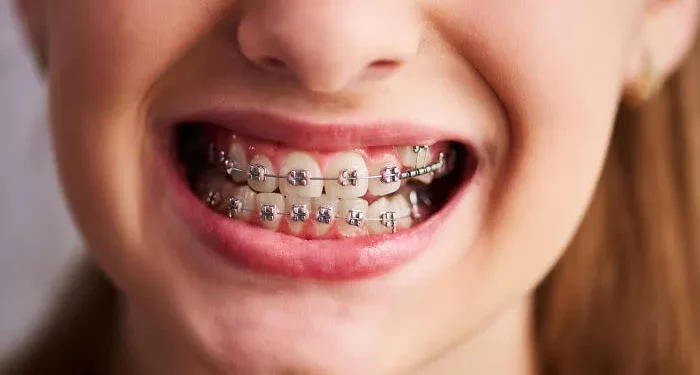
A mother recently took to social media to complain about the discrimination and misunderstanding she faced when booking an orthodontic appointment for her 13-year-old son. During one clinic, while she was attempting to arrange for braces, the dentist refused to proceed with the treatment after the child verbally replied “no,” and requested a return visit in two years. This incident has garnered widespread online attention, focusing on communication and acceptance of neurodiverse individuals.
The mother explained that her son has Attention Deficit Hyperactivity Disorder (ADHD) and is awaiting an autism assessment. Due to his severely crooked teeth, she repeatedly persuaded him to undergo braces and finally secured an appointment after a lengthy National Health Service (NHS) waiting list.
During the appointment, the dentist directly asked the child if he wanted braces. The child replied “no,” which prompted the dentist to refuse treatment and request a return visit in two years.
The mother explained that her son wasn’t rejecting braces per se, but rather simply gave a short, literal response to a direct question. She claimed that her son was ready for treatment, and the issue lay with the communication.
The dentist reportedly took a hard line, not only refusing treatment but also threatening to report the mother to the relevant authorities if the child refused again.
The incident quickly sparked controversy online. Many netizens questioned the dentist’s lack of understanding of patients suspected of having autism or other neurodevelopmental differences, accusing him of unfair discrimination. A minority, however, cited regulations that minors with sufficient judgment have the right to refuse medical treatment. The mother subsequently emailed the clinic to complain.
Experts and advocates point out that neurodiverse individuals often communicate differently than typically developing individuals, and healthcare professionals should possess appropriate communication skills and patience to avoid misunderstandings that could lead to missed opportunities for necessary care.
Research also suggests that individuals with autism are more likely to experience unfair treatment in healthcare settings, requiring systematic training and institutional support to protect their right to medical care.
The incident also raised concerns among some parents, who fear that their children’s treatment could be delayed due to a brief response, potentially missing the optimal time for correction.
Parents are calling on healthcare providers to improve their appointment and assessment processes and adopt more flexible, family-centered communication strategies when dealing with minors, particularly those with special needs.
The mother has expressed her dissatisfaction with the clinic and shared her experience on social media. It remains unknown whether this incident will lead to a formal complaint or investigation, but the case highlights the pressing challenges of balancing patient autonomy and appropriate protections within the public healthcare system, as well as providing more inclusive healthcare for neurodiverse individuals.