


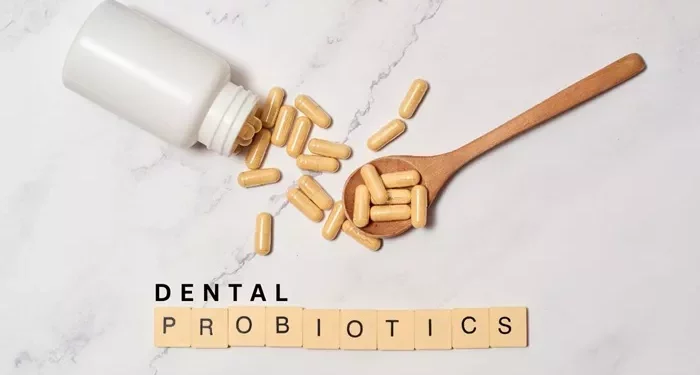
In recent years, oral health has entered a new phase of innovation as attention expands beyond traditional hygiene practices to include the oral microbiome. While brushing, flossing, and professional cleanings remain essential, oral probiotics are emerging as a topic of growing interest among dental experts and consumers worldwide.
Rather than concentrating solely on eliminating bacteria, modern oral health discussions increasingly emphasize balance. Oral probiotics are being explored as a way to support beneficial bacteria in the mouth, reflecting a broader shift toward microbiome-focused wellness across healthcare.
Traditional dental products often rely on strong antibacterial agents that reduce overall microbial activity. Although effective in the short term, these products do not differentiate between harmful and beneficial bacteria. As understanding of the oral microbiome deepens, probiotics are gaining attention as a complementary approach that may help maintain long-term balance.
Dental professionals and researchers suggest that a balanced oral microbiome may contribute to fresher breath, improved gum health, and greater oral comfort over time. This perspective has helped drive interest in oral probiotics as part of preventive oral health strategies rather than as standalone treatments.
Probiotics are well established in digestive health, but their application in dentistry is relatively new. Unlike gut probiotics, oral probiotics are designed to act directly in the mouth, allowing beneficial bacteria to interact with teeth and gums before being swallowed. This targeted delivery has made them a growing subject in oral health research and consumer discussions.
Market analysts note that demand for oral probiotics aligns with wider trends in preventive care and skepticism toward quick-fix solutions. Consumers are increasingly seeking sustainable approaches that support long-term oral health. As a result, manufacturers have introduced probiotic products formulated specifically for dental use, positioning them as additions to existing oral care routines.
Experts emphasize that the rise of oral probiotics does not replace established practices. Brushing, flossing, and regular dental checkups remain the foundation of oral health. Probiotics are instead viewed as supportive tools that may help promote balance when used consistently alongside standard care.
As research into the oral microbiome continues, oral probiotics are expected to remain a prominent topic in dental health discussions. The trend reflects a broader shift in oral health care—from aggressive bacterial control toward strategies that support balance and long-term stability.