


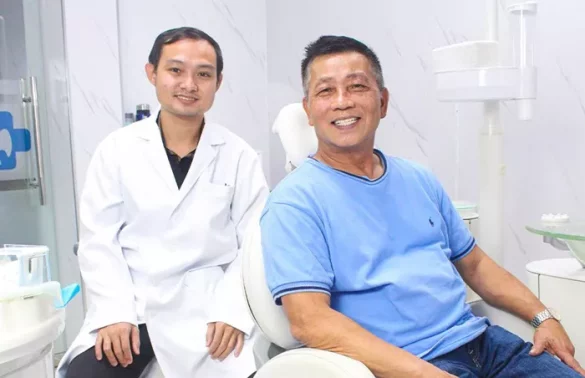
Many overseas Vietnamese are now choosing to have dental procedures in Vietnam. These procedures include implants, porcelain crowns, and cosmetic veneers.
Lac Viet Intech Dental Clinic says this trend is driven by growing confidence in the skills of Vietnamese dentists. Patients also trust the technology used in local clinics. Cost is another major factor. Dental care in Vietnam is often less expensive than in some other countries.
Large dental centers in Vietnam report that they use modern equipment. They also say their clinical teams undergo formal training. Some dentists even receive training overseas.
“Overseas Vietnamese increasingly trust Vietnamese doctors,” said Dr. Nguyen Hoang Duong, an implant specialist at Lac Viet Intech. “They see that the technology, equipment, and procedures at major centers in Vietnam are comparable to those abroad.” Dr. Duong added that cost, convenience, and treatment precision are the main reasons patients choose Vietnam for dental care.
In countries such as the U.S., Australia, or Canada, a single dental implant usually costs between $3,000 and $6,000. In Vietnam, the price for the same implant system, performed by trained specialists, can be much lower.
Many overseas Vietnamese travel home for short visits, often lasting two to three weeks. Some clinics have developed treatment schedules that fit these short trips. These schedules aim to reduce the number of visits and coordinate procedures efficiently.
Precision is another reason patients choose Vietnamese clinics. Many centers now use digital workflows and software to assist with diagnosis, treatment planning, and fabrication of dental restorations.
Dr. Duong explained that some clinics use image-guided systems and surgical guides for implant placement. They also provide customized healing posts and abutments. Porcelain crowns made with multilayer 3D systems offer both aesthetic appeal and long-term durability. Clinics often store patient records digitally and provide remote follow-up for patients who return abroad.
Dr. Duong warned that some marketing claims can be misleading. Ads promising “teeth in six hours” or “teeth in 24 hours” usually refer to temporary prostheses. These prostheses provide immediate aesthetics but limited function. He said the implant bonding process, known as osseointegration, typically takes about 1.5 to 3 months, depending on the implant type.
He also noted that some patients require additional procedures. Bone grafting or sinus lifts may be necessary if there is significant bone loss, active gum disease, or long-term tooth absence. These procedures can extend the overall treatment timeline and may affect patients who have limited travel time.
“For overseas Vietnamese, careful treatment planning is essential,” Dr. Duong said. Patients can send images and scans in advance. Clinics can then provide a preliminary assessment and a detailed treatment plan before their arrival.
He recommended that patients considering treatment during short trips evaluate the clinic’s track record, after-care services, remote support options, and transparency in treatment information.
“With the development of local dental services, many patients see short trips home as an opportunity to receive high-quality dental care at a lower cost,” Dr. Duong said. “They can access advanced treatments while visiting family and friends.”