


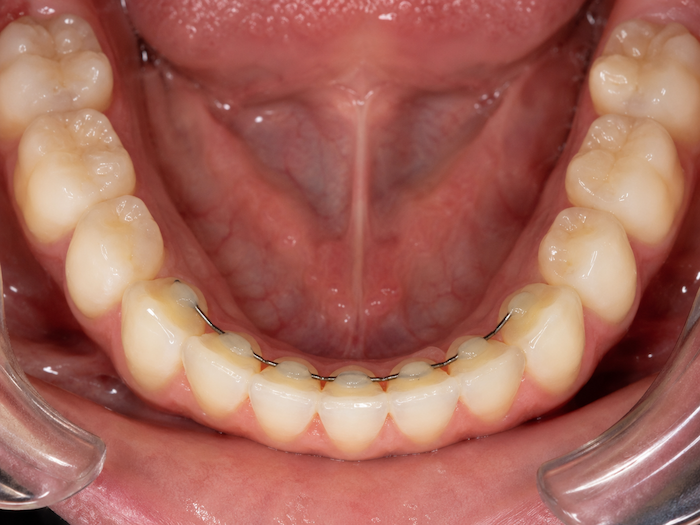
Permanent Retainer Bottom Teeth: Why Retainers Still Matter
Getting braces off feels exciting. However, orthodontic treatment does not truly end that day. Your teeth still need time to settle. That is why permanent retainer bottom teeth care matters so much after braces or clear aligners.
After orthodontic treatment, teeth may try to move back. This process is called relapse. Therefore, retainers help protect your new smile. They hold teeth in better positions while the bone, gums, and muscles adapt.
Many patients ask the same question: “Do I need to wear a retainer forever?” The honest answer is this: many people need long-term retention. However, the exact plan depends on your teeth, bite, age, and treatment history.
This guide explains why retainers matter, what types exist, and how to care for them. Also, it explains common problems, such as tight retainers, broken wires, plaque buildup, and gum irritation.
What Happens After Braces Come Off?
Braces or aligners move teeth through the bone. However, the surrounding tissues do not rebuild overnight. Therefore, teeth remain less stable for a period after treatment.
Several changes continue after braces:
- The periodontal ligament needs time to adapt.
- The jawbone keeps remodeling.
- The gums and soft tissues adjust slowly.
- The bite needs time to settle.
- Oral muscles must learn a new balance.
Because of this, your teeth may shift if you stop wearing retainers too early. In addition, lower front teeth often relapse more easily. They sit in a narrow space. They also face pressure from the tongue, lips, and bite.
So, retainers act like a safety belt. They do not move teeth like braces. Instead, they help keep your corrected smile stable.
Why Do Teeth Move Back After Orthodontic Treatment?
Teeth move back for several reasons. First, the bone around the roots needs time to rebuild. Although your smile may look finished, the foundation still needs support.
Second, the periodontal ligament has memory. It connects each tooth to the bone. After movement, it may pull teeth toward old positions. Therefore, retainers help resist this natural pull.
Third, your bite must adapt. Before treatment, teeth may have worn down in old positions. After correction, the new bite may feel different. As a result, teeth can shift while your bite settles.
Also, muscles can influence tooth position. Your lips, cheeks, and tongue create daily pressure. Over time, these forces may affect alignment.
Common relapse triggers include:
- Skipping retainer wear
- Teeth grinding
- Gum disease
- Wisdom tooth pressure in some cases
- Poor bite stability
- Natural aging
- Lost or broken retainers
Therefore, retention is not optional for most patients. It protects both time and money.
What Is a Permanent Retainer?
A permanent retainer is a thin wire bonded to the back of the teeth. Dentists often place it behind the lower front teeth. Because of this hidden position, other people usually cannot see it.
Despite the name, “permanent” does not mean it lasts forever without care. Instead, it means the patient does not remove it daily. A dentist or orthodontist can remove or repair it if needed.
A permanent retainer usually includes:
- A thin metal wire
- Dental bonding resin
- Placement on the tongue side of the teeth
- A custom fit along the tooth curve
- Regular checkups after placement
Permanent retainers are common for the bottom teeth. This is because lower front teeth often shift after orthodontic treatment. So, a bonded wire gives continuous support.
However, cleaning needs more attention. Food, plaque, and tartar can collect around the wire. Therefore, patients need a better home care routine.
Permanent Retainer Bottom Teeth vs Removable Retainers
Retainers come in two main groups. One group stays fixed in the mouth. The other group can be removed by the patient.
A permanent retainer stays behind the teeth. It works all day and all night. Therefore, it helps patients who may forget removable retainers.
A removable retainer can be taken out. It may look clear and thin. Or it may use acrylic and metal wire. These retainers need daily wear based on the doctor’s plan.
Permanent retainer benefits include:
- No daily forgetting
- Hidden design
- Continuous support
- Good control for the lower front teeth
- Helpful after crowding correction
However, removable retainers also offer benefits:
- Easier cleaning
- Easier replacement
- Better for full-arch support
- Useful for night wear
- Often used with fixed retainers
In many cases, dentists use both. For example, a patient may have a fixed lower retainer and a removable night retainer. This combination can offer stronger long-term protection.
Three Main Types of Orthodontic Retainers
Most patients hear about three common retainers after braces. Each type has clear strengths and limits. Therefore, the best choice depends on your teeth and habits.
The three common types are:
- Clear retainers
- Hawley retainers
- Fixed lingual retainers
Clear retainers look like thin transparent trays. They fit over the teeth. As a result, they look discreet and feel smooth. However, they can crack, warp, or stain.
Hawley retainers use acrylic and metal wire. They are strong and adjustable. However, the front wire can show when you smile. Also, speech may feel strange at first.
Fixed lingual retainers use a bonded wire. Dentists place them behind the teeth. They are invisible from the front. However, they need careful cleaning every day.
So, no retainer is perfect for every patient. A dentist should match the retainer to your relapse risk and lifestyle.
Clear Retainers: Pros and Cons
Clear retainers are popular because they look nearly invisible. They fit closely over the teeth. Therefore, many adults and teens like them after braces or aligners.
Clear retainers offer these benefits:
- Very discreet appearance
- Smooth and comfortable fit
- Good full-arch coverage
- Easy removal for eating
- Easy brushing and flossing
However, clear retainers need careful handling. They can crack if you drop them. Also, hot water can deform them. Coffee, tea, and colored drinks may stain them if you wear them while drinking.
Common clear retainer problems include:
- Yellowing over time
- Cracks or small holes
- Bad odor from poor cleaning
- Warping from heat
- Tight fit after skipped wear
Therefore, clear retainers work best for responsible patients. You must wear them as directed. Also, you should clean them daily and store them safely.
Hawley Retainers: Pros and Cons
Hawley retainers are classic removable retainers. They use an acrylic base and a metal wire. The wire crosses the front teeth, while the acrylic part rests on the palate or tongue side.
Hawley retainers have several advantages:
- Strong structure
- Good durability
- Repairable design
- Slight adjustability
- Better airflow than full plastic trays
However, they also have drawbacks. The metal wire can show when speaking or smiling. Also, the acrylic base may feel bulky at first. Some patients notice temporary speech changes.
Hawley retainers may suit patients who need a durable option. They may also suit patients who need small adjustments after braces.
Still, they require discipline. You must remove them when eating. Also, you must store them in a case. Otherwise, they can break, bend, or get lost.
Therefore, Hawley retainers remain useful. But they may not feel as invisible as clear retainers.
Fixed Lingual Retainers: Pros and Cons
A fixed lingual retainer sits behind the teeth. Dentists often use it on the lower front teeth. It contains a thin wire and dental bonding material.
This retainer has clear advantages:
- It stays hidden.
- It works all the time.
- You do not need to remember daily wear.
- It helps protect the lower front alignment.
- It suits patients with a higher relapse risk.
However, the fixed wire also has limits. It can collect plaque more easily. Also, flossing becomes more difficult. If the wire breaks, teeth may shift before you notice.
Possible problems include:
- Tartar buildup
- Gum inflammation
- Broken bonding
- Loose wire
- Food trapping
- Difficulty flossing
Therefore, fixed retainers need regular dental checks. Also, patients should use floss threaders, interdental brushes, or water flossers. Good cleaning makes a big difference.
How Long Should You Wear Retainers After Braces?
There is no single answer for everyone. However, most patients need strict retainer wear at first. Then they move to a long-term maintenance plan.
A common pattern may look like this:
- First stage: full-time wear for removable retainers
- Second stage: night-only wear
- Long-term stage: several nights per week or nightly
- Fixed retainer stage: continuous wear until removal or replacement
The first year matters a lot. During this time, teeth often have a stronger relapse tendency. Therefore, patients should follow instructions closely.
After that, many patients can reduce wear. However, teeth can still move with age. Because of this, many orthodontists recommend long-term nighttime retention.
If your retainer feels tight, do not ignore it. Tightness may mean your teeth moved slightly. So, contact your dentist if the retainer no longer fits well.
The First Year: The Key Stabilization Period
The first year after braces is often the most important stage. During this time, the bone and gums continue to adapt. Therefore, you should treat retention seriously.
For removable retainers, many dentists recommend full-time wear at first. Usually, patients remove them only for meals, brushing, and flossing. However, your exact schedule may differ.
During this stage, you should:
- Wear the retainer exactly as directed.
- Keep it clean every day.
- Avoid hot water.
- Store it in a hard case.
- Call your dentist if it feels painful.
- Replace it if it cracks or deforms.
For fixed retainers, the wire works all day. Still, you must clean around it well. Also, your dentist should check the bonding during follow-up visits.
Therefore, the first year is not a passive stage. It is time to protect your orthodontic result.
The Second Year: Moving Into Maintenance
After the first year, many patients move into a more flexible plan. For removable retainers, this often means night wear. However, the change should come from your dentist, not from guesswork.
In the second year, your teeth may feel stable. Still, a small movement can happen. Therefore, you should watch the fit of your retainer.
Helpful signs include:
- The retainer fits easily.
- There is no strong pressure.
- Teeth look unchanged.
- Bite feels comfortable.
- No new spaces appear.
- No crowding returns.
However, warning signs also matter. If the retainer feels tight, your teeth may have shifted. If it will not seat fully, do not force it. Instead, book a dental visit.
For permanent retainers, the second year still requires cleaning and checks. The wire may feel normal, but bonding can loosen silently.
So, maintenance does not mean forgetting about retainers.
Long-Term Retention: Do You Need It Forever?
Many patients dislike the word “forever.” However, teeth naturally change throughout life. Aging, chewing forces, gum health, and bite pressure can all affect tooth position.
Therefore, long-term retention makes sense. It does not always mean wearing a removable retainer 24 hours a day. Instead, it often means wearing it at night or several nights per week.
Your long-term plan may depend on:
- Original crowding level
- Tooth size and arch shape
- Bite stability
- Gum and bone health
- Grinding habits
- Age
- Type of retainer
- Doctor’s recommendation
If you have a permanent retainer on bottom teeth, your dentist may keep it for many years. However, it should not be ignored. It needs routine checks.
So, a better question is not “When can I stop?” Instead, ask, “What is the safest long-term plan for my teeth?”
How to Clean Permanent Retainer Bottom Teeth
Cleaning the permanent retainer bottom teeth takes more care than brushing normal teeth. The wire creates small spaces where plaque can collect. Therefore, daily cleaning is essential.
A good routine includes:
- Brush twice a day.
- Angle the toothbrush toward the gumline.
- Clean above and below the wire.
- Use interdental brushes.
- Use floss threaders if needed.
- Consider a water flosser.
- Visit the dentist for a professional cleaning.
Regular floss may not slide easily between teeth with a fixed wire. So, floss threaders can help guide floss under the wire. Interdental brushes can also clean around bonding points.
However, do not use sharp objects. They can damage gums or loosen bonding.
If tartar forms around the wire, home brushing cannot fully remove it. In that case, professional cleaning is needed.
Good cleaning protects your retainer, gums, and breath.
How to Clean Removable Retainers
Removable retainers also need daily cleaning. Otherwise, they can collect bacteria, plaque, and odor. Therefore, rinse them every time you remove them.
Simple care tips include:
- Rinse with cool water.
- Brush gently with a soft toothbrush.
- Use mild soap if advised.
- Avoid hot water.
- Avoid alcohol.
- Avoid harsh chemicals.
- Use retainer cleaning tablets when suitable.
Do not brush clear retainers aggressively with abrasive toothpaste. This can scratch the surface. As a result, bacteria and stains may build up more easily.
Also, never wrap a retainer in tissue. Many patients accidentally throw it away. Instead, place it in a hard case every time.
Do not keep retainers in pockets. They can bend or crack. Also, keep them away from pets. Dogs often chew retainers.
Good care helps retainers last longer and smell fresher.
Signs Your Retainer Needs a Dentist
A retainer should feel secure and comfortable. However, problems can happen. Therefore, you should know when to call a dentist.
Contact your dentist if:
- Your removable retainer feels very tight.
- The retainer no longer fits.
- A clear retainer cracks.
- A Hawley wire bends.
- A fixed retainer wire feels loose.
- Bonding falls off.
- Gums bleed around the wire.
- Bad odor does not improve.
- Teeth look like they are shifting.
Do not try to repair a retainer at home. Glue, pliers, or pressure can make the problem worse. Also, forcing a tight retainer may cause pain or damage.
If you lose a retainer, contact the clinic quickly. Teeth can start shifting sooner than many patients expect.
Early repair is usually easier than retreatment.
Can Teeth Still Move With a Permanent Retainer?
Yes, teeth can still move with a permanent retainer. This may surprise patients. However, a fixed retainer only works if the wire and bonding stay intact.
Teeth may move if:
- The wire breaks.
- The bonding loosens.
- One tooth detaches from the wire.
- Gum disease affects support.
- The bite creates strong pressure.
- The retainer does not cover all risk areas.
Sometimes, the wire looks normal from the front. However, one bonding point may have failed. As a result, one tooth can start moving.
Therefore, regular checks matter. Dentists can inspect the wire and bonding. They can also remove tartar around the retainer.
If you notice a tooth shifting, do not wait. A small change may be easier to correct. A large relapse may require aligners or braces again.
Are Permanent Retainers Good for Bottom Teeth?
Permanent retainers are often useful for bottom teeth. Lower front teeth have a higher risk of crowding after orthodontic treatment. Therefore, many dentists use bonded wires in this area.
They may work well for patients who:
- Had lower front crowding
- Forget removable retainers
- Need long-term support
- Want an invisible option
- Have stable gum health
- Can maintain good cleaning
However, they may not suit everyone. Patients with poor cleaning habits may develop plaque and tartar around the wire. Also, patients with gum disease need treatment and monitoring.
In some cases, a removable retainer may work better. In other cases, a dentist may recommend both fixed and removable retainers.
So, permanent retainers can be excellent. However, they need responsible cleaning and regular dental care.
Do Permanent Retainers Hurt?
Permanent retainers usually do not hurt after placement. At first, you may notice the wire. However, most patients adapt within a few days.
You may feel:
- Mild tongue irritation
- A new texture behind the teeth
- Slight pressure
- Small speech changes at first
These feelings often improve. However, pain is not normal. Sharp edges, broken bonding, or a loose wire can irritate the tongue. Also, swollen gums may indicate plaque buildup.
If the retainer cuts your tongue, call your dentist. If the gums bleed often, schedule a cleaning and exam. If the wire feels loose, avoid pulling it.
A well-made permanent retainer should feel smooth. It should not poke, scrape, or move.
Final Thoughts on Retainers After Braces
A beautiful smile needs protection after orthodontic treatment. Braces or aligners move teeth into better positions. However, retainers help keep them there.
Permanent retainer bottom teeth care is especially important because lower front teeth often shift. A fixed wire can give strong support. However, it also needs careful cleaning and regular checks.
Clear retainers, Hawley retainers, and fixed lingual retainers all have benefits. Still, none of them work well if patients ignore instructions. Therefore, the best retainer is the one that fits your mouth and your habits.
If your retainer feels tight, loose, broken, or uncomfortable, visit your dentist. Also, keep up with professional cleanings.
In the end, retention is not a punishment after braces. Instead, it is the final step that protects your new smile for years.