


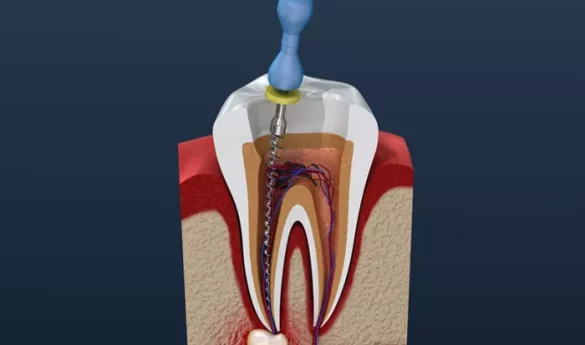
Root canal treatment, often dreaded by patients, may do more than protect oral health. A new study suggests it could also reduce inflammation and improve blood sugar and cholesterol levels.
Researchers at King’s College London tracked 65 patients for two years after they received successful root canals for a common dental infection. They analyzed molecules in the patients’ blood to see how their bodies processed sugar, fat, and other key substances while responding to disease and treatment.
The study found that patients’ blood sugar levels dropped significantly after the procedure. Lower blood sugar is a key factor in reducing the risk of diabetes. The researchers also observed short-term improvements in cholesterol and fatty acid levels, which are closely linked to heart health. Key markers of inflammation, often associated with cardiovascular risk and other chronic conditions, also decreased over time.
“What surprised us most was just how far-reaching the benefits were,” said Dr. Sadia Niazi, senior clinical lecturer in endodontology at King’s College London and lead author of the study, in an interview with Fox News Digital. “We expected improvements in oral health, but the systemic changes were striking.”
Dr. Niazi emphasized that oral health is deeply connected to overall health. “Our findings show that root canal treatment doesn’t just improve oral health. It may also help reduce the risk of serious conditions like diabetes and heart disease,” she said.
Previous research has linked gum disease to higher inflammation in the body and an increased risk of conditions such as diabetes and heart disease. While many studies have shown an association rather than direct cause and effect, experts increasingly recognize that untreated dental infections can affect overall health. However, the connection between root canals and heart or metabolic health has not been widely studied until now.
Researchers explained that bacteria entering the bloodstream from infected teeth can trigger inflammation, heart disease, and increased diabetes risk. Treating these infections with root canals may help reduce these risks. They also suggest that patients’ metabolic markers should be monitored after treatment.
“It is vital that dental professionals recognize the wider impact of root canal infections and advocate for early diagnosis and treatment,” Dr. Niazi said. “There’s nothing better than saving your own teeth — and safeguarding your overall health at the same time.” She added that integrating dental and medical care, with collaboration between dentists and physicians, could help track blood markers and protect patients’ overall health.
The study, funded by the Faculty of Dental Surgery of the Royal College of Surgeons of England, was small and did not include a separate control group. Researchers noted that other factors could have influenced the results and that larger studies are needed to confirm the findings.
Dr. Fatima Khan, a Houston-based dentist and co-founder of Riven Oral Care, said that including a control group would strengthen the findings and help rule out other variables. She noted that long-term studies from Harvard University have found that people with poor oral health, gum disease, or tooth loss tend to have higher risks of heart attack and stroke, though factors such as smoking and access to care make the link inconclusive.