


Many people face the dilemma of whether to remove all their teeth and replace them with dentures. This decision can have significant consequences for oral health, appearance, and quality of life. Dentures may seem like an easy solution for severe dental problems, but the choice requires careful consideration. This article explores the benefits, risks, and alternatives to full tooth extraction and denture replacement.
Understanding Full Mouth Tooth Removal
What It Involves
Full mouth tooth removal, also known as complete extraction, involves removing all natural teeth. This is usually done under local anesthesia, sedation, or general anesthesia. The procedure can be immediate or staged, depending on the patient’s oral condition. After extraction, the gums and bone need time to heal before dentures are fitted.
Reasons People Consider Full Extraction
There are several reasons why individuals may consider removing all their teeth:
- Severe tooth decay affecting multiple teeth.
- Advanced periodontal (gum) disease causing loose teeth.
- Chronic pain or infection that cannot be resolved by other dental treatments.
- Difficulty chewing or speaking due to damaged teeth.
- Desire for a more uniform appearance or ease of cleaning.
What Are Dentures?
Types of Dentures
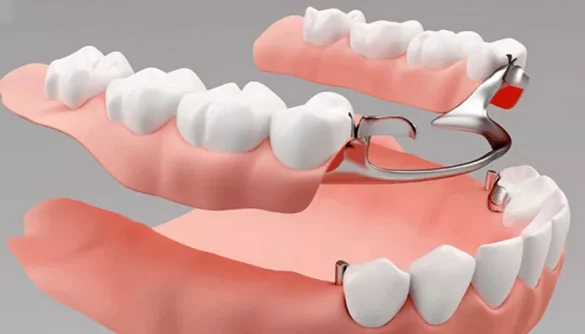
Dentures are removable dental appliances that replace missing teeth. They restore function, appearance, and oral health to some extent. There are two main types:
Complete Dentures: Replace all teeth in the upper or lower jaw. They rely on suction or adhesives for stability.
Partial Dentures: Replace a few missing teeth and attach to remaining natural teeth.
How Dentures Work
Dentures function by providing a platform for chewing, speaking, and supporting facial muscles. They can improve aesthetics and restore confidence in smiling. Properly fitted dentures distribute bite forces evenly and prevent excessive wear on gums.
Benefits of Removing All Teeth and Getting Dentures
Relief from Dental Pain
One of the main benefits of complete tooth extraction is relief from chronic pain caused by decayed or infected teeth.
Dentures can help eliminate ongoing discomfort and improve quality of life.
Improved Oral Hygiene
With dentures, there is no need for complex dental procedures like root canals, crowns, or repeated fillings. Cleaning dentures is simpler than caring for severely damaged teeth, making oral hygiene easier to maintain.
Restored Function and Appearance
Dentures can restore chewing ability, speech, and facial structure. They provide a more uniform appearance, which can improve self-esteem and confidence in social interactions.
Risks and Challenges of Full Tooth Extraction
Bone Loss
When teeth are removed, the jawbone can shrink over time due to lack of stimulation. This can affect denture fit and facial appearance, sometimes leading to a sunken look. Bone loss may also make future dental implants more difficult.
Difficulty Adapting
Some patients experience difficulty adjusting to dentures. They may find speaking and chewing challenging at first. Improperly fitted dentures can cause sores, discomfort, or irritation in the gums.
Reduced Bite Force
Dentures do not provide the same bite force as natural teeth. This can limit the types of foods a person can eat and may reduce nutritional intake if not managed properly.
Psychological Impact
Removing all teeth can affect self-image and emotional well-being. Some individuals may feel self-conscious or anxious about wearing dentures, especially initially.
Alternatives to Full Tooth Extraction
Restorative Dental Treatments
Before considering full extraction, restorative options can be explored:
- Dental Crowns: Protect damaged teeth and restore function.
- Root Canal Therapy: Treat infected teeth and save them.
- Dental Bridges: Replace missing teeth without removing healthy ones.
Periodontal Therapy
Advanced gum disease can often be managed with professional cleaning, scaling, root planing, and medications. This approach can save many teeth and prevent the need for complete dentures.
Dental Implants
Dental implants provide a long-term solution for missing teeth without removing healthy ones. They preserve bone, improve chewing efficiency, and offer a permanent alternative to dentures.
Factors to Consider Before Full Tooth Extraction
Oral Health Status
The condition of your remaining teeth and gums is crucial. If some teeth are salvageable, extraction may not be necessary. A dentist will evaluate bone density, infection, and tooth stability.
Age and General Health
Older adults or those with medical conditions may face higher risks during extraction. Healing and adaptation to dentures can be more challenging in these cases.
Long-Term Maintenance
Dentures require ongoing care, including cleaning, periodic adjustments, and potential replacement. Patients must consider whether they are willing to commit to long-term maintenance.
Cost Considerations
While dentures may seem cost-effective initially, long-term expenses include adjustments, adhesives, replacements, and potential bone grafts if implants are considered later. Preserving natural teeth may sometimes be more economical over time.
Steps After Tooth Extraction
Immediate Post-Extraction Care
After extraction, it is essential to follow dentist instructions for healing. This includes controlling bleeding, managing pain, and preventing infection. Soft foods and oral rinses may be recommended.
Healing Period
The gums and bone need time to heal before dentures are fitted. This period usually lasts several weeks. Temporary dentures may be used during this time to maintain appearance and function.
Denture Fitting and Adjustment
Once healing is complete, permanent dentures are fitted. Adjustments may be necessary to ensure comfort and proper function. Regular follow-up appointments are crucial to prevent complications.
When Full Extraction May Be Recommended
Complete removal of all teeth may be recommended in the following cases:
- Extensive decay affecting most or all teeth.
- Severe periodontal disease with loose teeth.
- Chronic infections that cannot be resolved with other treatments.
- Patients seeking an overall improvement in oral comfort and function.
Making the Decision
Deciding to remove all teeth and get dentures is a personal choice that should involve professional guidance. Patients should:
- Consult a dentist or oral surgeon for a thorough evaluation.
- Consider the long-term effects on oral health, bone, and appearance.
- Explore alternatives such as restorative treatments or implants.
- Assess personal readiness for the lifestyle changes associated with dentures.
Conclusion
Full tooth extraction and dentures can provide relief from pain, improve appearance, and restore function. However, they come with challenges such as bone loss, reduced bite force, and adjustment difficulties. Patients should carefully weigh the benefits and risks and explore alternatives before making a decision. Consulting with a dental professional is essential to ensure the best outcome for oral health and quality of life.