
Why Do Dentists Drill Before Filling
Dental health is a crucial aspect of overall well-being, and understanding the procedures involved in maintaining that health can empower patients. One common procedure that



Dental health is a crucial aspect of overall well-being, and understanding the procedures involved in maintaining that health can empower patients. One common procedure that

Bear Creek Dental Center is enhancing its cosmetic dental offerings with new porcelain veneer options, providing patients with durable, long-lasting solutions for a beautiful smile.
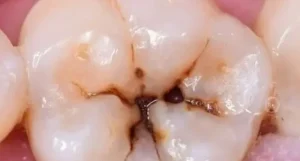
Dental fillings are a common procedure used to restore teeth that have been damaged by decay or trauma. Among the various types of fillings, deep
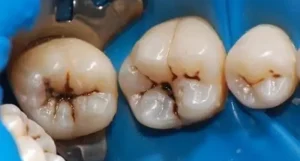
Cavities, also known as dental caries, are one of the most common dental issues affecting people of all ages. When left untreated, cavities can lead
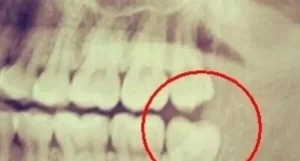
Tooth decay, also known as dental caries, is one of the most common chronic diseases worldwide. It affects individuals of all ages and can lead

Flex Dental Solutions, a leader in dental patient engagement software, has expanded its collaboration with Oregon-based Open Dental, a versatile practice management solution, by becoming

Oil pulling is an ancient practice that has gained popularity in recent years, especially among those seeking natural remedies for oral health. Originating from Ayurvedic
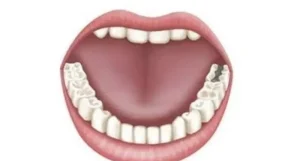
Cavities, also known as dental caries, are one of the most common dental problems worldwide. They occur when the enamel of the tooth is damaged
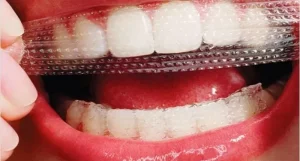
A bright smile can significantly enhance your confidence and overall appearance. Many people are turning to at-home whitening solutions, such as Listerine whitening patches, to

Linda Colla, a 76-year-old woman from Ottery St Mary in Devon, has shared her distressing experience of having to extract three of her own teeth

Pulpdent Corporation proudly introduces ACTIVA BioACTIVE Bulk Flow, the latest innovation in its ACTIVA line of dental restorative materials. This new product sets a new

As a dentist, one of the most frequently asked questions I encounter from patients, especially those who are anxious about undergoing a tooth extraction, is: