


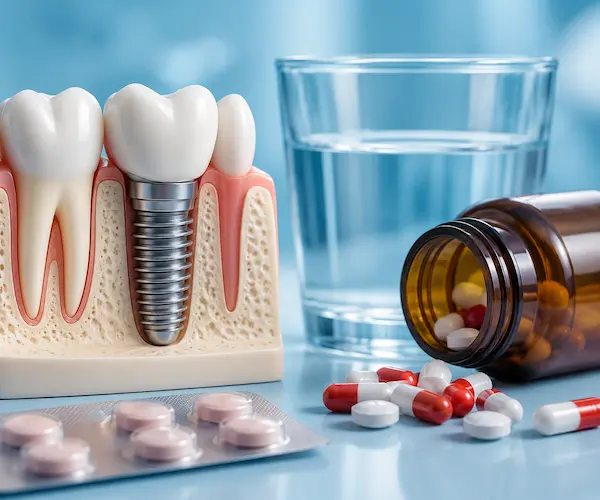
Understanding Blood Thinners and Dental Implants
If you are considering dental implants, you may wonder how blood thinners and dental implants work together. This concern is very common. Many patients take medications like aspirin, warfarin, or newer anticoagulants daily. Therefore, understanding the interaction is essential before any procedure.
Blood thinners are prescribed to prevent clots. They help reduce the risk of stroke and heart attack. However, they also increase bleeding tendency. As a result, dental procedures may seem risky at first glance.
Dental implants, on the other hand, involve minor surgery. A titanium post is placed into the jawbone. Because of this, some bleeding is expected. Yet, with proper planning, the process is usually safe.
Moreover, modern dentistry has improved significantly. Dentists now use techniques that control bleeding effectively. Therefore, patients on blood thinners can still receive implants safely in many cases.
Are Dental Implants Safe While Taking Blood Thinners?
Many patients ask about dental implants safety with blood thinners. The good news is that most people do not need to stop their medication. However, every case should be evaluated individually.
First, our dentists assess your medical history. Then, they may consult your physician. This step ensures that your treatment plan is safe.
In many situations, stopping blood thinners can be more dangerous than continuing them. For example, stopping medication may increase the risk of serious clotting events. Therefore, dentists often prefer to manage bleeding instead of altering medication.
Additionally, local measures can control bleeding effectively. These include:
- Using special sutures
- Applying pressure after surgery
- Using clotting agents
- Prescribing medicated mouth rinses
Because of these methods, dental implants on blood thinners are often successful.
Dental Implant Bleeding Risk Explained
Understanding dental implant bleeding risk is crucial. Although bleeding is a concern, it is usually manageable.
After implant surgery, mild bleeding is normal. It often stops within a few hours. However, patients on blood thinners may experience slightly prolonged bleeding.
Several factors influence bleeding risk:
- Type of blood thinner used
- Dosage of medication
- Overall health condition
- Complexity of the implant procedure
For example, patients taking warfarin may require INR testing. This test measures blood clotting ability. If levels are within a safe range, surgery can proceed.
Furthermore, newer anticoagulants often require less monitoring. However, they still require careful planning.
Importantly, severe bleeding is rare. With proper precautions, risks remain low.
Preparing for Anticoagulants Dental Implant Surgery
Preparation plays a key role in anticoagulants dental implant surgery. A clear plan helps reduce complications.
Before surgery, you should:
- Inform your dentist about all medications
- Share your full medical history
- Follow pre-surgery instructions carefully
Your dentist may also recommend:
- Scheduling surgery early in the day
- Eating a light meal before the procedure
- Avoiding alcohol before surgery
In addition, communication between your dentist and doctor is essential. This ensures that your medication is managed correctly.
After surgery, follow these steps:
- Bite on gauze to control bleeding
- Avoid strenuous activity
- Do not rinse your mouth aggressively
- Take prescribed medications as directed
By following these guidelines, recovery becomes smoother and safer.
Common Medications That Affect Dental Implants
Some medications can influence healing and implant success. Therefore, it is important to understand them. In many cases, these medications are prescribed to manage chronic diseases. As a result, both the condition and the medication must be considered before treatment.
Common blood thinners include:
Warfarin
Aspirin
Clopidogrel
Rivaroxaban
Apixaban
These drugs are often used to treat or prevent serious conditions such as heart disease, atrial fibrillation, deep vein thrombosis, and stroke. Because these diseases increase the risk of dangerous blood clots, blood thinners play a vital role in protecting overall health. However, these drugs affect how blood clots. As a result, they may increase bleeding during surgery.
However, other medications can also interfere with dental implants. These are often linked to underlying medical conditions that impact healing:
Steroids may slow healing and are commonly used for autoimmune diseases like rheumatoid arthritis or lupus
Chemotherapy drugs may affect bone health and are used in cancer treatment
Bisphosphonates may impact jawbone healing and are often prescribed for osteoporosis or bone metastases
Because of these factors, your dentist must evaluate all medications carefully. In addition, they may consider the underlying disease when planning your treatment.
Still, having these medications does not mean implants are impossible. Instead, it means extra care is required. With proper coordination between your dentist and physician, treatment can be both safe and effective.Tips to Reduce Risks and Improve Healing
Although there are risks, you can take steps to improve outcomes. Small actions can make a big difference.
Here are some practical tips:
- Maintain good oral hygiene
- Avoid smoking before and after surgery
- Follow your dentist’s instructions closely
- Eat soft foods during recovery
- Stay hydrated
Additionally, you should attend follow-up appointments. These visits help your dentist monitor healing.
If you notice unusual bleeding or swelling, contact your dentist immediately. Early action can prevent complications.
Furthermore, using ice packs can reduce swelling. Rest is also important for healing.
By taking these steps, you can improve the success of blood thinners and dental implants procedures.
Frequently Asked Questions (FAQ)
Can you have dental implants if you are on blood thinners?
Yes, in most cases you can. Dentists usually manage bleeding instead of stopping medication. However, each case must be evaluated individually.
What medications interfere with dental implants?
Blood thinners, steroids, chemotherapy drugs, and bisphosphonates may affect healing. Therefore, always inform your dentist about all medications.
Can I go to the dentist if on blood thinners?
Yes, routine dental visits are safe. In fact, regular check-ups are important for oral health. Just inform your dentist about your medication.
How long should you stop blood thinners before tooth extraction?
In many cases, you do not need to stop them. However, this depends on your condition and medication type. Always follow your doctor’s advice.
Final Thoughts on Blood Thinners and Dental Implants
In conclusion, blood thinners and dental implants can work together safely with proper planning. While there is some dental implant bleeding risk, it is usually manageable.
Modern techniques allow dentists to perform procedures safely. Moreover, stopping medication is often unnecessary and sometimes risky.
If you are considering dental implants on blood thinners, consult both your dentist and physician. This ensures the safest approach.
Ultimately, informed decisions lead to better outcomes. With the right care, you can achieve a healthy and confident smile.