


Introduction
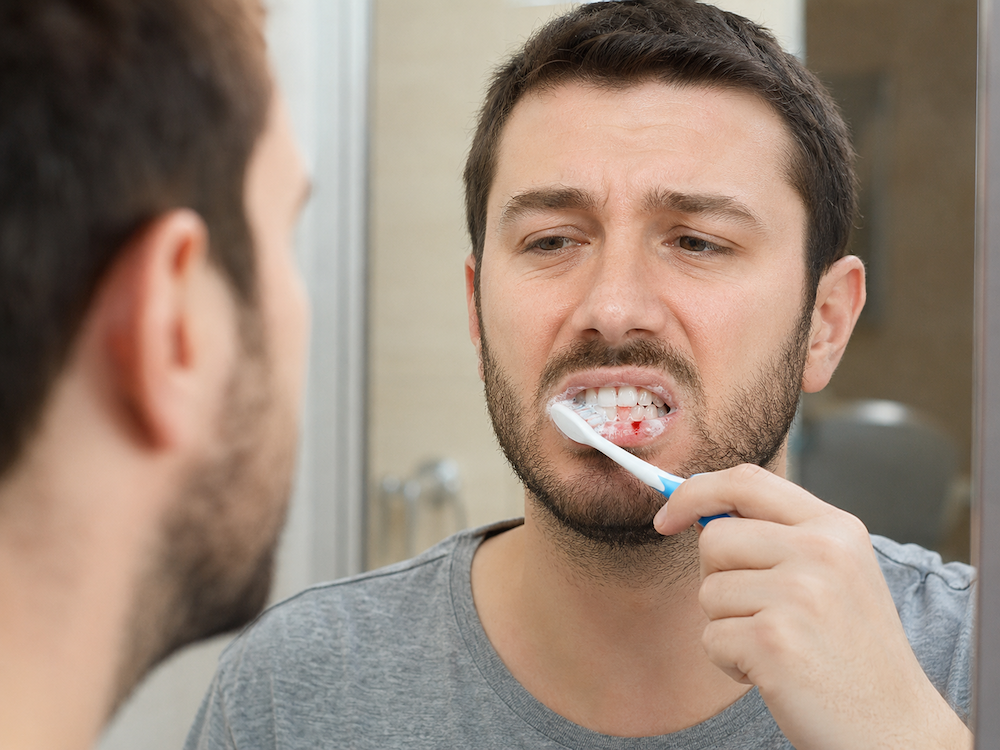
Bleeding gums when cleaning teeth can feel alarming. However, it is also very common. Many people notice pink saliva after brushing, flossing, or a professional dental cleaning. At first, they may blame the toothbrush. Yet, the real cause often comes from irritated gum tissue.
In many cases, gum bleeding points to plaque buildup and early gum inflammation. This condition is called gingivitis. Fortunately, gingivitis can often improve with better oral care and professional cleaning. However, if someone ignores the bleeding, the problem may progress.
Also, bleeding does not always mean a serious disease. Sometimes, new flossing habits or brushing too hard can cause mild bleeding. Still, healthy gums should not bleed often. Therefore, repeated bleeding deserves attention.
This article explains why gums bleed, when it may be serious, and how to reduce the problem safely.
Why Gums Bleed During Cleaning
Gums usually bleed because they are inflamed, irritated, or injured. Most often, plaque is the main trigger. Plaque is a sticky film of bacteria that forms on teeth. If it stays near the gumline, it can irritate the gums.
Over time, plaque can harden into tartar. Unlike soft plaque, tartar cannot come off with normal brushing. A dentist or hygienist needs to remove it with professional tools. The American Dental Association explains that tartar can make brushing and cleaning between teeth harder. It can also make gum tissue swollen or more likely to bleed.
Common reasons include:
- Plaque buildup near the gumline
- Tartar around teeth
- Gingivitis
- Brushing too hard
- Flossing with poor technique
- New flossing routine
- Pregnancy-related gum changes
- Certain medicines, such as blood thinners
So, bleeding is not random. It usually means the gums need gentler care, better cleaning, or a dental check.
Is Gum Bleeding Always Serious?
Gum bleeding is not always an emergency. However, it is not something to ignore. Healthy gums usually look firm and fit closely around teeth. They should not bleed easily during daily brushing.
Mayo Clinic lists bleeding during brushing or flossing as a common symptom of gingivitis. Other symptoms include swollen gums, tender gums, red gums, and bad breath.
In simple terms, occasional light bleeding may happen. For example, it may occur when someone starts flossing after a long break. It may also happen after a deep dental cleaning. However, bleeding that keeps returning suggests ongoing inflammation.
You should take gum bleeding seriously if you notice:
- Bleeding every day
- Swollen or puffy gums
- Bad breath
- Gum tenderness
- Receding gums
- Loose teeth
- Pain when chewing
- Pus near the gums
Therefore, gum bleeding is a warning sign. It may be mild now, but it can become worse without care.
Gingivitis: The Most Common Cause
Gingivitis is the early stage of gum disease. It happens when plaque irritates the gum tissue. The gums may become red, swollen, tender, and easy to bleed. The National Institute of Dental and Craniofacial Research explains that gum disease often starts with swollen, red, and bleeding gums. It can later affect the bone around teeth if it goes untreated.
The good news is that gingivitis can often improve. However, patients must remove plaque daily. They also need professional cleaning if tartar has formed.
Typical signs of gingivitis include:
- Bleeding when brushing
- Bleeding when flossing
- Puffy gum edges
- Red or darker gum color
- Mild gum soreness
- Bad breath
- Plaque or tartar buildup
Also, gingivitis may not cause strong pain. This is why many patients delay treatment. However, bleeding itself is already a sign that the gums need help.
When Plaque Turns Into Tartar
Plaque is soft at first. Therefore, daily brushing and flossing can remove much of it. However, if plaque stays too long, minerals in saliva can harden it into tartar. This creates a rough surface near the gumline.
Tartar causes several problems:
- It traps more plaque
- It irritates the gums
- It makes cleaning harder
- It can worsen inflammation
- It may lead to deeper gum disease
Once tartar forms, home care cannot remove it fully. A dental cleaning becomes necessary. MouthHealthy, the ADA’s patient education site, notes that only a dentist can remove tartar once it forms. Daily flossing can help prevent plaque buildup before it hardens.
Therefore, bleeding during cleaning may mean the gums are reacting to plaque or tartar. Professional cleaning can remove the irritants. Then, daily care can help the gums recover.
Could Brushing Too Hard Cause Bleeding?
Yes, brushing too hard can make gums bleed. Some people think stronger brushing means cleaner teeth. However, aggressive brushing can damage gums and enamel. It may also cause gum recession over time.
Hard-bristled toothbrushes can worsen the problem. So, most patients should use a soft-bristled toothbrush. They should also use gentle pressure. The goal is to clean the gumline, not scrub it like a floor.
Helpful brushing tips include:
- Use a soft toothbrush
- Brush for two minutes
- Hold the brush gently
- Angle the bristles toward the gumline
- Use small circular motions
- Avoid sawing back and forth
- Replace the brush every three months
Also, electric toothbrushes can help some patients. Many models alert users when they press too hard. However, technique still matters. A dentist or hygienist can show the correct method.
Can Flossing Make Gums Bleed?
Flossing can make gums bleed at first, especially if someone has not flossed regularly. However, this does not mean they should stop. In fact, stopping flossing can let plaque remain between teeth.
MouthHealthy explains that gums may bleed when a person starts a new flossing routine. This bleeding often improves after about a week. However, ongoing bleeding may point to gingivitis or another issue.
Good flossing technique matters. Floss should slide gently under the gumline. It should hug the side of each tooth. It should not snap into the gums.
Better options may include:
- Traditional floss
- Floss picks
- Interdental brushes
- Water flossers
- Soft picks
However, different mouths need different tools. For example, interdental brushes may work better for larger spaces. Meanwhile, floss may suit tight contacts. A dental professional can recommend the best choice.
Bleeding After Professional Dental Cleaning
Some gum bleeding after a dental cleaning can happen. This is more likely if the gums are already inflamed. During cleaning, the hygienist removes plaque and tartar from areas that daily brushing may miss. As these areas get cleaned, irritated gums may bleed.
This does not mean the cleaning harmed the gums. Rather, it often shows that the gums were inflamed before the visit. After cleaning, the gums usually begin to heal if the patient keeps the mouth clean.
Bleeding may happen after:
- Routine cleaning
- Deep cleaning
- Scaling and root planing
- Tartar removal near the gumline
- Cleaning around crowded teeth
However, heavy or long-lasting bleeding is different. Patients should contact the clinic if bleeding does not slow down, feels unusual, or comes with swelling and pain.
Also, patients should continue gentle brushing after cleaning. Avoiding the area can slow healing.
Bleeding Gums and Periodontitis
Gingivitis affects the gum tissue. Periodontitis affects deeper support structures. If gum inflammation continues, it can damage the bone and tissues that hold teeth in place. This can lead to gum pockets, loose teeth, and tooth loss.
Mayo Clinic notes that periodontitis symptoms can include gums that bleed easily. It also explains that plaque can cause gingivitis, the mildest form of gum disease.
Possible signs of periodontitis include:
- Bleeding gums
- Gum recession
- Loose teeth
- Bad breath
- Pus around teeth
- Pain when chewing
- New spaces between teeth
- A change in bite
Therefore, patients should not wait until teeth feel loose. Gum disease can progress quietly. Regular dental visits help detect it earlier.
Treatment may involve professional cleaning, deep cleaning, improved home care, and follow-up visits. In more advanced cases, periodontal therapy may be needed.
Other Causes of Bleeding Gums
Plaque and gingivitis are common causes. However, they are not the only causes. Other factors can make gums bleed more easily.
Possible causes include:
- Brushing too hard
- Poor flossing technique
- Vitamin deficiency
- Pregnancy gingivitis
- Diabetes
- Smoking or vaping
- Dry mouth
- Blood-thinning medicines
- Certain blood disorders
- Ill-fitting dental appliances
Mayo Clinic explains that some diseases, such as diabetes and HIV/AIDS, can lower the body’s ability to fight infection. This can make oral health problems worse.
Therefore, patients should tell their dentist about their medical history and medications. This helps the dental team understand the bleeding risk. It also helps them choose safer treatment.
If bleeding is heavy, sudden, or unexplained, a medical check may also be necessary.
What Healthy Gums Should Look Like
Healthy gums do not always look the same in every person. Gum color can vary by natural skin tone. However, healthy gums usually share several features. They look firm, fit tightly around teeth, and do not bleed easily.
Healthy gums often have:
- Firm texture
- Tight shape around teeth
- No regular bleeding
- No swelling
- No pus
- No strong tenderness
- Fresh breath
Inflamed gums may look different. They may seem swollen, shiny, red, darker, or soft. They may bleed with light brushing. Also, they may feel sore when touched.
Therefore, patients should look for change. A person knows their own mouth best. If the gums suddenly bleed more than before, something has changed.
Also, healthy gums need maintenance. Brushing alone may not clean between teeth well. So, interdental cleaning remains important.
How to Stop Bleeding Gums at Home
Home care can improve mild gum bleeding. However, it works best when the cause is early inflammation. If tartar has already formed, professional cleaning is still needed.
Helpful steps include:
- Brush twice daily
- Clean between teeth once daily
- Use fluoride toothpaste
- Choose a soft toothbrush
- Brush gently along the gumline
- Rinse after meals with water
- Reduce sugary snacks
- Stop smoking if possible
- Drink enough water
- Keep dental appointments
Also, do not stop brushing because the gums bleed. This can make plaque build up faster. Instead, clean gently and consistently.
Some patients may benefit from an antimicrobial mouthwash. However, mouthwash cannot replace brushing, flossing, or dental cleaning. If bleeding lasts more than one to two weeks, book a dental visit.
What a Dentist May Do
A dentist or hygienist will first check the gums, teeth, plaque, and tartar. They may also measure gum pockets. These measurements show how healthy the gum attachment is.
A dental visit may include:
- Gum examination
- Plaque and tartar check
- Periodontal probing
- Dental X-rays if needed
- Professional cleaning
- Oral hygiene instruction
- Deep cleaning if pockets exist
- Follow-up care plan
If the bleeding comes from gingivitis, cleaning and better home care may help. If periodontitis exists, treatment may need more steps. The dentist may suggest scaling and root planing. This deeper cleaning removes buildup below the gumline.
Also, the dentist may review medical causes. For example, they may ask about diabetes, pregnancy, smoking, and medications.
When to See a Dentist Quickly
Some bleeding gum problems need faster attention. Do not wait months if symptoms are strong or getting worse. Early treatment can prevent more complex problems later.
See a dentist quickly if you have:
- Bleeding that continues daily
- Swollen gums
- Gum pain
- Bad breath that does not improve
- Loose teeth
- Pus near the gums
- Gum recession
- Pain while chewing
- Bleeding after every brushing
- No improvement after better home care
Also, seek urgent help if bleeding seems heavy or unusual. This matters more if you also bruise easily or take blood thinners.
Dental bleeding can have simple causes. However, repeated bleeding should never become “normal” in your mind. It is better to check early than wait for damage.
How to Prevent Bleeding Gums
Prevention starts with daily plaque control. Plaque forms every day. Therefore, oral care must happen every day too. Skipping cleaning allows bacteria to collect near the gums.
A good routine includes:
- Brush morning and night
- Clean between teeth daily
- Use proper technique
- Replace old toothbrushes
- Limit frequent sugar intake
- Drink water often
- Avoid tobacco
- Visit the dentist regularly
Also, professional cleanings matter. They remove tartar that home tools cannot remove. They also help patients learn better cleaning techniques.
Diet can also support gum health. Foods rich in vitamin C and protein help tissue repair. However, diet alone cannot remove tartar or treat active gum disease.
Therefore, prevention works best when home care and dental care work together.
FAQ
Should my gums bleed during a cleaning?
A little bleeding can happen if your gums are inflamed. However, healthy gums should not bleed easily. If bleeding happens often, ask your dentist to check for gingivitis or tartar buildup.
Should I be worried if my gums bleed when I brush my teeth?
Yes, you should pay attention. It may come from brushing too hard. However, it can also signal gingivitis. If it continues for more than one to two weeks, book a dental visit.
Should I keep getting hygienist appointments if my gums keep bleeding?
Yes. Hygienist appointments help remove plaque and tartar. They also help your gums heal. However, you may need a deeper gum evaluation if bleeding continues.
Will a bleeding gum heal on its own?
Sometimes, mild bleeding improves with better brushing and flossing. However, bleeding from tartar or gum disease usually needs professional care. Do not ignore repeated bleeding.
Summarize
Bleeding gums when cleaning teeth may seem minor, but it often tells you something important. It can happen because of plaque, tartar, gingivitis, brushing trauma, or a new flossing habit. However, repeated bleeding is not normal.
Fortunately, many cases improve with better home care and professional cleaning. Brush gently, clean between the teeth, and use a soft toothbrush. Also, keep regular dental visits. If tartar has formed, only a dental professional can remove it.
Most importantly, do not stop cleaning because your gums bleed. Instead, clean carefully and find the cause. If bleeding lasts, worsens, or comes with swelling, bad breath, gum recession, or loose teeth, see a dentist.
In short, bleeding gums when cleaning teeth can be an early warning sign. Treat it early, and you can often protect your gums, teeth, and smile.