


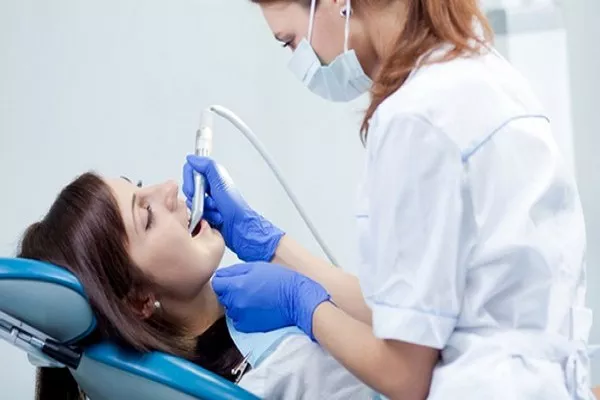
In the world of dentistry, orthodontics care plays a pivotal role in enhancing oral health and creating confident smiles. From braces to innovative treatments, this comprehensive guide delves into the nuances of orthodontics care, shedding light on the importance of teeth alignment and the various methods available to achieve it.
1. The Fundamentals of Orthodontics Care
Orthodontics care, at its core, is a specialized branch of dentistry dedicated to diagnosing, preventing, and correcting malpositioned teeth and jaws. This encompasses a range of issues, from overcrowded teeth to misaligned bites, all of which can have a significant impact on oral health. The fundamental goal of orthodontic care is to enhance both the aesthetic and functional aspects of a patient’s smile.
1.1 Importance of Proper Teeth Alignment
Proper teeth alignment is not merely about achieving a visually appealing smile; it plays a crucial role in overall oral health. Misaligned teeth can lead to a myriad of issues, including difficulty in cleaning between teeth, increased risk of decay and gum disease, and even problems with speech and chewing.
1.2 Early Intervention for Optimal Results
Orthodontic care often begins in childhood, as early intervention can yield more effective and lasting results. The American Association of Orthodontists recommends that children have their first orthodontic evaluation by the age of seven. Early detection allows orthodontists to identify potential issues and implement preventive measures, reducing the complexity of treatment later on.
2. Braces: The Time-Tested Solution
When it comes to orthodontic treatments, braces remain a time-tested and highly effective solution for correcting misaligned teeth and bites. While the concept of braces may conjure images of traditional metal brackets and wires, modern advancements have introduced various options to suit different preferences and lifestyles.
2.1 Traditional Braces: A Reliable Choice
Traditional metal braces are still widely used, thanks to their reliability and versatility. They consist of metal brackets attached to the teeth and connected by wires, gradually guiding the teeth into their proper positions. The continuous evolution of materials and techniques has made traditional braces more comfortable and efficient than ever before.
2.2 Invisalign: A Discreet Alternative
For those seeking a more discreet option, Invisalign has emerged as a popular choice. This innovative system utilizes clear, custom-made aligners to gently shift teeth into alignment. Invisalign offers a level of flexibility and convenience that traditional braces may not provide, as the aligners are removable for eating and oral hygiene.
3. Beyond Aesthetics: The Health Benefits of Orthodontic Care
While achieving a straight, beautiful smile is a significant outcome of orthodontic care, the health benefits extend far beyond aesthetics. Properly aligned teeth contribute to improved oral hygiene, reducing the risk of various dental issues and promoting overall well-being.
3.1 Reduced Risk of Gum Disease and Tooth Decay
Aligned teeth are easier to clean and maintain, reducing the likelihood of plaque accumulation and bacterial growth. This, in turn, lowers the risk of gum disease and tooth decay, safeguarding the longevity of natural teeth.
3.2 Enhanced Jaw Function and Comfort
Orthodontic care aims not only to align teeth but also to correct bite issues. A well-aligned bite ensures proper jaw function, reducing the likelihood of temporomandibular joint (TMJ) disorders and associated discomfort such as jaw pain and headaches.
4. The Role of Technology in Orthodontics
Advancements in technology have significantly influenced the field of orthodontics, revolutionizing diagnostic and treatment processes. From 3D imaging to computer-aided design, these technological innovations contribute to more accurate assessments and tailored treatment plans.
4.1 3D Imaging for Precision Diagnosis
Traditional X-rays have given way to 3D imaging technologies like cone-beam computed tomography (CBCT), allowing orthodontists to create detailed, three-dimensional models of a patient’s teeth and jaws. This enhanced diagnostic capability enables more precise treatment planning and better outcomes.
4.2 Computer-Aided Design (CAD) in Treatment Planning
Computer-aided design has become integral to the orthodontic treatment process. Orthodontists use CAD systems to design custom treatment plans, allowing for a more personalized approach to each patient’s unique dental needs. This level of customization enhances the efficiency and effectiveness of orthodontic care.
5. Orthodontics Care and Patient Experience
The journey through orthodontic treatment involves more than just physical changes; it also significantly impacts the patient’s experience. Creating a positive and supportive environment is crucial for ensuring patient satisfaction and successful outcomes.
5.1 Empowering Patients through Education
Orthodontists play a vital role in empowering patients through education. Clear communication about treatment processes, expectations, and maintenance ensures that patients are actively engaged in their orthodontic journey, leading to better compliance and overall satisfaction.
5.2 Supportive Orthodontic Communities
The rise of online communities and support groups focused on orthodontic care has created spaces where individuals can share experiences, advice, and encouragement. These communities contribute to a sense of camaraderie among patients, fostering a positive outlook on the orthodontic journey.
In conclusion, orthodontics care goes beyond the quest for a perfect smile; it is a crucial aspect of overall oral health. Whether opting for traditional braces or embracing innovative solutions like Invisalign, individuals investing in orthodontic care are not only enhancing their aesthetics but also reaping the long-term health benefits. As technology continues to advance, the field of orthodontics evolves, promising even more precise and personalized solutions for individuals seeking to transform their smiles and oral well-being.
Related Links:
How does invisible aligners work?
How to fix overbite teeth at home?
Why do my teeth click when i push on them?
Tags: diseaseGum Diseasemisaligned teethorthodonticorthodontic careorthodontic treatmentorthodonticsteethtoothtooth decay