


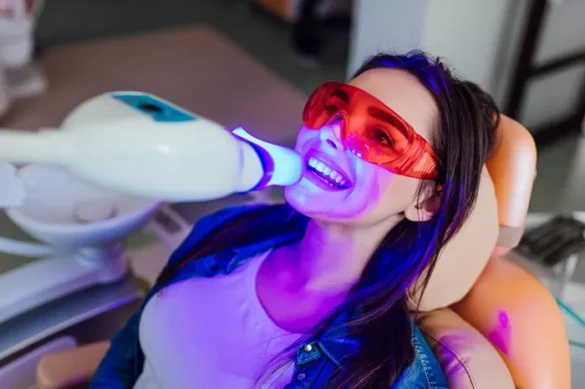
Cold light tooth whitening is a modern dental procedure designed to improve the color of teeth safely and efficiently. Unlike traditional whitening methods, it uses a specialized light source combined with a whitening gel to accelerate the whitening process. Patients often seek this treatment to achieve brighter smiles with minimal discomfort. This article explores the advantages, procedure, safety, and overall effectiveness of cold light tooth whitening.
Understanding the Cold Light Whitening Procedure
The cold light tooth whitening process begins with a thorough dental examination to ensure that teeth and gums are healthy. A whitening gel containing hydrogen peroxide or carbamide peroxide is applied to the teeth. The cold light device emits a specific wavelength that activates the gel, accelerating the breakdown of stains and discoloration. The process is non-invasive and typically lasts between 30 and 60 minutes per session.
Step-by-Step Process
- Initial dental check-up to assess tooth health and identify gum disease or sensitivity issues.
- Cleaning and polishing of teeth to remove surface debris.
- Application of a protective barrier to gums and soft tissues.
- Application of whitening gel to the teeth.
- Exposure of teeth to the cold light device to activate the whitening gel.
- Rinsing and post-treatment assessment to ensure optimal results.
Key Advantages of Cold Light Tooth Whitening
Cold light tooth whitening offers several advantages compared to traditional whitening techniques. The benefits make it an increasingly popular choice among patients seeking professional dental whitening.
1. Faster Whitening Results
One of the primary advantages of cold light tooth whitening is the speed of results. The light accelerates the chemical reaction of the whitening gel, allowing patients to see noticeable changes after a single session. In contrast, traditional whitening treatments may take several weeks to show significant improvement.
2. Reduced Tooth Sensitivity
Many patients experience sensitive teeth after traditional whitening procedures. Cold light whitening minimizes sensitivity because the light does not generate heat. This reduces the risk of discomfort during and after the procedure, making it suitable for patients with mild to moderate sensitivity.
3. Safer on Gums and Enamel
The cold light procedure uses lower heat compared to laser or hot light whitening methods. This reduces the risk of damaging the enamel or irritating the gums. Protective barriers are also applied to soft tissues to further enhance safety.
4. Effective on Stubborn Stains
Cold light whitening is effective against a wide range of stains, including those caused by coffee, tea, wine, smoking, and certain foods. It can also address discoloration from aging or minor medication effects. Patients often achieve a more uniform and natural shade with professional guidance.
5. Non-Invasive and Comfortable
The procedure does not require drilling, injections, or removal of tooth structure. Patients typically experience minimal discomfort, and there is no downtime. The treatment is convenient for those seeking cosmetic improvements without surgical interventions.
6. Long-Lasting Results with Maintenance
When combined with proper oral hygiene, cold light whitening results can last for months to years. Avoiding staining foods and drinks, using whitening toothpaste, and maintaining regular dental check-ups help prolong the whitening effect.
Who Can Benefit from Cold Light Whitening?
Cold light tooth whitening is suitable for many patients, but certain conditions must be met for optimal results. Candidates typically include adults with healthy teeth and gums, those with extrinsic stains, and individuals seeking rapid whitening before special occasions. Patients with gum disease, severe enamel erosion, or extensive dental restorations may require evaluation and alternative treatments.
Considerations for Sensitive Teeth
Patients with sensitive teeth can often still undergo cold light whitening. Dentists may recommend desensitizing gels or pre-treatment protocols to reduce discomfort. Cold light’s reduced heat exposure makes it a better option compared to hot light or laser whitening, which can exacerbate sensitivity.
Comparison with Other Whitening Methods
Understanding how cold light whitening compares to other methods helps patients make informed decisions.
Traditional At-Home Whitening Kits
Home whitening kits are convenient but slower and less effective. They often require multiple applications over weeks and may cause more sensitive teeth issues. Cold light whitening delivers faster and more predictable results under professional supervision.
Laser Whitening
Laser whitening can produce quick results but often involves higher heat, increasing the risk of gum irritation and enamel sensitivity. Cold light whitening reduces these risks while still achieving significant whitening effects.
Whitening Toothpaste
Whitening toothpaste is mild and suitable for maintenance but cannot remove deep stains. Cold light whitening offers a professional solution that achieves visible whitening in a short time, which toothpaste alone cannot provide.
Safety Measures and Post-Procedure Care
While cold light whitening is generally safe, following dentist recommendations ensures optimal results and minimizes potential risks.
Protecting Teeth and Gums
Protective barriers are essential to prevent the whitening gel from contacting gums. Patients should avoid acidic foods and beverages for 24-48 hours after treatment to prevent enamel erosion and maintain whitening effects.
Managing Post-Treatment Sensitivity
Mild sensitivity may occur but typically resolves within a few days. Using desensitizing toothpaste or fluoride rinses helps alleviate discomfort. Regular brushing and flossing support overall dental health.
Professional Guidance for Best Results
Cold light whitening is most effective when performed by a qualified dentist. Professional guidance ensures the appropriate gel concentration, treatment duration, and safety measures. Self-administered procedures without supervision may increase the risk of uneven whitening, sensitivity, or gum irritation.
Conclusion
Cold light tooth whitening provides multiple advantages, including faster results, reduced sensitivity, enhanced safety, and effectiveness against stubborn stains. It is a non-invasive, comfortable, and efficient option for patients seeking cosmetic dental improvements. By consulting with a dental professional and following post-treatment care, patients can enjoy long-lasting and aesthetically pleasing results.