


What Are Dental Implants Made Of?
Dental implants replace missing teeth. They look natural and feel stable. Many patients ask, “what are dental implants made of?” The answer matters because implant materials affect strength, healing, comfort, and long-term success.
Today, dentists mainly use titanium and zirconia. Both materials work well. However, each option offers different benefits. Some patients want durability. Others prefer metal-free solutions. Therefore, understanding implant materials helps patients make better decisions.
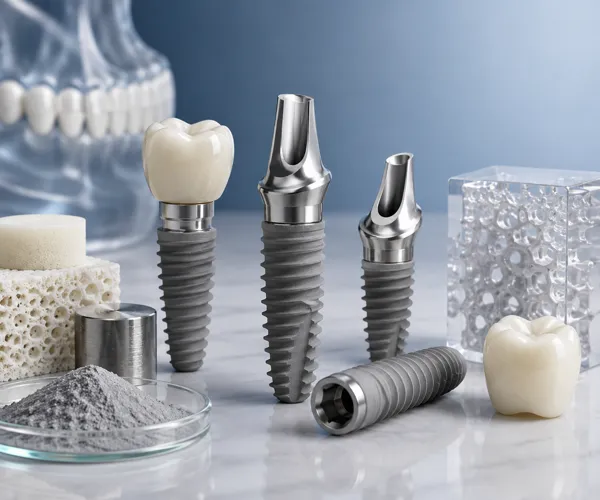
Dental implants include three main parts:
- The implant post
- The abutment
- The dental crown
The implant post sits inside the jawbone. It acts like a tooth root. The crown stays above the gumline and looks like a natural tooth. Because implants stay inside the body for many years, dentists choose highly biocompatible materials.
In recent years, dental technology has improved fast. As a result, implants now last longer and look more natural than before. Even patients searching for $800 dental implants often want quality materials and long-term safety.
Why Implant Material Matters
Dental implants must handle daily pressure from chewing and biting. Therefore, the material must stay strong for many years. At the same time, the body must accept the implant without causing inflammation.
Good implant materials should provide:
- High strength
- Biocompatibility
- Corrosion resistance
- Long-term stability
- Natural appearance
Additionally, implant materials should fuse well with bone. This process is called osseointegration. Strong osseointegration helps implants remain stable for decades.
Patients with bone loss also care about material quality. For example, people researching osteopenia and dental implants often ask whether implants can still integrate successfully. In many cases, proper planning and strong implant materials improve success rates.
Furthermore, modern implant surfaces now support faster healing. Dentists often treat the implant surface to help bone attach more efficiently.
Because implants represent a long-term investment, material quality should never be ignored.
Titanium Dental Implants
Titanium remains the most common implant material today. Dentists have used titanium implants for over 50 years. As a result, researchers understand their long-term performance very well.
Titanium offers several important advantages:
- Excellent durability
- Strong bone integration
- High success rates
- Long lifespan
- Proven clinical history
Titanium implants rarely break under normal use. Moreover, they work well for single implants and affordable full mouth dental implants.
The metal forms a protective oxide layer naturally. Therefore, it resists corrosion inside the mouth. This feature helps implants remain stable for decades.
Many studies show titanium implants can last over 20 years with proper care. Some patients keep them for life.
Titanium implants also come in different grades. Grade 4 titanium is very common because it balances strength and flexibility well. Some systems also use titanium alloys for added durability.
Although titanium performs extremely well, a few patients prefer metal-free alternatives. Others may have concerns about aesthetics near thin gums. In these situations, zirconia becomes another option.
Still, titanium remains the gold standard for most implant treatments worldwide.
Zirconia Dental Implants
Zirconia implants have become more popular in recent years. Zirconia is a ceramic material rather than a metal. Therefore, many patients choose it for cosmetic or holistic reasons.
Zirconia implants provide several benefits:
- White tooth-like color
- Metal-free structure
- Strong aesthetics
- Good tissue response
- Low plaque accumulation
Because zirconia appears white, it blends naturally with gums and teeth. This feature helps patients with thin gum tissue avoid dark shadows near the implant area.
Additionally, zirconia suits some patients who prefer metal-free dentistry.
However, zirconia implants still have some limitations. They offer less long-term research compared with titanium. Also, they may be slightly less flexible under heavy bite forces.
For this reason, some dentists still prefer titanium for large restorations or affordable full mouth dental implants.
Even so, zirconia technology continues improving. Modern zirconia implants now show strong clinical performance in many cases.
Patients should discuss both options with their implant specialist before treatment.
What Material Is Used for Dental Crowns?
The visible crown differs from the implant post. Dentists use several materials for crowns depending on aesthetics, budget, and strength.
Common crown materials include:
- Porcelain
- Zirconia
- Porcelain fused to metal
- E-max ceramic
- Resin materials
Porcelain and zirconia crowns remain highly popular because they look natural. Additionally, zirconia crowns resist chipping very well.
Some patients combine titanium implants with zirconia crowns. This combination offers both strength and excellent aesthetics.
Meanwhile, full zirconia restorations work especially well for back teeth because they handle strong chewing pressure.
Crown material also affects overall treatment cost. Therefore, patients searching for $800 dental implants should understand that lower pricing may involve simpler crown materials or promotional packages.
Even affordable implants should still use safe and reliable materials.
Are Dental Implant Materials Safe?
Modern implant materials show excellent safety records. Dentists and researchers study implant systems carefully before clinical use.
Titanium rarely causes allergic reactions. In fact, true titanium allergies remain extremely uncommon. Additionally, zirconia works well for many patients with metal sensitivities.
Most complications come from other factors, including:
- Smoking
- Poor oral hygiene
- Gum disease
- Uncontrolled diabetes
- Severe bone loss
Material quality still matters greatly. Therefore, patients should choose experienced implant providers and trusted implant brands.
Dental implants for seniors also remain highly successful today. Many older adults improve chewing ability and quality of life after treatment.
Age alone does not usually prevent implant success. Instead, overall health and bone condition matter more.
Moreover, patients with osteopenia and dental implants concerns may still qualify for treatment after careful evaluation.
How Long Do Dental Implants Last?
Dental implants can last a very long time. In many cases, the implant post lasts decades.
Several factors affect longevity:
- Oral hygiene habits
- Smoking status
- Bone health
- Bite pressure
- Regular dental visits
Titanium implants especially show outstanding durability. Many studies report success rates above 90% after 15 to 20 years.
However, crowns may need replacement earlier due to wear. Fortunately, replacing a crown usually does not require removing the implant itself.
Good maintenance helps implants last longer. Patients should:
- Brush twice daily
- Floss carefully
- Avoid smoking
- Visit the dentist regularly
- Wear a nightguard if needed
These simple habits protect both implants and surrounding gums.
FAQ About Dental Implant Materials
What is the best material for dental implants?
Titanium is usually considered the best material because it offers excellent strength, safety, and long-term success. However, zirconia works well for patients who want metal-free implants or enhanced aesthetics.
Can you have an MRI scan with dental implants?
Yes. Most dental implants, especially titanium implants, are MRI-safe. Titanium is non-ferromagnetic, so it generally does not interfere with MRI scans.
What happens to titanium implants after 20 years?
Many titanium implants remain stable after 20 years. With proper care, they often continue functioning normally. However, surrounding gum and bone health still require regular monitoring.
What is the downside to dental implants?
Dental implants require surgery and healing time. Additionally, treatment may cost more than dentures or bridges. Some patients may also need bone grafting before implant placement.
Final Thoughts
When patients ask, “what are dental implants made of,” the answer usually involves titanium or zirconia. Both materials offer important benefits. Titanium provides unmatched durability and clinical history. Meanwhile, zirconia offers excellent aesthetics and a metal-free option.
Modern implants continue improving every year. Therefore, more patients now qualify for treatment than ever before. Whether someone wants dental implants for seniors, affordable full mouth dental implants, or solutions for osteopenia and dental implants concerns, proper material selection remains essential.
Before treatment, patients should discuss goals, health history, and budget with an experienced implant dentist. The right material can improve comfort, confidence, and long-term oral health for many years.