


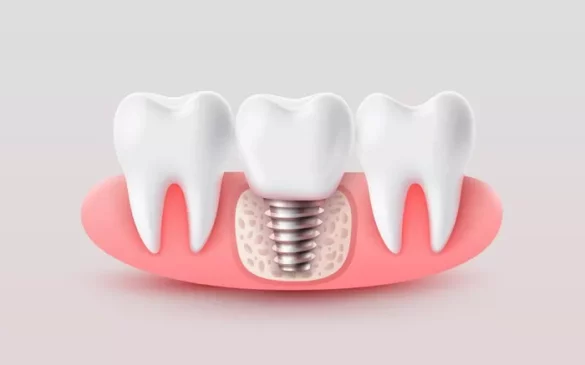
Dental implants have reshaped modern dentistry. They offer a stable and natural-looking solution for missing teeth. They work because of a simple but advanced design. Each dental implant has three essential parts. These parts work together to restore function, strength, and aesthetics. The structure is designed to mimic a real tooth. It copies both the visible crown and the root hidden below the gum. Because each component has a clear role, the implant can act like a permanent tooth replacement.
This article explains these three parts in detail. It describes how each part functions. It also discusses why this structural design matters for healing, stability, and long-term success.
The Importance of Understanding Dental Implant Components
A dental implant is a system. It is not a single piece. Patients benefit when they know the structure. Understanding the parts helps people make informed decisions. It helps them follow the treatment plan. It also helps them set realistic expectations. Success depends on the harmony of each part. Stability depends on proper placement. Longevity depends on clean interfaces. A clear understanding reduces anxiety and confusion.
Dental professionals explain these components before treatment. They inform patients about what will be placed in their jawbone. They describe the surgical process. They explain healing and integration. Knowledge leads to better cooperation. Cooperation leads to improved outcomes.
Part 1: The Implant Fixture (Titanium or Zirconia Post)
The Role of the Implant Fixture
The implant fixture is the foundation. It is also called the implant body or implant screw. It is placed inside the jawbone. It replaces the natural root. It creates stability. It supports the entire implant system. Without the fixture, the implant cannot function. The fixture integrates with bone. This process is called osseointegration. It creates a strong and rigid base. It prevents shifting. It ensures long-term support.
Material Composition of the Fixture
Most fixtures are made of titanium. Titanium is biocompatible. The body accepts this metal. It rarely triggers reactions. It bonds with bone tissue. Titanium has been used for decades. It has a strong clinical success rate. Some implants use zirconia. Zirconia is ceramic. It is metal-free. It is white, so it looks natural under thin gums. Zirconia implants are an option for metal-sensitive patients. Both materials are safe. Both perform well. Dentists choose based on anatomy, cosmetic needs, or allergies.
Shape and Surface Texture
The fixture has a screw-like shape. This shape increases retention. It improves stability. It also allows the dentist to anchor it safely. The surface is treated. It may be sandblasted. It may be acid-etched. It may be coated. A treated surface encourages bone growth. Bone cells attach easily. This speeds osseointegration. A strong bond improves long-term function.
Surgical Placement of the Fixture
The fixture is inserted during minor surgery. The dentist opens the gum. The dentist drills a controlled space in the bone. The fixture is then placed. The gum is closed. Healing begins. Osseointegration usually takes several months. This step is essential. The implant must fuse with bone. Without fusion, the implant will not succeed.
Part 2: The Abutment (Connector Piece)
The Purpose of the Abutment
The abutment is the connector. It links the crown to the implant fixture. It sits above the gumline. It is attached after the fixture has healed. It provides a platform. It supports the final prosthetic tooth. It transfers chewing forces to the fixture. It ensures stability. It creates proper alignment.
Types of Abutments
Abutments come in different designs. Some are stock abutments. They are pre-made. They fit most implants. They are cost-effective. Others are custom abutments. These are digitally designed. They match the patient’s gum shape. They offer improved aesthetics. They create ideal angles. Custom abutments are preferred in complex cases.
Materials Used for Abutments
Titanium abutments are common. They are strong. They resist corrosion. They work well for back teeth. Zirconia abutments are also used. They are tooth-colored. They are ideal for front teeth. They improve cosmetic outcomes. They blend with natural enamel. The dentist selects the material based on strength needs and cosmetic demands.
Placement of the Abutment
The abutment is placed after healing. The dentist uncovers the implant. The dentist attaches the abutment. The gum heals around it. This forms a natural contour. The abutment becomes the visible part. It prepares the site for the crown. The final restoration cannot be placed without this connector.
Part 3: The Crown (Artificial Tooth)
The Function of the Crown
The crown is the visible part. It is the replacement tooth. It attaches to the abutment. It completes the restoration. It allows chewing. It restores appearance. It improves speech. It matches natural teeth. The crown must be strong. It must be durable. It must be shaped correctly.
Materials Used for Crowns
Crowns can be porcelain. They can be zirconia. They can be a hybrid of ceramic and metal. Porcelain crowns look natural.
They reflect light well. Zirconia crowns are strong. They resist cracks. They are ideal for molars. Porcelain-fused-to-metal crowns are traditional. They combine strength and beauty. Dentists choose based on position, bite force, and aesthetic goals.
Design and Customization
Crowns are custom-made. The dentist takes digital scans. A laboratory designs the crown. The crown mimics the patient’s natural tooth. It matches the color. It matches the shape. It matches the size. A well-designed crown blends seamlessly. It enhances confidence. It improves function. Precision is essential.
Attachment to the Abutment
The crown can be cemented. It can also be screw-retained. Cemented crowns use dental cement. They offer a clean look. Screw-retained crowns allow easy removal. They make repairs simple. Each method has advantages. The dentist selects based on bite, location, or implant type.
How the Three Parts Work Together
Each part of the implant has a clear purpose. The fixture provides anchorage. The abutment provides connection. The crown provides function and appearance. Together, they restore the full structure of a natural tooth. The fixture becomes the root.
The crown becomes the visible tooth. The abutment becomes the supporting post. This system is stable. This system is reliable. This system is durable.
Chewing forces travel through the crown. They move down the abutment. They end in the fixture. The bone absorbs these forces. The implant acts like a real tooth. This prevents bone loss. It keeps adjacent teeth stable. It preserves oral function.
This tripart structure is the reason implants outperform dentures and bridges in long-term stability.
Benefits of Understanding the Three Implant Parts
Knowledge helps patients. It improves treatment acceptance. It reduces fear. It creates realistic expectations. It helps patients understand timelines. It helps them appreciate the healing process. It allows them to recognize each stage of treatment. Understanding structure also helps with maintenance. Patients learn how to clean around the crown. They learn how to protect the abutment. They learn how to maintain bone support for the fixture.
Why Dental Implants Use a Three-Part Design
Implants use a modular system. This system allows customization. Dentists can select the best crown. They can choose the best abutment angle. They can choose the best fixture size. The three-part design increases flexibility. It adapts to different bone levels. It adapts to gum shapes. It adapts to cosmetic needs. It also improves repair options. If the crown chips, only the crown is replaced. The fixture stays. This saves time. It reduces cost. It prevents unnecessary surgery.
Longevity of Each Implant Component
The fixture can last a lifetime. It integrates with bone. It becomes part of the body. The abutment can last many years. It depends on stress and hygiene. The crown usually lasts 10 to 15 years. It may last longer with care. Wear and chewing forces affect the crown earlier than other components. Replacement is simple. Routine maintenance protects the entire system.
Good hygiene prevents infection. Infection can damage bone. Severe bone loss can harm the fixture. Patients must brush and floss. They must attend checkups. This ensures long-term success.
Common Questions About the Three Parts of an Implant
Can all three parts be placed at once?
In most cases, no. The fixture must heal first. Some cases allow immediate temporary crowns. These are provisional. They help cosmetics. They do not take full chewing forces. Final crowns are placed after osseointegration.
Are the parts universal?
Not always. Different manufacturers produce implants. Some parts are compatible. Others are unique. Dentists choose systems based on quality and research support.
Does each part affect cost?
Yes. Each component contributes to cost. Fixtures, abutments, and crowns have different price levels. Custom crowns cost more. Zirconia abutments also cost more. Labor and design also affect cost. Patients should ask for a clear itemized estimate.
Conclusion
A dental implant is a sophisticated restoration. It looks simple. Yet it has a complex structure. The three parts—fixture, abutment, and crown—work together to restore the full function of a natural tooth. The fixture becomes the root. The abutment becomes the connector. The crown becomes the visible tooth.