


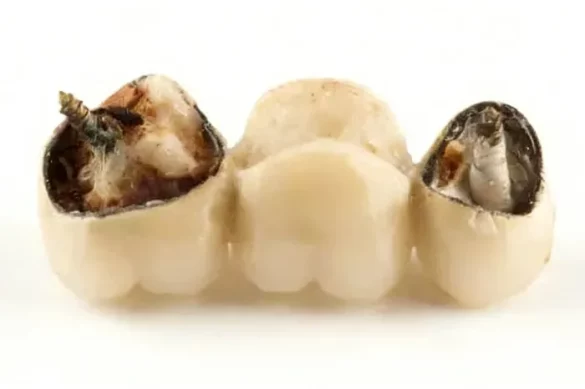
Dental bridges are a extensively used restorative remedy in cutting-edge dentistry, providing an on hand and powerful manner to update lacking tooth. While they offer severa benefits—including restoring the integrity of your smile and allowing everyday speech and chewing—additionally they have numerous vast negatives that should be taken into consideration earlier than selecting this option. Understanding those risks is vital for making an knowledgeable choice approximately your oral fitness.
What Are Dental Bridges?
Dental bridges are constant dental home equipment designed to fill gaps left via way of means of lacking tooth. They encompass synthetic tooth (pontics) anchored to the herbal tooth or implants on both aspect of the space. These assisting tooth are referred to as abutments and are typically equipped with crowns to keep the bridge securely. The layout presents a non-stop row of tooth, restoring your chew and aesthetics.
The Impact on Adjacent Teeth
One of the number one negatives related to dental bridges is the impact at the neighboring tooth. For a conventional bridge to be placed, the abutment tooth on both aspect of the distance should be reshaped and crowned. This training includes putting off a number of the wholesome tooth, and every so often extra, from those tooth. Once the tooth is removed, it can not be restored, because of this that those tooth might also additionally emerge as extra susceptible to decay and different issues.
Additionally, the long-time period balance of the bridge relies upon at the fitness of the abutment tooth. If those tooth emerge as compromised via way of means of decay or gum disease, the complete bridge can fail. This danger is specifically regarding for the ones whose surrounding tooth aren’t wholesome or are already weakened.
Increased Risk of Decay and Gum Disease
Dental bridges could make cleansing extra challenging. While bridges themselves can not decay, the tooth beneath the crowns can. Food debris and micro organism can acquire below the pontic (the fake tooth) and across the abutment tooth, probably main to decay or gum disease. Patients should take more steps to smooth round and below the bridge, frequently the use of unique floss threaders or interdental brushes.
If a bridge is ill-fitting, it could create small gaps wherein plaque and micro organism gather extra easily. Left untreated, this may purpose gum infection, irritation, or recession across the bridge, similarly growing the probabilities of dental issues over time.
Shorter Lifespan Compared to Dental Implants
Dental bridges do now no longer last up to dental implants. The common lifespan of a bridge is ready five to fifteen years, relying at the substances used and the patient’s oral hygiene. Implants, via way of means of contrast, can closing two decades or extra and are frequently taken into consideration permanent. This way that maximum bridges will subsequently want to be replaced, including to the long-time period fee and inconvenience.
Replacement includes some other dental procedure, that may in addition compromise the final healthful enamel shape. Patients want to keep in mind now no longer simply the preliminary cost, however additionally the destiny rate and time required for preservation or replacement.
Continued Bone Loss withinside the Jaw
A foremost downside of bridges—specially whilst in comparison to dental implants—is they do now no longer save you bone loss withinside the jaw on the webweb page of the lacking enamel. Because bridges are supported through enamel instead of being anchored into the jawbone, they do now no longer stimulate the bone thru chewing forces as herbal enamel or implants do. Over time, the bone below the pontic can cut back or resorb, main to modifications in facial form and chunk power.
In intense cases, bone loss can make contributions to facial collapse, making destiny restorative remedies extra tough and impacting the general shape of your mouth.
Stability and Comfort Issues
While bridges are typically extra solid than detachable dentures, they will now no longer provide the identical degree of balance as dental implants, in particular over the lengthy term. Bridges depend on the power of the adjoining herbal enamel, so if those enamel turn out to be weak, the bridge can loosen, shift, or maybe collapse.
Unstable bridges can reason discomfort, chunk misalignment, pain, and troubles with chewing or speaking. If the bridge does now no longer match correctly, it could fast turn out to be a supply of inflammation and can require common modifications or replacement.
Complications from Poor Fit and Materials
Not all bridges are made equal. The desire of material—consisting of porcelain, steel alloys, or ceramics—can have an effect on durability, match, and look. If a bridge isn’t custom-geared up, it could reason ongoing discomfort, inefficiency whilst chewing, or maybe harm the abutment enamel. Poorly designed or geared up bridges are extra liable to breaking, cracking, or carrying down.
Side results from insufficient substances or lab paintings can consist of allergic reactions, accelerated put on on herbal enamel, or an unnatural look that influences self belief and pleasure with the result.
Maintenance Requirements
Caring for a dental bridge calls for extra common and meticulous oral hygiene than herbal enamel. Patients ought to brush as a minimum two times every day and use unique equipment to easy beneathneath the bridge. Flossing round crowns and beneathneath the pontic is crucial to save you trapping meals debris and minimizing the chance of degradation and gum disease. Some sufferers can also additionally discover those necessities inconvenient or tough, specially people with constrained dexterity.
Failure to hold right hygiene can fast bring about troubles that jeopardize each the bridge and underlying enamel, ensuing withinside the want for elimination or replacement.
Not Suitable for Everyone
Dental bridges aren’t suitable for all sufferers. People missing healthful tooth to behave as abutments, people with intense gum disease, or the ones laid low with huge bone loss can also additionally want opportunity solutions. In such cases, implants or partial dentures can be higher options, aleven though every comes with its very own set of professionals and cons.
Dentists will usually verify your oral fitness earlier than recommending a bridge, so it’s vital to go through a radical exam and speak all to be had options.
Cost Considerations
Upfront, bridges have a tendency to be much less high-priced than dental implants and are regularly blanketed through dental insurance. However, their shorter lifespan and want for capability substitute, in conjunction with the chance of headaches concerning neighboring tooth, could make them greater high-priced withinside the lengthy run. Unexpected repairs, everyday check-ups, and extra hygiene merchandise can upload to the general cost.
Psychological Implications
While dental bridges can repair self assurance and enhance look, the negatives—which includes everyday worry of breakage, tension over close by teeth fitness, and the possibility of repeated treatment—can have an effect on intellectual well-being. Some sufferers are involved approximately the bridge failing or wanting substitute, that may result in ongoing fear approximately their dental fitness.
Conclusion
Dental bridges stay a famous and powerful answer for lacking tooth. They are affordable, fast, and might repair feature and look quickly. However, their negatives—effect on neighboring tooth, hard upkeep, better chance of degradation and gum disease, shorter lifespan, loss of bone preservation, and capability instability—require cautious consideration. Patients need to discuss with dental professionals, examine their oral fitness status, and weigh all options earlier than choosing a bridge as a teeth substitute option.
FAQs
1. How lengthy does a dental bridge commonly ultimate?
A dental bridge will normally ultimate among five and 15 years, relying on oral hygiene, fabric quality, and general dental fitness.
2. Is a dental bridge much more likely to fail than an implant?
Bridges commonly have a shorter lifespan and depend on the fitness of neighboring tooth. Implants, anchored withinside the jawbone, generally ultimate longer and are much less susceptible to failure because of adjoining teeth issues.
3. Can a dental bridge reason harm to healthful tooth?
Yes, making ready healthful abutment tooth calls for casting off a few enamel, making the ones tooth greater liable to decay and different issues over time.
4. Do dental bridges save you bone loss?
No, bridges do now no longer stimulate bone regeneration on the webweb page of lacking tooth. Only dental implants assist hold bone fitness withinside the jaw.
five. What are the primary upkeep necessities for a dental bridge?
Bridges require day by day brushing, specialised flossing beneathneath the pontic, everyday dental checkups, and cautious avoidance of tough or sticky ingredients to limit chance of breakage or decay.