


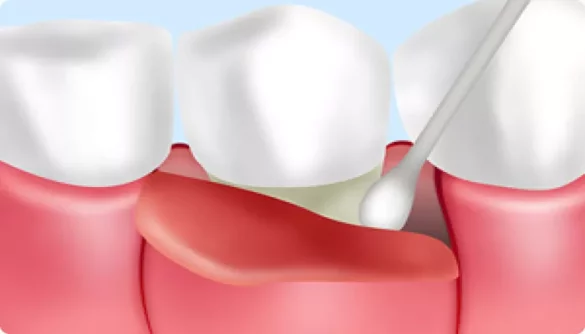
Pus pockets in the mouth, also known as oral abscesses, are a common dental concern that can indicate infection or other oral health problems. These pockets are often painful, swollen, and can cause bad breath. Understanding their causes, symptoms, and treatment options is essential for maintaining good oral health and preventing complications.
What Is A Pus Pocket?
A pus pocket is a localized collection of pus within the tissues of the mouth. Pus is a thick fluid composed of dead white blood cells, bacteria, and tissue debris. Pus pockets usually form as a response to bacterial infections. They can appear around the teeth, gums, or other soft tissues of the mouth. Common types of oral pus pockets include:
Periapical abscess: Forms at the tip of a tooth root due to untreated decay.
Periodontal abscess: Develops in the gums around the teeth as a result of gum disease.
Gingival abscess: Limited to the gums without involving the tooth or bone.
Primary Causes of Pus Pockets
1. Tooth Decay
Tooth decay is one of the most common causes of pus pockets in the mouth. When bacteria break down the enamel and dentin of a tooth, the pulp inside can become infected. If left untreated, this infection can spread to the root tip, forming a periapical abscess. Symptoms often include severe tooth pain, sensitivity to hot and cold, and swelling.
2. Gum Disease (Periodontitis)
Gum disease can cause pus pockets, particularly when bacteria infect the tissues surrounding the teeth. Periodontitis is a severe form of gum disease that damages the gums and bone supporting the teeth. This can lead to periodontal abscesses, causing pain, swelling, and sometimes pus drainage.
3. Trauma to the Teeth or Gums
Injuries to the mouth, such as a cracked tooth or cuts in the gums, can allow bacteria to enter the tissues. Even minor trauma can result in bacterial infection, eventually leading to pus formation. Traumatic injuries may also worsen pre-existing oral infections.
4. Poor Oral Hygiene
Poor oral hygiene allows plaque and bacteria to accumulate, increasing the risk of infections that can lead to abscess formation. Regular brushing, flossing, and dental check-ups are critical in preventing pus pockets.
5. Impacted Teeth
Impacted teeth, especially wisdom teeth, can create pockets where bacteria thrive. This can result in pericoronitis, an infection around a partially erupted tooth, often leading to pus accumulation.
6. Cysts and Other Oral Lesions
Oral cysts or other abnormal tissue growths can become infected, forming pus pockets. These conditions may require professional evaluation to prevent complications.
Symptoms of Pus Pockets
Recognizing the symptoms of pus pockets is crucial for timely treatment. Common signs include:
- Swelling around a tooth or gum area
- Persistent toothache or gum pain
- Redness or inflammation in the affected area
- Pus discharge from the gum or tooth
- Bad taste or foul odor in the mouth
- Fever or general malaise in severe cases
Complications of Untreated Pus Pockets
If left untreated, pus pockets can lead to serious complications. The infection may spread to surrounding tissues, jawbone, or even the bloodstream, potentially causing:
- Osteomyelitis (bone infection)
- Cellulitis (skin and tissue infection)
- Sepsis (a life-threatening systemic infection)
- Tooth loss due to bone and tissue damage
Diagnosis of Pus Pockets
Dental professionals use several methods to diagnose pus pockets, including:
Clinical Examination: Visual inspection and palpation to identify swelling, redness, or pus drainage.
Dental X-rays: Imaging to detect the extent of infection and involvement of the tooth or bone.
Pulp Vitality Tests: To determine the health of the tooth pulp.
Medical History Review: Assessing past dental issues or conditions that may contribute to infection.
Treatment Options
1. Drainage of the Abscess
The primary step in treating a pus pocket is to drain the abscess. This helps relieve pain and remove infectious material. Drainage can be performed through the gum or tooth, depending on the abscess type.
2. Root Canal Therapy
If the pus pocket is caused by a tooth infection, root canal treatment may be necessary. This procedure removes the infected pulp, cleans the root canal system, and seals it to prevent further infection.
3. Antibiotic Therapy
Antibiotics may be prescribed to control the infection, especially if it has spread beyond the local area. Commonly used antibiotics include amoxicillin and metronidazole. Antibiotics alone cannot replace drainage but are helpful in combination with other treatments.
4. Tooth Extraction
In severe cases where the tooth cannot be saved, extraction may be required. Removing the tooth allows the infection to resolve and prevents further complications.
5. Periodontal Treatments
For pus pockets caused by gum disease, treatments may include deep cleaning, scaling and root planing, or periodontal surgery. Maintaining proper oral hygiene post-treatment is crucial to prevent recurrence.
Preventing Pus Pockets
Prevention is always better than treatment. Key steps to prevent pus pockets include:
- Brushing twice daily with fluoride toothpaste
- Flossing daily to remove plaque between teeth
- Regular dental check-ups and professional cleanings
- Avoiding excessive sugary foods and drinks
- Prompt treatment of tooth decay or gum disease
- Protecting teeth from trauma using mouthguards during sports
When to See a Dentist
Immediate dental consultation is necessary if you experience:
- Severe or persistent tooth or gum pain
- Visible pus or swelling in the mouth
- Fever or swollen lymph nodes
- Difficulty swallowing or breathing
Early intervention can prevent serious complications and promote faster healing.
Conclusion
Pus pockets in the mouth are a sign of bacterial infection and should never be ignored. Common causes include tooth decay, gum disease, trauma, and poor oral hygiene. Symptoms like pain, swelling, and pus discharge require prompt dental attention. Treatment often involves drainage, antibiotics, root canal therapy, or extraction, depending on the severity.
Preventive measures, such as regular oral hygiene and dental visits, are essential to maintain a healthy mouth and prevent abscess formation. By understanding the causes and taking proactive steps, you can protect your oral health and avoid serious complications associated with pus pockets.