


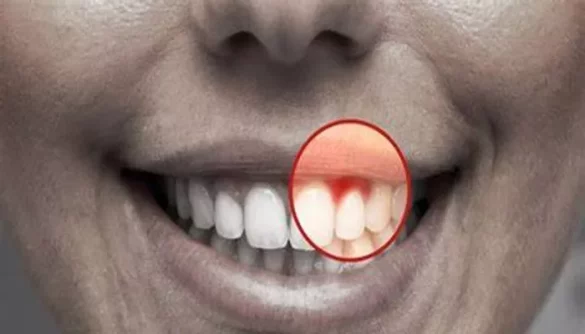
A gum abscess is a painful, localized infection in the gums. It appears as a swollen, red area filled with pus. While a single abscess can be treated and healed, some individuals experience recurring gum abscesses. Understanding the causes is crucial for prevention and effective dental care.
Understanding Gum Abscess
Definition
A gum abscess is an accumulation of pus caused by bacterial infection. It usually occurs near the tooth or in the gum tissue. The infection can affect the surrounding bone and tissue if untreated. Recurring abscesses indicate an underlying issue that needs professional evaluation.
Symptoms of Recurring Gum Abscess
Common signs include:
- Pain and tenderness in the affected area.
- Red, swollen gums.
- Bad taste in the mouth due to pus drainage.
- Fever in severe cases.
- Persistent discomfort even after treatment.
Recurring abscesses often cause repeated pain and swelling, affecting oral health and daily life.
Primary Causes of Recurring Gum Abscess
Poor Oral Hygiene
Poor brushing and flossing habits lead to plaque and tartar buildup. Bacteria thrive in these conditions, increasing the risk of gum infections. Regular dental care is essential to prevent recurring abscesses.
Periodontal Disease
Gum disease, or periodontitis, damages gum tissue and bone. Advanced periodontal disease creates pockets where bacteria can accumulate. These pockets are difficult to clean, which can result in repeated abscess formation.
Untreated Dental Caries
Tooth decay can extend to the root, causing infection. If not treated, the infection may spread to the gum tissue. This can lead to recurring gum abscesses even after temporary relief.
Impacted Food Particles
Food trapped between teeth or in gum pockets can promote bacterial growth. Over time, this may trigger repeated abscess formation. Flossing and dental checkups help reduce this risk.
Inadequate Dental Treatments
Incomplete root canal treatments or poorly fitted dental restorations can allow bacteria to persist. This leads to repeated infections and recurring abscesses. Professional evaluation ensures the treatment is effective.
Weakened Immune System
Individuals with compromised immunity are more susceptible to infections. Conditions like diabetes, HIV, or chemotherapy can hinder the body’s ability to fight bacterial infections, leading to repeated gum abscesses.
Secondary Factors Contributing to Recurring Gum Abscess
Smoking and Tobacco Use
Tobacco reduces blood flow to the gums, slowing healing. It also promotes bacterial growth and gum tissue damage, increasing the likelihood of recurring abscesses.
Stress and Hormonal Changes
Stress and hormonal fluctuations, such as during pregnancy or menopause, can impact gum health. Reduced resistance in gum tissue can contribute to repeated infections.
Underlying Systemic Conditions
Medical conditions like uncontrolled diabetes, anemia, or cardiovascular diseases can weaken gum tissue and delay healing. These factors increase the risk of recurring gum abscesses.
Diagnosis of Recurring Gum Abscess
Clinical Examination
A dentist examines the gums and teeth for signs of infection. Swelling, redness, and pus formation are key indicators. The dentist also checks for dental restorations and tooth decay.
Dental X-Rays
X-rays help identify hidden infections, bone loss, or tooth decay that may cause abscess recurrence. This imaging is essential for proper diagnosis and treatment planning.
Microbial Testing
In persistent cases, a microbial culture may identify the specific bacteria causing infection. This allows targeted antibiotic therapy for more effective treatment.
Treatment of Recurring Gum Abscess
Drainage of Abscess
Initial treatment often involves draining the abscess to relieve pain and remove pus. This provides temporary relief but does not address the underlying cause.
Root Canal Therapy
If the infection originates from the tooth pulp, a root canal can remove infected tissue and prevent recurrence. Proper cleaning and sealing of the root canals are essential.
Periodontal Treatment
For abscesses caused by gum disease, deep cleaning (scaling and root planing) removes bacterial plaque and tartar from gum pockets. In severe cases, surgical intervention may be necessary.
Antibiotic Therapy
Antibiotics may be prescribed to control bacterial infection. However, antibiotics alone are not a solution. The underlying cause must be treated to prevent recurrence.
Extraction of Non-Restorable Teeth
When a tooth is severely damaged or infected beyond repair, extraction may be the only option. Removing the source of infection prevents repeated abscess formation.
Preventing Recurring Gum Abscess
Maintain Oral Hygiene
Brush twice daily with fluoride toothpaste and floss regularly. Clean between teeth to remove food particles and reduce bacterial growth. Regular mouth rinses can also help.
Regular Dental Checkups
Routine dental visits allow early detection of gum disease, decay, or other risk factors. Professional cleaning removes tartar and helps maintain gum health.
Manage Underlying Health Conditions
Control diabetes, improve immune function, and address systemic conditions. Proper management reduces susceptibility to gum infections.
Healthy Lifestyle Choices
Avoid tobacco and excessive alcohol use. Eat a balanced diet rich in vitamins and minerals to support gum and overall oral health.
Timely Dental Interventions
Treat cavities, replace faulty restorations, and address gum disease promptly. Early intervention prevents the infection from becoming chronic and recurring.
When to See a Dentist
Seek professional care if you experience:
- Persistent pain or swelling in the gums.
- Repeated abscess formation in the same area.
- Fever or general malaise associated with oral infection.
- Unexplained bleeding or pus from the gums.
Prompt treatment reduces complications and protects long-term oral health.
Conclusion
Recurring gum abscesses are usually a sign of an underlying dental or systemic problem. Poor oral hygiene, periodontal disease, tooth decay, and weakened immunity are common causes. Proper diagnosis, targeted treatment, and preventive care are essential to break the cycle of infection. Maintaining good oral hygiene, attending regular dental checkups, and addressing systemic health conditions help prevent recurrence and support overall dental health.