


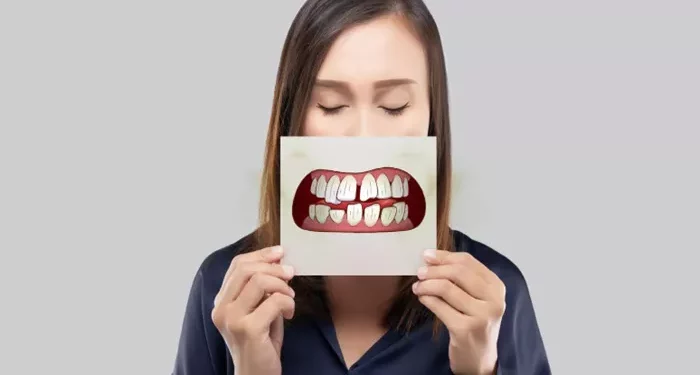
People with bad teeth often face significant challenges when it comes to their diet. Dental issues such as missing teeth, cavities, gum disease, and sensitivity can make eating a painful experience. This article will explore what people with bad teeth can eat to maintain a balanced diet without exacerbating their dental problems. We’ll discuss various food options, preparation methods, and nutritional considerations to help those with dental issues enjoy their meals while protecting their oral health.
Soft Foods
People with bad teeth often turn to soft foods because they are easier to chew and less likely to cause pain or discomfort.
Cooked Vegetables
Cooked vegetables are a great option for people with bad teeth. They are soft and easy to chew. Steaming, boiling, or roasting vegetables like carrots, broccoli, and squash can make them tender and easy to eat.
Mashed Potatoes
Mashed potatoes are soft and can be flavored with various herbs and spices. They are a filling and nutritious option for those with dental problems.
Avocado
Avocado is a soft, creamy fruit that is easy to eat. It is rich in healthy fats and can be eaten on its own or added to dishes like salads and sandwiches.
Bananas
Bananas are soft and easy to chew. They are also packed with nutrients like potassium and vitamin C.
Smoothies
Smoothies are an excellent way to consume fruits and vegetables without having to chew. They can be customized to include various ingredients to suit individual tastes and nutritional needs.
Yogurt
Yogurt is a soft, creamy dairy product that is easy to eat. It is rich in calcium and probiotics, which are beneficial for oral health.
Scrambled Eggs
Scrambled eggs are soft and easy to chew. They are also a good source of protein and can be cooked in various ways to add flavor.
Soups and Stews
Soups and stews are ideal for people with bad teeth. They are soft, easy to chew, and can be packed with nutrients.
Chicken Soup
Chicken soup is a classic comfort food that is easy to eat. The chicken can be cooked until it is very tender, making it easy to chew.
Vegetable Stew
Vegetable stew can be made with various soft vegetables. It is a nutritious and filling option for those with dental issues.
Pureed Foods
Pureed foods are a good option for people with severe dental problems. They can be made from various ingredients to suit individual tastes and nutritional needs.
Pureed Fruits
Pureed fruits like apples, pears, and berries are easy to eat and can be made into sauces or added to other dishes.
Pureed Vegetables
Pureed vegetables like carrots, peas, and sweet potatoes are soft and nutritious. They can be served as a side dish or added to soups and stews.
Pureed Meats
Pureed meats like chicken, beef, and fish can be made soft and easy to chew. They can be seasoned to add flavor and served with other pureed foods.
Dental Health and Nutrition
Maintaining good dental health is crucial for overall well-being. Poor dental health can lead to various health issues, including malnutrition, as people may avoid eating certain foods due to pain or discomfort. It is essential to focus on nutrient-dense foods that are easy to chew and swallow.
Protein
Protein is vital for maintaining muscle mass and overall health. People with bad teeth can get their protein from soft sources.
Fish
Fish is a great source of protein and is generally softer than other meats. Options like salmon, trout, and tuna can be cooked until tender and flaky.
Tofu
Tofu is a soft, plant-based protein source. It can be cooked in various ways to add flavor and texture.
Beans
Beans are a good source of protein and can be cooked until soft. They can be added to soups, stews, and salads.
Healthy Fats
Healthy fats are essential for overall health and can be found in various soft foods.
Avocado
As mentioned earlier, avocado is a great source of healthy fats.
Nut Butters
Nut butters like peanut butter and almond butter are soft and easy to eat. They can be spread on soft bread or added to smoothies.
Olive Oil
Olive oil is a healthy fat that can be added to cooked vegetables, salads, and other dishes.
See Also: Why Are My Molars Yellow
Fiber
Fiber is essential for digestive health and can be found in various soft foods.
Oatmeal
Oatmeal is a good source of fiber and can be made soft and easy to eat. It can be flavored with fruits, nuts, and spices.
Soft Fruits
Soft fruits like bananas, berries, and peaches are good sources of fiber and are easy to eat.
Cooked Vegetables
Cooked vegetables, as mentioned earlier, are also a good source of fiber.
Calcium and Vitamin D
Calcium and vitamin D are crucial for bone and dental health.
Dairy Products
Dairy products like yogurt, milk, and cheese are good sources of calcium and vitamin D.
Fortified Foods
Some foods are fortified with calcium and vitamin D, such as certain plant-based milks and cereals.
Eggs
Eggs are a good source of vitamin D and can be cooked in various ways to make them soft and easy to eat.
Hydration
Staying hydrated is crucial for overall health, including dental health.
Water
Water is the best choice for staying hydrated. It helps to rinse away food particles and bacteria from the mouth.
Herbal Teas
Herbal teas are a good option for hydration and can have various health benefits. Avoid adding sugar to prevent dental issues.
Food Preparation Tips
Preparing food in ways that make it soft and easy to chew can help people with bad teeth enjoy a wider variety of foods.
Cooking Methods
Steaming
Steaming vegetables makes them tender and easy to chew while preserving their nutrients.
Boiling
Boiling can soften tough foods like potatoes and carrots, making them easier to eat.
Slow Cooking
Slow cooking meats and vegetables can make them very tender and flavorful.
Blending
Blending foods into soups, smoothies, or purees can make them easier to eat and more nutritious.
Cutting and Peeling
Cutting Food into Small Pieces
Cutting food into smaller pieces can make it easier to chew and swallow.
Peeling Tough Skins
Removing tough skins from fruits and vegetables can make them easier to eat.
Avoiding Certain Foods
Certain foods should be avoided by people with bad teeth to prevent pain and further dental issues.
Hard Foods
Hard foods like nuts, raw carrots, and hard candies can be difficult to chew and may cause pain or damage to teeth.
Sticky Foods
Sticky foods like caramels and gummy candies can stick to teeth and increase the risk of cavities.
Sugary Foods and Drinks
Sugary foods and drinks can contribute to tooth decay and should be limited.
Acidic Foods and Drinks
Acidic foods and drinks like citrus fruits and soda can erode tooth enamel and should be consumed in moderation.
Regular Dental Care
Regular dental care is essential for managing dental issues and maintaining overall health.
Brushing and Flossing
Brushing and flossing regularly can help prevent further dental issues. Use a soft-bristled toothbrush and fluoride toothpaste.
Dental Check-ups
Regular dental check-ups are essential for monitoring dental health and addressing any issues promptly.
Professional Cleanings
Professional cleanings can help remove plaque and tartar that regular brushing and flossing might miss.
Special Considerations for Elderly and Disabled Individuals
Elderly and disabled individuals may face additional challenges when it comes to eating with bad teeth. It is important to consider their specific needs and provide appropriate support.
Assistance with Eating
Providing assistance with eating can help ensure that elderly and disabled individuals are getting the nutrition they need. This might include cutting food into small pieces or helping with feeding.
Nutrient-Dense Foods
Focusing on nutrient-dense foods can help ensure that elderly and disabled individuals are getting the vitamins and minerals they need, even if they have difficulty eating certain foods.
Meal Planning and Preparation
Planning and preparing meals in advance can help ensure that elderly and disabled individuals have access to soft, nutritious foods that are easy to eat.
Conclusion
People with bad teeth can maintain a balanced diet by focusing on soft, nutritious foods that are easy to chew and swallow. By making thoughtful choices and preparing foods in ways that make them easier to eat, individuals with dental issues can enjoy a variety of foods without compromising their oral health. Regular dental care and check-ups are essential for managing dental issues and maintaining overall health. By following these guidelines, people with bad teeth can enjoy their meals and maintain their health and well-being.
You Might Be Interested In
- Can Oil Pulling Cure Gum Disease
- Why are my 7 year olds teeth so yellow
- Why Is The Glue On My Braces Yellow
Tags: dental carediseaseGum Diseaseteethtoothtooth decay