


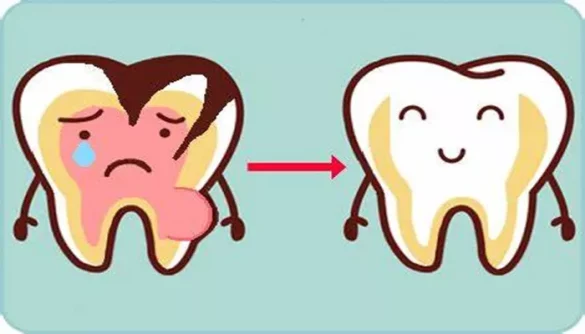
Cavities, also known as dental caries or tooth decay, are a common dental problem. They can occur on any surface of the tooth, including the sides. Side cavities are often less visible and can progress unnoticed. Understanding what a cavity looks like on the side of a tooth is important for early detection and treatment. This article explains the signs, causes, detection methods, and preventive measures for side cavities.
Understanding Side Cavities
Definition of a Cavity
A cavity is a damaged area in the hard surface of a tooth caused by bacterial acids. These acids form when bacteria in the mouth metabolize sugars from food and drinks. The damage starts as a small demineralized spot and can progress into a hole if untreated.
Why Side Cavities Occur
Side cavities occur on the interproximal surfaces of teeth, which are the areas between adjacent teeth. These areas are harder to clean with a toothbrush, allowing plaque and bacteria to accumulate. Food particles trapped in these spaces further increase the risk of decay.
Visual Signs of a Side Tooth Cavity
Color Changes
One of the earliest signs of a cavity on the side of a tooth is a change in color. The affected area may appear white, brown, or black. White spots indicate demineralization, while darker shades indicate more advanced decay. These color changes are often subtle and may be noticeable only under close inspection.
Surface Texture
The side of a tooth with a cavity may feel rough or sticky when touched with the tongue or dental probe. Early cavities can cause a slight roughness, while larger cavities may create a noticeable pit or hole in the tooth surface.
Shadows and Discoloration Between Teeth
Side cavities often manifest as dark shadows between teeth. These shadows may be visible when smiling or looking in a mirror. X-rays can reveal more pronounced decay not visible to the naked eye.
Signs During Dental Examination
During routine dental checkups, dentists use tools and techniques such as explorers, bitewing X-rays, and transillumination to detect side cavities. These methods help identify small lesions before they become large and painful.
Causes of Side Cavities
Poor Oral Hygiene
Failure to clean between teeth allows plaque to accumulate. Plaque contains bacteria that produce acids. These acids attack the tooth enamel and lead to decay.
Diet High in Sugars and Starches
Foods and drinks rich in sugar increase bacterial activity in the mouth. Snacks, sodas, and sweets provide a constant source of food for bacteria, which accelerates decay, especially in hard-to-reach side areas.
Tooth Alignment and Crowding
Crowded teeth create tight spaces that are difficult to clean. These areas are more prone to plaque accumulation and cavities. Malocclusion may also increase the risk of side cavities.
Dry Mouth
Saliva helps neutralize acids and wash away food particles. Reduced saliva flow increases the risk of cavities. Conditions like xerostomia or certain medications can contribute to dry mouth.
Detection and Diagnosis
Visual Examination
Dentists use mirrors and bright light to inspect the sides of teeth. Early demineralization may appear as faint white lines or spots. Detecting these changes early is crucial to prevent further decay.
Bitewing X-rays
Bitewing X-rays are commonly used to detect side cavities. These X-rays show the areas between teeth where cavities often develop. They can reveal small lesions that are not visible during a visual examination.
Transillumination
This technique uses a bright light to illuminate the tooth. Decayed areas allow more light to pass through, appearing as shadows. Transillumination is especially useful for detecting interproximal cavities.
Explorers and Probing
Dental explorers are thin metal instruments used to feel the surface of teeth. Dentists can detect rough areas or small pits on the sides of teeth that indicate decay. Careful probing helps confirm the presence of a cavity.
Symptoms Associated with Side Cavities
Sensitivity
Side cavities may cause sensitivity to cold, hot, or sweet foods. This occurs when decay reaches the dentin, the layer beneath enamel, exposing nerve endings.
Pain or Discomfort
As cavities progress, pain may develop. Pain can be mild at first and increase with chewing or pressure. Sometimes side cavities are asymptomatic until they become large.
Visible Holes or Pits
Advanced side cavities may form visible holes or pits. These can trap food and cause further decay. Early detection is preferable to avoid reaching this stage.
Treatment of Side Cavities
Dental Fillings
The most common treatment for side cavities is a filling. The decayed area is removed, and the cavity is filled with a material such as composite resin or amalgam. Composite fillings are tooth-colored and suitable for side surfaces.
Dental Crowns
In cases of extensive decay, a crown may be necessary. The decayed tooth structure is removed, and a crown covers and protects the tooth. Crowns restore function and appearance.
Root Canal Treatment
If decay reaches the pulp, root canal treatment may be required. The infected pulp is removed, and the tooth is filled and sealed. A crown is usually placed afterward to restore strength.
Prevention of Side Cavities
Proper Oral Hygiene
Brushing twice a day and flossing daily helps remove plaque from the sides of teeth. Special flossing tools or interdental brushes can reach tight spaces.
Regular Dental Checkups
Routine visits allow early detection of side cavities. Professional cleanings remove plaque and tartar that brushing alone cannot remove.
Healthy Diet
Limiting sugary and starchy foods reduces the risk of cavities. Drinking water and eating fiber-rich foods help maintain oral health.
Fluoride Use
Fluoride strengthens enamel and helps prevent decay. Toothpaste and mouth rinses with fluoride are effective in protecting side surfaces.
Dental Sealants
Sealants are protective coatings applied to teeth. While often used on chewing surfaces, sealants can be applied in some cases to protect side surfaces at high risk of decay.
Conclusion
Side cavities are a common but often overlooked dental problem. They can appear as color changes, rough textures, shadows, or small pits on the sides of teeth. Early detection through visual examination, X-rays, and dental tools is key.
Treatment options include fillings, crowns, or root canal therapy depending on severity. Preventive measures such as proper oral hygiene, diet control, fluoride use, and regular dental visits are essential to reduce the risk of side cavities.
Understanding what a cavity looks like on the side of a tooth helps individuals take proactive steps to maintain oral health and avoid complex treatments.