


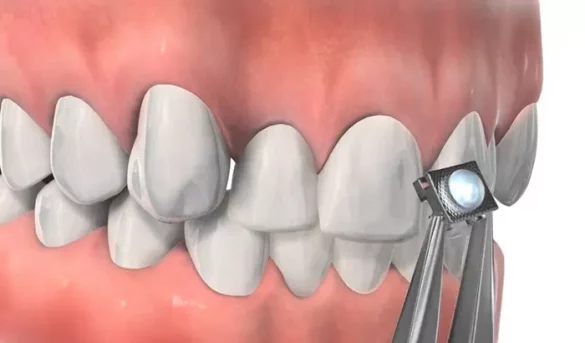
Bonding braces is a common term used in orthodontics. It refers to the process of attaching braces to teeth using a special adhesive. This is a key step in the overall orthodontic treatment that helps align and straighten teeth. Understanding what bonding braces mean is important for anyone considering orthodontic care.
Understanding the Concept of Bonding
In dentistry, bonding means adhering one material to another. For braces, bonding is the process of attaching brackets to teeth. Brackets are small devices that guide the teeth into proper positions. The adhesive used ensures that the brackets remain firmly in place during treatment.
The Role of Brackets
Brackets act as anchors for orthodontic wires. They come in metal, ceramic, or plastic materials. The wires pass through these brackets and apply gentle pressure to move teeth gradually. Proper bonding of brackets is essential for effective treatment and to prevent complications.
Orthodontic Adhesives
The adhesive used in bonding braces is a dental composite material. It is strong and durable, capable of withstanding chewing forces. The dentist carefully applies it to the surface of each tooth. Once set, the bracket is securely attached, ensuring it stays in place until removal.
The Bonding Braces Procedure
The process of bonding braces involves several careful steps. Each step is important to ensure proper alignment and long-lasting results.
Step 1: Cleaning and Preparing Teeth
Before bonding, teeth must be thoroughly cleaned. Plaque and debris are removed to provide a smooth surface for adhesive application. This step prevents bracket detachment and ensures better adhesion.
Step 2: Etching the Teeth
Etching involves applying a mild acidic solution to the teeth. This roughens the enamel slightly, allowing the adhesive to bond more effectively. Etching is typically done for a few seconds and then rinsed off.
Step 3: Applying the Adhesive
The orthodontist applies a small amount of adhesive to the back of each bracket. The bracket is then carefully positioned on the tooth. Precision is key, as improper placement can affect tooth movement.
Step 4: Curing the Adhesive
After positioning the brackets, a special light is used to harden the adhesive. This is known as curing. The process takes a few seconds per bracket and ensures a strong bond that will hold throughout the treatment.
Step 5: Attaching the Archwire
Once all brackets are bonded, the orthodontist threads the archwire through the brackets. The wire applies consistent pressure to move teeth into their correct positions. Elastic bands or ligatures may be used to secure the wire in place.
Types of Bonding Braces
There are different types of braces that can be bonded to teeth. Each type has unique characteristics and benefits.
Metal Braces
Metal braces are the most traditional and widely used. They are made of stainless steel and are very strong. Metal brackets are highly durable and effective for complex tooth movements.
Ceramic Braces
Ceramic braces use brackets made from clear or tooth-colored materials. They are less visible than metal braces and are often preferred by adults for cosmetic reasons. Bonding ceramic braces requires precision to avoid breaking the fragile material.
Self-Ligating Braces
Self-ligating braces have brackets with built-in clips to hold the wire. They may require fewer adjustments compared to traditional braces. Bonding is similar, but the orthodontist ensures the clip mechanism functions properly before completing the procedure.
Lingual Braces
Lingual braces are attached to the inner surface of teeth. Bonding lingual braces is more challenging due to limited access. Specialized adhesives and careful placement are necessary for effective treatment.
Benefits of Proper Bracket Bonding
Successful bonding has several advantages for orthodontic treatment:
Effective Tooth Movement
Strong bonding allows the brackets to remain in place, ensuring consistent pressure on teeth. This leads to more predictable and efficient movement.
Reduced Risk of Breakage
Proper bonding minimizes the risk of bracket detachment. Detached brackets can delay treatment and require emergency visits.
Improved Comfort
Well-bonded brackets fit snugly against the teeth, reducing irritation to the gums and cheeks. This improves overall comfort during treatment.
Enhanced Oral Hygiene
Correctly bonded brackets are easier to clean around. This reduces the risk of plaque accumulation and dental decay during treatment.
Challenges in Bonding Braces
While bonding braces is generally safe and effective, some challenges may occur:
Moisture Sensitivity
Adhesive bonding requires a dry tooth surface. Saliva or blood can interfere with adhesion and increase the risk of bracket detachment.
Enamel Damage
Improper technique during bonding or removal may damage the enamel. Skilled orthodontists use careful procedures to minimize this risk.
Bracket Placement Issues
Incorrect bracket positioning can lead to ineffective treatment. Regular monitoring and adjustments ensure optimal outcomes.
Bonding Braces vs. Other Attachment Methods
Bonding is the most common method of attaching braces. Other methods exist but are less frequently used.
Cemented Braces
Cemented braces use a dental cement to attach brackets. While similar to bonding, cemented braces may be more difficult to remove without damaging teeth.
Removable Braces
Removable braces do not require bonding. These include clear aligners. While convenient, they are less suitable for severe orthodontic cases.
Care and Maintenance After Bonding
Proper care is essential to maintain bonded braces:
Oral Hygiene
Brushing and flossing carefully around brackets prevents plaque buildup. Special brushes or floss threaders may be helpful.
Avoid Hard Foods
Chewing hard foods can dislodge brackets. Sticky foods should also be avoided to prevent damage.
Regular Orthodontic Visits
Routine check-ups allow the orthodontist to monitor bonding integrity and adjust wires. This keeps treatment on track.
Handling Emergencies
If a bracket becomes loose, contact the orthodontist immediately. Temporary measures like orthodontic wax can reduce discomfort until professional repair.
Signs of Bonding Problems
Patients should be aware of signs indicating bonding issues:
Loose Brackets
If a bracket wiggles or detaches, it indicates adhesive failure. Prompt attention prevents treatment delays.
Discomfort or Pain
Persistent pain around a bracket may suggest misplacement. Early evaluation can prevent enamel damage and improve comfort.
Difficulty Cleaning
Food or plaque accumulation around brackets may indicate improper bonding. Professional cleaning and re-bonding may be required.
Conclusion
Bonding braces is a critical step in orthodontic treatment. It involves attaching brackets to teeth using dental adhesive.
Proper bonding ensures effective tooth movement, reduces the risk of complications, and improves comfort. Understanding the process helps patients maintain their braces and achieve a healthy, aligned smile. With the right care and professional guidance, bonding braces can lead to successful and lasting orthodontic results.