


Recovering from wisdom teeth surgery brings many questions, one of the most common being when you can safely return to eating normal food. Eating too soon, or choosing the wrong foods, may lead to complications like pain, infection, or delayed healing. Understanding the right timeline and food choices is crucial for a smooth recovery, enabling you to regain comfort and health as quickly as possible.
Understanding the Wisdom Teeth Healing Process
Healing after wisdom teeth removal is a gradual process. The surgical site in your mouth needs time for a blood clot to form, which protects bone and nerves and facilitates tissue repair. Interfering with this process—especially by eating inappropriate foods—may cause issues like dry socket or infection. Your dentist’s instructions are your primary guide, but it helps to know the basic stages of recovery.
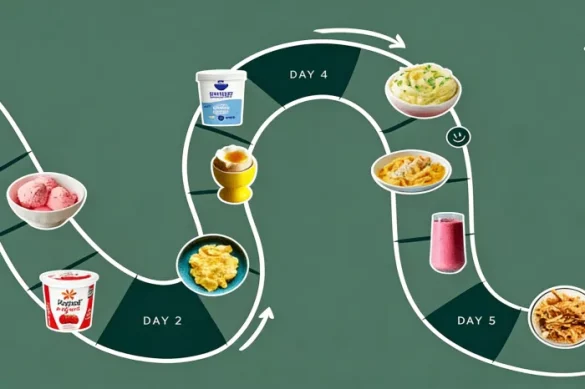
The Initial 24 Hours: Liquids and Soft Foods Only
During the first 24 hours after wisdom teeth surgery, it is vital to avoid solid foods completely. The main goal is to allow the blood clot to stabilize at the extraction site. Consuming anything hard, chewy, or even too hot can disturb healing. Instead, stick to:
- Cool or lukewarm liquids (water is best)
- Plain yogurt
- Smoothies (without seeds or chunks)
- Broths and thin soups
- Applesauce
Avoid using straws, as the suction can dislodge the blood clot and lead to painful dry socket. Also, do not eat anything that requires chewing during this period.
Days 2 to 3: Gentle Transition to Semi-Soft Foods
If the initial pain and swelling have started to decrease, you can slowly begin adding very soft foods that need minimal chewing. Examples include:
- Mashed potatoes
- Scrambled eggs
- Cottage cheese
- Soft noodles or pasta
- Well-cooked, soft vegetables
Temperature matters—avoid anything too hot or cold. Try to chew on the side of your mouth opposite the surgery site. This helps keep the area undisturbed and reduces the risk of infection or irritation.
Days 4 to 7: Expanding Your Diet with Care
By day four, swelling should be less pronounced, and pain should be manageable. Most patients can begin adding more textured foods to their diet, provided they still avoid hard, crunchy, spicy, and sticky options. Safe foods during this phase are:
- Soft bread
- Cooked poultry (well-cooked and shredded)
- Ground meats
- Pasta with soft sauces
- Cooked, skinless fruits
Continue to monitor your pain and ability to chew. If you experience discomfort, revert to softer foods and wait another day or two.
Returning to Normal Food: After One Week
After seven days, most people find it easier to chew and have less pain. This is typically when you can consider gradually reintroducing normal foods. However, it is still recommended to avoid particularly tough, crunchy, or spicy items for a few more weeks, to allow for complete healing. Individual recovery may vary, so proceed based on your own symptoms and dentist’s advice. Normal food items you may now try:
- Well-cooked meats, sliced thinly
- Steamed vegetables
- Soft fruits (bananas, peaches)
- Sandwiches with soft fillings
Hard foods, such as nuts, chips, raw vegetables, sticky candies, and tough bread, should still be avoided until your dentist clears you for them.
Foods and Habits to Avoid for Optimal Healing
During recovery, certain foods and habits can slow healing and increase risk of complications. Avoid:
- Hard snacks (chips, pretzels, crackers)
- Crunchy raw vegetables
- Sticky foods (caramel, chewing gum)
- Spicy or acidic foods
- Alcohol and carbonated drinks
- Hot beverages (coffee, tea)
- Drinking through straws
Be mindful not to chew near the extraction area and remember to keep hydrated with water.
Signs You Are Ready for Normal Food
Everyone heals at a different pace, so it’s important to listen to your own body. You are likely ready to eat normal food when:
- Swelling around your surgery site has noticeably reduced
- Pain is mild or gone altogether
- Chewing does not cause discomfort
- There is no bleeding at the site
- Jaw movement is back to normal
If you do not feel comfortable, continue with semi-soft foods and wait another few days before attempting harder textures.
Proper Chewing Technique for Recovery
When you start eating normal food, chew on the opposite side of your mouth, away from the surgery site. This protects the wound and prevents food debris from entering the healing socket. Cut foods into small pieces to minimize strain, and eat slowly to monitor for any pain or discomfort.
Tips for Smooth Transition Back to a Normal Diet
- Take your time—do not rush the process
- Cut solid foods into small pieces
- Check each bite for temperature and texture
- Prioritize hydration and mouth cleanliness
- Avoid foods that may stick to or injure the surgery site
Following these simple tips can help you avoid complications and recover faster.
When to Call Your Dentist
If you experience prolonged pain, swelling, discharge, bleeding, or signs of infection, contact your dentist promptly. Do not force your diet transition if complications arise. Your dental professional may provide additional recommendations tailored to your specific recovery progress.
Typical Recovery Timeline: Recap
- First 24 hours: Only cool or lukewarm liquids and soft foods, no chewing
- Day 2-3: Introduce mashed, soft foods (minimal chewing)
- Day 4-7: Progress to semi-soft foods, avoid hard, crunchy, spicy, or sticky foods
- After 1 week: Gradually return to normal diet if comfortable, but continue avoiding tough or chewy foods for safer healing
- After 2 weeks: Most patients can safely resume all normal foods
Conclusion
Returning to normal food after wisdom teeth surgery requires patience, careful selection, and awareness of your own healing. Start with liquids and gradually add soft foods, closely monitor your comfort, and avoid anything that might disturb the healing process. With cautious progression and the right choices, you’ll be enjoying your regular meals again without worrying about complications.
Frequently Asked Questions
How long should I wait before eating normal food after wisdom teeth surgery?
Most people can return to eating normal foods within one to two weeks, provided healing is progressing without pain or swelling. Always follow your dentist’s advice.
What happens if I eat hard food too soon after surgery?
Eating hard or crunchy food too early can disturb the blood clot, cause pain, and increase the risk of dry socket or infection. This will set back your healing process.
Can I drink hot beverages after surgery?
Avoid hot drinks for several days, as heat can promote swelling and discomfort. Opt for lukewarm or cool drinks instead.
Why should I avoid drinking through a straw?
Suction from straws can dislodge the protective blood clot and lead to dry socket, which is painful and prolongs healing.
Is it okay to eat spicy food during recovery?
Spicy foods should be avoided until full healing, as they can irritate sensitive tissues and delay recovery.