


Dental care is critical for a wholesome smile and universal well-being, however many sufferers sense unsure approximately the terminology utilized in dental offices. The terms “dental cleansing” and “prophylaxis” are frequently cited at some stage in appointments, but their meanings and variations aren’t constantly clean. Understanding what separates dental cleansing from prophylaxis can assist sufferers make higher selections concerning their oral fitness and save you destiny dental problems.
What Is Dental Cleaning?
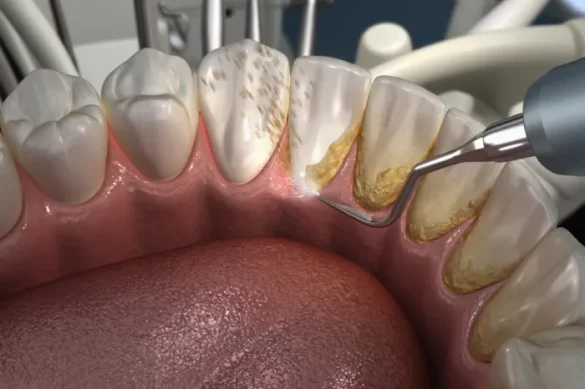
Dental cleansing is a trendy time period used for techniques that do away with plaque, tartar, and stains from the surfaces of tooth. It can check with each recurring preventive visits and greater concerned remedies for gum ailment. The number one intention is to hold tooth smooth and preserve oral hygiene. There are special styles of dental cleansing, starting from everyday preventive cleanings to healing remedies finished for sufferers with gum ailment.
What Is Prophylaxis?
Prophylaxis, frequently called “prophy” withinside the dental profession, is a particular sort of dental cleansing. It is a preventive manner finished via way of means of a dental expert to assist sufferers preserve wholesome tooth and gums. During prophylaxis, a hygienist or dentist eliminates plaque, tartar, and stains from the tooth. The predominant awareness of prophylaxis is prevention—preventing cavities and gum ailment earlier than they start.
The Steps of Prophylaxis
The prophylaxis appointment usually consists of numerous steps:
- Oral Examination: The dentist examines the mouth, tooth, and gums to discover any problems that can want attention.
- Plaque and Tartar Removal: Using unique instruments, the hygienist eliminates smooth plaque and difficult tartar from all enamel surfaces. Tartar is cussed and can’t be wiped clean with brushing alone.
- Teeth Polishing: The tooth are polished with a expert paste, assisting to do away with floor stains and go away tooth feeling easy and fresh.
- Flossing: The hygienist cautiously flosses among all tooth to clean away any final debris.
- Fluoride Application (Optional): Some sufferers gain from an extra fluoride treatment. Fluoride strengthens enamel tooth and decreases hollow space risk.
- Oral Health Education: Patients get hold of recommendation on brushing, flossing, and different hints for preserving their mouth wholesome.
- Recommendations for Future Care: The dentist can also additionally endorse follow-up appointments and destiny cleanings primarily based totally on man or woman needs, normally each six months.
Key Differences Between Dental Cleaning and Prophylaxis
At first glance, dental cleansing and prophylaxis appear interchangeable due to the fact each contain cleansing tooth. However, they serve special functions and cope with special needs:
1. Purpose of Treatment
- Dental Cleaning: Can seek advice from a variety of techniques, from simple preventive care to deeper remedies for superior gum sickness. It can be fashionable and now and again therapeutic.
- Prophylaxis: Specifically centered on stopping dental issues. It is a scheduled manner supposed to preserve fitness and prevent troubles earlier than they begin.
2. Type of Patient
- Dental Cleaning: Done for all sufferers, however people with gum sickness can also additionally require extra severe varieties of cleansing, which include deep cleansing (scaling and root planing).
- Prophylaxis: Reserved for sufferers with healthful or barely compromised gums—no superior gum sickness. It isn’t always completed on sufferers with energetic periodontal sickness.
3. Depth of Cleaning
- Dental Cleaning: Includes the entirety from cleansing the surfaces of tooth to techniques that smooth beneathneath the gums, relying at the patient’s needs.
- Prophylaxis: Focuses typically on cleansing above the gum line. It does now no longer deal with gum sickness beneathneath the gum tissue.
4. Frequency and Insurance Coverage
- Dental Cleaning: Some types, like deep cleansing for gum sickness, can be included extra often via way of means of coverage, specially for sufferers with ongoing oral fitness troubles.
- Prophylaxis: Most dental coverage plans cowl prophylaxis two times a year, or each six months, as preventive care.
5. Treatment of Disease
- Dental Cleaning: Deep cleansing is used to deal with gum sickness, putting off plaque and tartar from roots and deep wallet beneathneath the gums.
- Prophylaxis: Does now no longer deal with gum sickness however enables save you it from developing. Patients with present gum sickness require extra specialised cleansing.
Prophylaxis vs. Deep Cleaning: Why the Distinction Matters
Deep cleansing, additionally called scaling and root planing, is a dental manner for sufferers with gum sickness (periodontitis or superior gingivitis). Deep cleansing includes:
- Cleaning beneathneath the gum line and putting off micro organism from enamel roots.
- Smoothing the roots to assist gums reattach and heal.
- Sometimes the use of extra therapies, which include lasers or antibiotics.
Prophylaxis can not be substituted for deep cleansing. Patients with healthful gums get hold of prophylaxis, at the same time as people with gum sickness want deep cleansing to prevent bone and tissue loss.
Which Procedure Is Right for You?
Choosing among prophylaxis and different dental cleansing strategies relies upon in your gum fitness:
- If you’ve got got healthful gums, ordinary prophylaxis each six months is enough.
- If you display symptoms and symptoms of gum sickness, which include bleeding gums, awful breath, or unfastened tooth, you can want a deeper cleansing.
- Your dentist will have a look at your mouth and propose the high-quality method for you.
Benefits of Prophylaxis
Prophylaxis gives numerous clean benefits:
- Maintains healthful gums and tooth.
- Removes dangerous micro organism earlier than they could motive damage.
- Prevents cavities, infections, and extra extreme dental issues.
- Brightens your smile and boosts confidence.
- Usually painless and takes much less than an hour.
Regular prophylaxis, mixed with suitable every day brushing and flossing, results in a more healthy mouth and might even assist lessen the hazard of sicknesses like coronary heart sickness and stroke.
The Importance of Professional Dental Care
Seeing a dental expert for ordinary cleansing guarantees that issues are stuck early. Dentists and hygienists use specialised equipment to smooth regions which can be hard to attain with ordinary brushing at domestic. They additionally offer recommendation and training tailor-made in your man or woman dentition. Early intervention can prevent pain, time, and rate later on.
Conclusion
Dental cleansing and prophylaxis are associated strategies, however they may be now no longer the same. Prophylaxis is a preventive cleansing targeted on retaining oral fitness in the ones with out lively gum sickness, whilst dental cleansing might also additionally consult with widespread or healing strategies for unique affected person needs. For people with healthful mouths, ordinary prophylaxis is the nice manner to save you issues and keep a fantastic smile. Patients with gum sickness require deep cleansing and different remedies to repair oral fitness.
Professional care and hygiene conduct at domestic paintings collectively as the inspiration of lifelong dental wellness. If you’re uncertain which manner you need, ask your dentist at some stage in your subsequent appointment for a customized recommendation.
FAQs
What is the distinction among prophylaxis and deep cleansing?
Prophylaxis is a preventive cleansing for healthful mouths, whilst deep cleansing treats gum sickness through cleansing beneath the gums.
How regularly must I get prophylaxis?
Most dental specialists suggest prophylaxis each six months.
Is prophylaxis painful?
Prophylaxis is commonly painless and quick, with minimum discomfort.
Will my coverage cowl prophylaxis?
Most dental coverage plans encompass twice-every year prophylaxis as a part of preventive care.
What occurs if I bypass ordinary dental cleanings?
Missing ordinary cleanings can result in plaque buildup, gum sickness, and greater extreme fitness troubles over time.