


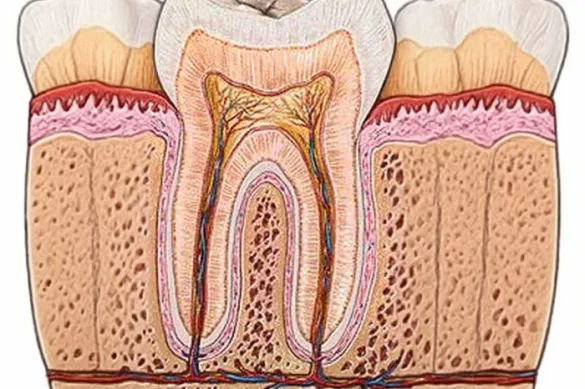
Our enamel are essential for each day feature, supporting us eat, speak, and smile confidently. While the shiny, white crown of every teeth is without difficulty seen, a whole lot of a teeth’s electricity and balance comes from the foundation, that’s hidden under the gum line. Understanding what the foundation of the teeth is product of is essential for everyone inquisitive about dental health. This expertise explains now no longer simplest the teeth’s resilience however additionally why worrying for the complete teeth—seen and hidden—is so important.
An Overview of Tooth Structure
The human teeth includes important parts: the crown and the foundation. The crown is the seen element above the gum, whilst the foundation anchors the teeth firmly withinside the jawbone under the gum line. Both sections are constructed from distinct tissues, every with a awesome feature. The root’s shape guarantees each the electricity and sensitivity of our enamel, gambling a essential function in oral health.
What Covers the Root: Cementum
Unlike the crown, that’s blanketed through tooth (the toughest substance withinside the body), the foundation is blanketed through a tissue known as cementum. Cementum is a difficult, bone-like material. Its number one feature is to cowl the foundation and assist it anchor withinside the jaws. Cementum isn’t always as difficult or as long lasting as tooth, however it fulfills a unique function: it permits tiny fibers from the periodontal ligament to attach, securing every teeth in its socket withinside the jawbone. Without cementum, our enamel might now no longer be as firmly held in place, main to instability and loss.
Just Below the Surface: Dentin
The subsequent layer under the cementum is dentin. Dentin paperwork the majority of each the crown and root of every teeth. It is a yellowish, difficult tissue this is truly softer than tooth however more difficult than bone. Dentin includes microscopic tubules—tiny channels—which could transmit sensations from the outdoor of the teeth to the internal pulp. This feature explains why exposing dentin (from harm or decay) results in sensitivity and discomfort. Dentin’s shape affords guide to the extra fragile cementum, ensuring the foundation can face up to each day pressures from chewing and grinding.
The Core of the Root: Pulp
At the middle of each teeth, going for walks down into the foundation, lies the pulp. The pulp is smooth tissue made of nerves, tiny blood vessels, and connective tissue. Inside the foundation, the pulp is observed inside small channels known as root canals. Blood vessels withinside the pulp deliver vitamins and oxygen that preserve the teeth alive, whilst nerves offer sensations, which include ache, heat, and cold. The root pulp connects immediately to the body’s circulatory and anxious structures via tiny openings at the foundation tip. If micro organism attain the pulp, contamination can develop, main to ache and on occasion requiring strategies which includes root canals to keep the teeth.
The Periodontal Ligament: The Tooth’s Suspension System
Surrounding the foundation and attaching it to the jawbone is the periodontal ligament. This skinny however difficult layer of connective tissue works like a shock-soaking up cushion, preserving the teeth securely in its socket and shielding it from the strain and effect of normal use. The ligament’s fibers run from the cementum on the foundation to the bone socket, making sure balance whilst additionally taking into consideration tiny moves that assist save you fracture beneathneath force. The fitness of this machine is important for preserving enamel anchored and practical in the course of life.
The Jawbone: Foundation for the Roots
The alveolar bone, which paperwork the jaw, includes sockets for every teeth. The root is encased inside this bone, with the periodontal ligament appearing because the connecting tissue. The interplay among root, cementum, ligament, and bone paperwork the robust basis essential for chewing, biting, and grinding meals efficaciously and safely.
Gums: The Protective Barrier
The gums (gingiva) are the tender tissues that cowl and seal the vicinity across the enamel and root. Healthy gums create a decent barrier that facilitates save you micro organism and particles from getting into the areas across the root. When gums recede, the foundation floor will become exposed, making it prone to decay, sensitivity, and similarly dental problems.
Variations in Tooth Roots
Not all enamel have the identical kind or range of roots. Incisors and dogs typically have a unmarried root, whilst premolars and molars normally have or greater roots. The shape and range of roots are decided via way of means of function: molars, which deal with the best chewing force, have greater robust, multi-root structures for extended support.
Why Understanding Root Composition Matters
Knowing what the foundation is made from is critical for stopping and dealing with oral diseases. Damage to cementum, for example, can cause the loosening of enamel. If dentin is exposed (because of gum recession or decay), sensitivity and pain can result. Injury or contamination of the pulp frequently reasons intense ache and, if untreated, can also additionally require complicated dental procedures. Periodontal disorder assaults the ligament or surrounding bone, ensuing in teeth instability or loss if now no longer controlled promptly.
Protecting and Maintaining Healthy Tooth Roots
A healthful smile is constructed on healthful roots, which require constant care:
- Brush and floss to save you plaque buildup on the gum line, that could have an effect on each the foundation and ligament.
- Visit your dentist frequently for checkups and cleanings to seize early symptoms and symptoms of root or gum problems.
- Wear a mouthguard at some point of sports activities to save you trauma to roots from effect.
- Avoid behavior like chewing ice or tough objects, that could fracture roots or reveal touchy dentin.
- Maintain a balanced eating regimen to guard bone fitness, which helps the roots.
Conclusion
The root of the enamel, composed of cementum, dentin, and pulp, performs a foundational function in oral health. These systems make sure the enamel is anchored, nourished, and protected. Understanding the anatomy and significance of the enamel root permits us to higher admire the want for true oral hygiene and ordinary dental care. Protecting the hidden a part of the enamel is simply as important as being concerned for the seen crown, making sure lifelong dental electricity and comfort.
Frequently Asked Questions
What is cementum and why is it important?
Cementum is a tough tissue masking the basis of the enamel. It anchors the enamel in location with the aid of using permitting attachment of the periodontal ligament.
Can enamel roots heal themselves whilst damaged?
Unlike enamel, cementum and dentin have a restricted capacity to restore minor damage. Severe harm or contamination may also require dental intervention.
Why does it harm whilst enamel roots are exposed?
Roots are touchy due to the fact they comprise dentin and once in a while the pulp, each of that can transmit sensations like heat, cold, and ache.
What occurs if the pulp within the root receives inflamed?
An inflamed pulp can reason excessive ache and can cause an abscess. Root canal remedy is regularly vital to get rid of the contamination and store the enamel.
How can I exceptional defend my enamel roots?
Maintain true oral hygiene, see your dentist regularly, keep away from trauma for your teeth, and are seeking for dental care in case you note gum recession or sensitivity.