


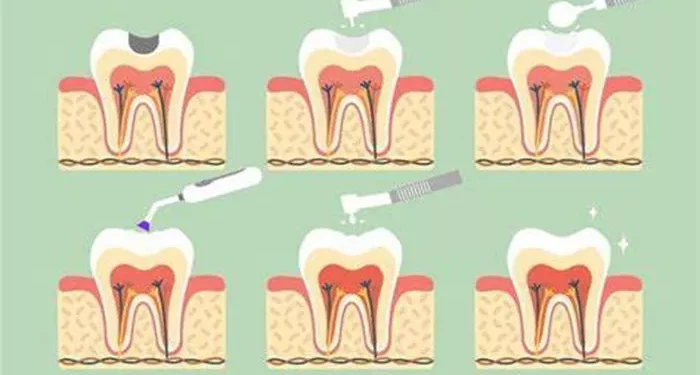
White fillings, known scientifically as composite resin fillings, have revolutionized modern dentistry by offering an aesthetic alternative to traditional silver amalgam fillings. As patients increasingly prioritize both oral health and cosmetic appearance, these tooth-colored restorations have become the gold standard for cavity treatment. This comprehensive guide explores everything you need to know about white fillings – from their composition and benefits to the procedure and long-term care.
What Are White Fillings?
Material Composition
Modern composite resins contain:
- Plastic resin matrix (bis-GMA or UDMA)
- Glass or quartz filler particles
- Silane coupling agents
- Photoinitiators for light curing
- Multiple shade options for matching
Key Characteristics
Important properties:
- Natural tooth-colored appearance
- Chemical bond to tooth structure
- Moderate durability (5-10 years)
- Mercury-free formulation
- Conservative tooth preparation
Advantages Over Amalgam Fillings
Aesthetic Benefits
Visual improvements:
- Virtually invisible restoration
- Multiple shade matching options
- No dark tooth discoloration
- Ideal for front teeth
- Preserves natural smile
Clinical Advantages
Functional benefits:
- Bonds directly to tooth structure
- Requires less tooth removal
- Strengthens remaining tooth
- Repairable if damaged
- No metal expansion/contraction
The White Filling Procedure
Step 1: Preparation
Initial clinical steps:
- Local anesthesia administration
- Tooth isolation with rubber dam
- Decay removal with precision
- Tooth surface conditioning
- Acid etching for bonding
Step 2: Placement
Filling application:
- Bonding agent application
- Layered resin placement
- Light curing each layer
- Contouring to proper shape
- Occlusal adjustment
Step 3: Finishing
Final touches:
- High polish surface
- Floss testing contacts
- Bite verification
- Post-op instructions
- Follow-up scheduling
Types of White Filling Materials
Conventional Composites
Standard options:
- Hybrid composites
- Microfilled composites
- Nanofilled composites
- Packable composites
- Flowable composites
Advanced Formulations
Recent innovations:
- Bulk-fill composites
- Self-adhering composites
- Antibacterial composites
- Bioactive materials
- Smart composites
Ideal Cases for White Fillings
Best Applications
Optimal uses:
- Small to medium cavities
- Front teeth restorations
- Visible tooth surfaces
- Patients with metal allergies
- Children’s primary teeth
Less Suitable Situations
Potential limitations:
- Very large restorations
- High stress-bearing areas
- Patients with heavy bite forces
- Difficult isolation cases
- Subgingival cavity margins
Durability and Longevity
Expected Lifespan
Average performance:
- 5-7 years for posterior teeth
- 7-10 years for anterior teeth
- Varies by oral habits
- Depends on material quality
- Affected by maintenance
Comparison to Alternatives
Material longevity:
- Amalgam: 10-15 years
- Gold: 15+ years
- Ceramic: 10-15 years
- Glass ionomer: 5 years
Cost Considerations
Price Factors
Cost variables:
- Number of surfaces
- Tooth location
- Material selection
- Geographic region
- Dentist experience
Insurance Coverage
Typical reimbursement:
- 50-80% of composite fees
- Often lower than amalgam
- Annual maximum limits
- Possible alternative benefits
- Cosmetic exclusions
Pediatric Applications
Children’s White Fillings
Special considerations:
- Primary tooth adaptations
- Behavior management
- Smaller restoration size
- Preventive emphasis
- Parental involvement
Advantages for Kids
Benefits include:
- Aesthetic appearance
- Mercury-free composition
- Conservative preparation
- Positive dental experiences
- Easier monitoring
Aftercare and Maintenance
Immediate Post-Op Care
First 24 hours:
- Avoid chewing hard foods
- Monitor bite alignment
- Expect mild sensitivity
- Maintain normal hygiene
- Report any discomfort
Long-Term Preservation
Maximizing longevity:
- Excellent oral hygiene
- Regular dental checkups
- Night guards if recommended
- Avoid nail biting
- Limit staining foods
Potential Complications
Common Issues
Occasional problems:
- Post-op sensitivity
- Marginal staining
- Wear over time
- Chipping at edges
- Secondary decay
Prevention Strategies
Risk reduction:
- Proper isolation during placement
- Excellent bonding technique
- Adequate light curing
- Regular professional evaluations
- Patient education
Conclusion
White fillings represent a significant advancement in restorative dentistry, successfully combining aesthetic appeal with clinical functionality. While not ideal for every situation, composite resins have become the material of choice for most cavity treatments due to their natural appearance, bonding capabilities, and improved durability. Patients appreciate the invisible repair of decayed teeth, while dentists value the conservative tooth preparation and repairability of these restorations.
Proper case selection, meticulous placement technique, and good patient maintenance all contribute to the long-term success of white fillings. As material science continues to advance, we can expect even better performance from future generations of tooth-colored restorative materials. If you’re considering white fillings for your cavities, consult with your dentist to determine if they’re the right solution for your specific dental needs and oral environment.