


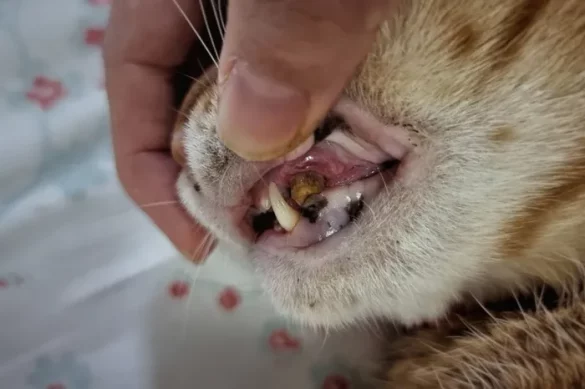
Periodontal disease is a serious and widespread problem for cats, affecting up to 90% of felines over the age of four. If your cat is diagnosed with periodontal disease, it’s important to take action quickly to prevent pain, tooth loss, and other related health issues. Understanding the disease, recognizing symptoms, knowing how it is treated, and learning to prevent its recurrence can go a long way to ensuring your cat’s overall wellness.
What Is Periodontal Disease in Cats?
Periodontal disease is an inflammatory condition of the gums and the tissues supporting the teeth. It develops when food particles and bacteria accumulate along the gumline, forming a sticky film called plaque. Over time, this plaque hardens due to minerals in saliva and becomes tartar (calculus). Tartar buildup leads to irritation, inflammation of the gums (gingivitis), and eventually, separation of the gums from the teeth. As the disease progresses, the supporting tissues are destroyed, which can result in tooth loss and pain.
There are several stages of periodontal disease in cats:
- Stage 1: Gingivitis — Reversible gum inflammation without loss of tooth attachment.
- Stage 2: Early Periodontitis — Up to 25% loss of the ligament that supports the tooth.
- Stage 3: Moderate Periodontitis — 25%-50% attachment loss; extraction may be necessary.
- Stage 4: Advanced Periodontitis — More than 50% attachment loss; multiple extractions are likely.
Signs That Your Cat Might Have Periodontal Disease
It can be difficult to detect periodontal disease in its early stages because cats are often skilled at hiding pain and discomfort. Still, certain signs may indicate a dental problem, such as:
- Bad breath (halitosis)
- Red, swollen, or bleeding gums
- Visible yellow or brown tartar on teeth
- Loose or missing teeth
- Difficulty eating or loss of appetite
- Drooling or dropping food
- Pawing at the mouth or rubbing the face
- Favoring one side of the mouth while eating
Cats may also simply become irritable or withdrawn when their mouths hurt. Changes in eating habits, preference for soft food, or avoidance of play that uses the mouth can also be clues.
Why Prompt Action Is Critical
Periodontal disease in cats is a progressive condition. While early gingivitis can be reversed with prompt care, later stages are irreversible and can only be managed, not cured. Untreated disease can lead to tooth loss, severe mouth pain, difficulty eating, and further health complications. Bacteria from the mouth can even spread to vital organs like the heart, kidneys, or liver.
How Vets Diagnose Periodontal Disease
If you notice signs of dental disease in your cat, schedule a veterinary visit as soon as possible. The vet will conduct an oral examination and may recommend blood tests to check for underlying conditions, as periodontal disease is more likely in cats with problems like feline leukemia virus or chronic kidney disease.
A thorough dental examination usually requires anesthesia, as most dental damage occurs below the gumline and is not visible during a simple oral check. Dental X-rays are critical. They help the veterinarian assess how much supporting bone is lost and check for issues like tooth resorption, which is common in cats.
Treatment Options for Periodontal Disease in Cats
Treatment depends on the severity of the disease:
- Mild Gingivitis (Stage 1): A professional dental cleaning under anesthesia may be sufficient. This includes removing plaque and tartar, even beneath the gumline, and polishing the teeth. Home dental care, such as brushing, is recommended for aftercare.
- Periodontitis (Stages 2-4): As the disease advances, more aggressive treatment is needed. This might involve scaling and deep cleaning, followed by the extraction of severely affected, loose, or painful teeth. In severe cases, many or all teeth may need removal. Most cats adapt well, preferring no pain over missing teeth.
- Medications: Antibiotics or pain relievers may be given if there is infection or inflammation after dental procedures.
After treatment, changes in diet (switching to softer foods or dental-specific diets) may help your cat adapt while their mouth heals. Follow all veterinary recommendations carefully after dental procedures.
Home Dental Care: What Can Cat Owners Do?
Once the immediate issues are treated, preventive care becomes crucial. The main goal is to control plaque and reduce bacterial buildup.
- Daily Tooth Brushing: Use only toothbrushes and toothpastes formulated for cats. Human products can be toxic. Introduce brushing slowly—let your cat sniff and taste the toothpaste and reward calm behavior. Over time, many cats accept brushing, especially if started at a young age.
- Dental Treats and Chews: Some treats are designed to reduce tartar. Look for products approved by the Veterinary Oral Health Council.
- Special Diets: Some veterinary diets are proven to help reduce plaque and tartar due to larger kibble or unique textures that scrape teeth as cats chew.
- Water Additives and Oral Rinses: Your vet may recommend these to help reduce bacterial load in your cat’s mouth.
If your cat resists tooth brushing, talk to your veterinarian about other safe options; never force a cat or use inappropriate products.
Preventing Recurrence: Long-Term Care Strategies
- Regular Veterinary Checkups: Annual or twice-yearly visits are important for monitoring dental health. Cats with a history of dental problems may need even more frequent checks.
- Routine Professional Cleanings: Just as with people, professional dental cleanings are the best way to ensure thorough care, especially for removing tartar below the gumline.
- Control Systemic Illnesses: Manage any chronic illnesses that may increase risk, such as feline leukemia, immunodeficiency, or diabetes.
- Vaccinate for Preventable Diseases: Some viruses that lead to oral inflammation are preventable with vaccines.
Conclusion
Periodontal disease in cats is common, painful, and progressive, but it need not ruin your cat’s quality of life. Early detection, prompt veterinary care, and consistent at-home dental hygiene can prevent or manage the condition effectively. Schedule regular vet appointments, brush your cat’s teeth if possible, utilize approved dental products, and act quickly if you notice signs of mouth pain or dental disease in your feline friend. Your cat’s comfort and health can be safeguarded with the right knowledge and proactive care.
FAQs
What are the first signs of periodontal disease in cats?
Bad breath, red or swollen gums, and visible tartar buildup are early signs. As the disease advances, you might notice loose teeth or difficulty eating.
Can I treat my cat’s periodontal disease at home?
While daily care is crucial, established periodontal disease always requires professional veterinary treatment. Only a vet can safely remove tartar beneath the gumline and extract affected teeth.
How often should my cat get professional dental cleanings?
Most cats benefit from annual dental checkups and cleanings, but cats with a history of gum disease may need more frequent care.
Is it safe for my cat to lose teeth due to extractions?
Yes. Cats adjust quickly to tooth loss. They experience less pain and often eat and play better afterward.
Can periodontal disease in cats be prevented?
Many cases can be prevented or minimized with daily tooth brushing, dental diets or treats, and regular veterinary dental care.