


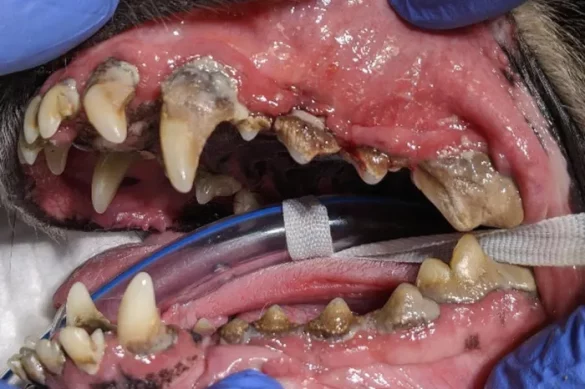
Periodontal disease is a common yet serious oral health problem in dogs. This condition can affect your pet’s quality of life and even impact their overall health. By understanding the signs, treatments, and preventive measures, you can ensure a happier and healthier life for your canine companion.
Understanding Periodontal Disease in Dogs
Periodontal disease, also known as gum disease, is an infection in your dog’s mouth caused by bacteria. These bacteria collect on the teeth and gums, eventually forming a sticky layer called plaque. If plaque is not removed, it hardens into tartar within a few days. Tartar causes irritation and inflammation of the gums, beginning with gingivitis — the earliest stage of periodontal disease. As the disease progresses, the next stages involve breakdown of the tissues and structures that support the teeth. This can result in gum recession, tooth loss, and even exposure of the teeth roots.
Key Signs of Periodontal Disease
Periodontal disease is often hard to detect in its early stages. Dogs are good at hiding pain or discomfort. Still, there are warning signs you might notice:
Discolored Teeth and Bad Breath
Discoloration, such as yellow or brown teeth, is a common sign. Bad breath is another clear indicator of oral infection.
Inflamed or Bleeding Gums
If your dog’s gums look red, swollen, or bleed easily, it may be due to the inflammation caused by gum disease. You might also see blood on chew toys or in the water bowl.
Loose or Missing Teeth
Advanced stages of periodontal disease can weaken the attachment between teeth and gums, causing teeth to loosen or fall out.
Eating Difficulties and Weight Loss
Dogs with painful mouths may drop food, favor one side when chewing, or lose interest in eating. This can result in weight loss or signs of discomfort while eating.
Excessive Drooling and Irritability
Some dogs drool more than usual as a response to oral pain. They may also become irritable or less interested in playing.
Causes of Periodontal Disease in Dogs
The main cause of periodontal disease is a buildup of bacteria in the mouth. Contributing factors include:
Poor Oral Hygiene
Neglecting routine tooth brushing and dental care lets plaque and tartar accumulate, leading to gum infection.
Diet and Nutrition
Poor nutrition can encourage bacterial growth. Feeding a healthy diet supports overall well-being and stronger gums.
Genetics and Dental Structure
Certain breeds with crowded teeth, or dogs with misaligned teeth, are at higher risk because their mouths trap food and bacteria more easily.
Other Factors
Poor grooming habits, unclean toys, or self-licking can transfer bacteria to the mouth, raising the risk of disease.
What to Do if Your Dog Has Periodontal Disease
If you suspect your dog has periodontal disease, early action is important. Here are the steps you should take:
Schedule a Veterinary Check-Up
The first and most important step is to see your veterinarian for a dental evaluation. Only a professional can properly diagnose the stage of gum disease. Your vet may recommend blood work and dental X-rays to check for further health concerns and to plan the safest treatment approach.
Professional Dental Cleaning
Most dogs with periodontal disease require a thorough dental cleaning under anesthesia. This allows the vet to clean above and below the gumline, where harmful bacteria and tartar hide. The procedure usually includes:
- Pre-anesthesia blood tests to ensure your dog is healthy enough for the drugs
- Continuous monitoring and support during anesthesia
- Scaling and polishing teeth
- Flushing (lavage) to clean gum pockets
- Extractions, if teeth are severely damaged or infected
- Pain management during and after the procedure
This process helps restore oral health, remove sources of pain, and prevent the spread of infection.
At-Home Dental Care
Follow your veterinarian’s guidance for home care after dental procedures. Typical at-home measures include:
- Giving prescribed medication for pain and infection
- Feeding soft food if recommended
- Gently brushing teeth once permitted by your vet (using a toothpaste made for dogs)
- Avoiding hard toys or treats that could injure healing gums
Preventing Future Periodontal Disease
Prevention is key to reducing the risks and long-term problems of periodontal disease. Here’s what you can do:
Daily Tooth Brushing
Brush your dog’s teeth daily with a soft brush and toothpaste designed for dogs. Never use human toothpaste. Regular brushing keeps plaque from building up and helps remove food particles.
Use Dental Chews and Special Diets
Quality dental chews and veterinary-recommended diets can help control plaque and tartar when used as a supplement to brushing. Look for products approved by veterinary dental associations.
Regular Veterinary Exams
Schedule dental check-ups with your vet at least once or twice a year. Professional cleanings are more effective than anything you can do at home.
Safe Chew Toys and Good Oral Hygiene Habits
Choose toys that help with dental cleaning but are safe and not too hard. Maintain clean food and water bowls, and ensure your dog’s grooming habits do not encourage additional bacteria in the mouth.
Watch for Early Warning Signs
Pay attention to any changes in your dog’s eating, chewing, or behavior. Early detection makes it easier to treat and can prevent advanced disease.
Why Timely Treatment Matters
Periodontal disease not only causes oral pain but may also impact your dog’s heart and major organs if left untreated. Bacteria from the mouth can enter the bloodstream and cause infections elsewhere in the body. That is why promptly addressing dental issues is so important for your dog’s health as a whole.
Conclusion
Periodontal disease is common among dogs but can be prevented and treated by pet owners who are proactive. Understanding the signs, seeking professional care, and maintaining daily oral hygiene are your main defenses. With good dental care and routine veterinary guidance, you can protect your dog from the pain and complications of periodontal disease, ensuring a better quality of life for years to come.
FAQs About Periodontal Disease in Dogs
What are the earliest signs of periodontal disease in dogs?
Bad breath, swollen gums, and yellow-brown buildup on teeth are early warning signs.
Can I treat my dog’s periodontal disease at home?
Mild cases may improve with better oral hygiene, but advanced disease requires professional veterinary care.
How often should my dog see the vet for dental check-ups?
Twice a year is best for most dogs, but your vet may recommend more frequent visits for high-risk pets.
Are certain breeds more likely to get gum disease?
Yes, smaller breeds and those with crowded teeth are more prone to periodontal disease.
What is the best way to prevent periodontal disease in dogs?
Brush your dog’s teeth daily, provide safe dental chews, and schedule regular veterinary dental exams.