


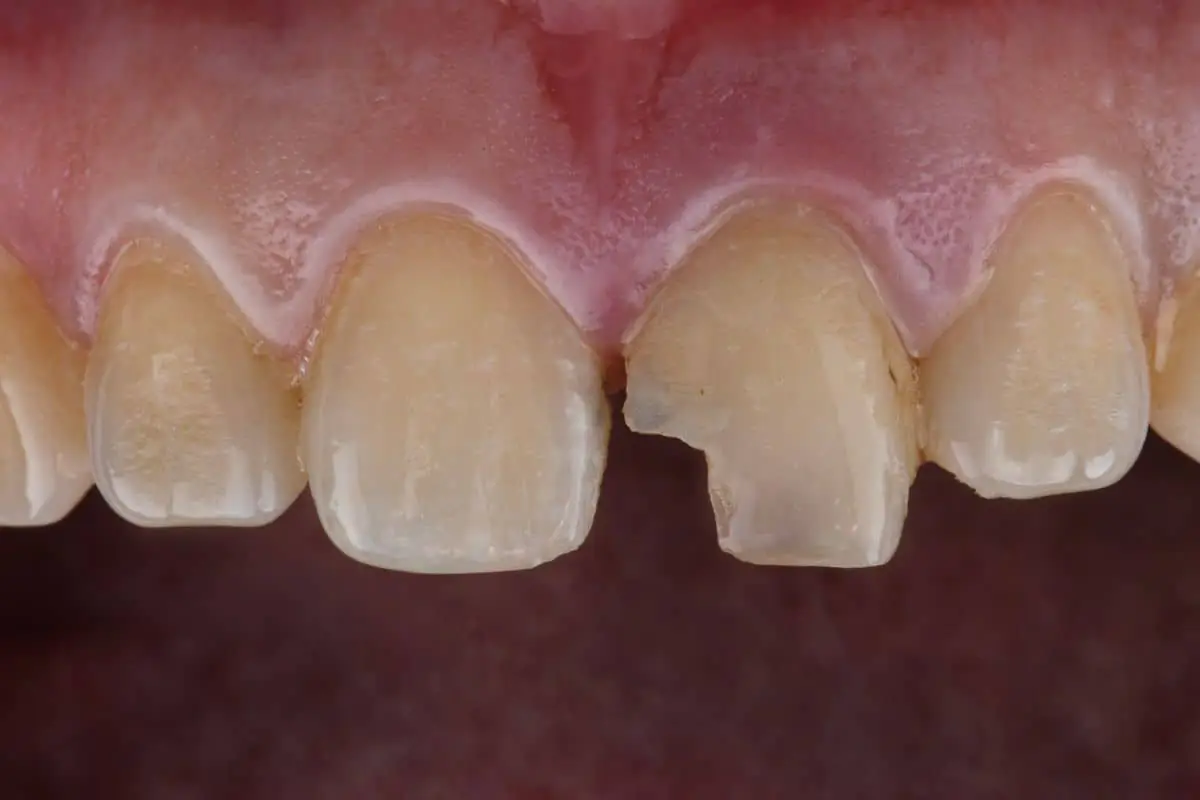
A chipped tooth can happen to anyone, often when you least expect it. Whether it’s due to biting down on something hard, a fall, or an unexpected impact, a chipped tooth is not only a cosmetic concern but can also lead to more severe dental issues if left untreated. At [Dentist’s Name] in Katy, we understand the anxiety that comes with damaging a tooth, and we’re here to provide the care and guidance you need to restore your smile.
In this comprehensive guide, we’ll walk you through everything you need to know about chipped teeth, from the causes and symptoms to the treatment options available. We’ll also provide tips on how to prevent tooth chips and what to do if you find yourself with a chipped tooth.
Causes of a Chipped Tooth
1. Accidents and Trauma
One of the most common causes of a chipped tooth is physical trauma. This can happen during sports activities, car accidents, or simply from a slip and fall. Even a minor impact can sometimes be enough to cause a chip, especially if the tooth has been weakened by decay or previous dental work.
2. Biting Hard Objects
Many people have chipped their teeth by biting down on something hard like ice, hard candy, or even an unpopped popcorn kernel. Teeth are strong, but they’re not indestructible. Applying too much force on a single tooth can easily cause it to chip.
3. Tooth Decay
Tooth decay weakens the structure of your teeth, making them more susceptible to chipping. Cavities can create weak spots in the enamel, and these areas are often the first to break when exposed to stress or pressure.
4. Bruxism (Teeth Grinding)
Bruxism, or teeth grinding, is a condition where you unconsciously grind or clench your teeth, usually while sleeping. Over time, this can wear down the enamel and lead to chipping or cracking.
5. Poor Dental Hygiene
Neglecting your oral hygiene can lead to weakened enamel, increasing the likelihood of chipping. Regular brushing, flossing, and dental checkups are essential in maintaining the strength of your teeth.
Symptoms of a Chipped Tooth
Sometimes, a chipped tooth is immediately noticeable, but in other cases, the damage may be subtle. Here are some common symptoms to look out for:
- Sharp or Jagged Edges: If your tooth feels rough or has sharp edges, it may be chipped.
- Sensitivity: Increased sensitivity to hot or cold foods and drinks can indicate a chipped tooth, especially if the dentin layer beneath the enamel is exposed.
- Pain: You might experience pain when chewing or biting down on food, particularly if the chip has reached the nerve of the tooth.
- Visible Damage: A visible crack or missing piece of tooth is a clear sign of a chip.
Why You Shouldn’t Ignore a Chipped Tooth
Ignoring a chipped tooth can lead to more serious dental issues over time. Here are a few reasons why it’s important to address the problem promptly:
1. Increased Risk of Infection
A chipped tooth can expose the inner layers of the tooth, including the pulp, to bacteria. This increases the risk of infection, which can lead to abscesses, severe pain, and even tooth loss if not treated.
2. Further Damage
Once a tooth is chipped, it becomes more vulnerable to further damage. The sharp edges can cause additional wear on the surrounding teeth, or the chip may worsen into a larger crack.
3. Aesthetic Concerns
A chipped tooth can affect the appearance of your smile, which may impact your confidence. Fortunately, there are various cosmetic treatments available to restore the look of your teeth.
Treatment Options for a Chipped Tooth
The treatment for a chipped tooth depends on the severity of the damage. Here are some common options:
1. Dental Bonding
Dental bonding is often the first line of treatment for minor chips. In this procedure, a tooth-colored resin is applied to the chipped area, shaped to match the natural contour of your tooth, and then hardened with a special light. Bonding is a quick and cost-effective solution that can last for several years with proper care.
2. Dental Veneers
For chips that affect the front teeth, veneers are a popular option. A veneer is a thin, custom-made shell that covers the front surface of the tooth, masking any imperfections. Veneers are durable and provide a natural appearance, making them ideal for restoring your smile.
3. Dental Crowns
If the chip is more significant and has compromised the strength of the tooth, a dental crown may be necessary. A crown is a cap that covers the entire tooth, providing protection and restoring its function and appearance. Crowns are typically made from porcelain or ceramic, which closely resemble the look of natural teeth.
4. Root Canal Therapy
In cases where the chip has reached the pulp of the tooth and caused nerve damage, a root canal may be required. This procedure involves removing the damaged nerve and pulp, cleaning the inside of the tooth, and then sealing it. After a root canal, a crown is often placed on the tooth for added protection.
5. Tooth Extraction
In severe cases where the tooth is extensively damaged and cannot be saved, extraction may be the only option. After extraction, you can consider options like dental implants or bridges to replace the missing tooth.
Preventing Chipped Teeth
While accidents can’t always be avoided, there are steps you can take to reduce the risk of chipping a tooth:
- Avoid Biting Hard Objects: Steer clear of chewing on ice, hard candy, and other tough objects that can damage your teeth.
- Wear a Mouthguard: If you play sports, especially contact sports, wearing a mouthguard can protect your teeth from injury.
- Treat Bruxism: If you grind your teeth, talk to your dentist about getting a night guard to prevent damage.
- Maintain Good Oral Hygiene: Regular brushing, flossing, and dental checkups keep your teeth strong and less prone to chipping.
- Eat a Balanced Diet: A diet rich in vitamins and minerals supports strong teeth and overall oral health.
What to Do If You Chip a Tooth
If you chip a tooth, it’s important to take action quickly:
- Rinse Your Mouth: Clean the area with warm water to remove any debris.
- Apply Pressure for Bleeding: If there’s bleeding, apply gentle pressure with a piece of gauze.
- Save the Chip: If possible, save the chipped piece of tooth and bring it with you to the dentist.
- Avoid Using the Tooth: Try not to chew on the affected tooth until it’s repaired.
- See a Dentist Immediately: Contact your dentist as soon as possible to schedule an appointment.
Conclusion
A chipped tooth is a common dental issue that can be both painful and concerning. However, with prompt treatment and proper care, you can restore your tooth and prevent further complications. At Avalon Dental Group in Katy, we’re here to help you maintain a healthy, beautiful smile. If you’ve chipped a tooth, don’t hesitate to reach out to us for expert care and guidance.