


Losing a cavity filling can be a stressful experience for anyone. It may cause discomfort, sensitivity, or even pain. More importantly, an unprotected tooth is at risk for further damage and infection. Knowing what to do when your filling falls out is crucial to protect your dental health until you can see a professional.
Understanding Why Fillings Fall Out
Dental fillings are designed to repair teeth and protect them from further decay. However, they are not permanent. Common reasons fillings fall out include aging materials, biting down on hard foods, new or progressing decay under the filling, or breakdown of the bonding due to saliva or wear. Fillings placed many years ago are especially vulnerable as materials reach the end of their lifespan.
Immediate Steps to Take When a filling falls out
Clean The Area Gently
Once you realize your filling has fallen out, the first step is to keep the area clean. Food particles and bacteria can quickly enter the exposed cavity, increasing the risk of infection or further decay. Rinse your mouth gently with warm salt water. This helps disinfect the area and removes debris. Brush your teeth softly, avoiding harsh pressure or abrasive toothpaste near the affected tooth.
Avoid Eating on the Affected Side
The tooth without a filling is weaker and more sensitive. To prevent further damage, do not chew hard, crunchy, or sticky foods on that side. Prefer soft foods until your tooth is treated. Avoid extremely hot or cold items, which can cause severe sensitivity.
Use a temporary filling If Needed
Temporary dental materials are available over the counter at most pharmacies. These kits can offer short-term protection by sealing the cavity from bacteria, debris, and air. Look for temporary fillers that contain zinc oxide, which is safe and effective. Follow the instructions on the package carefully. Remember, this is only a stopgap until you visit your dentist.
Manage pain or sensitivity
If you feel pain or heightened sensitivity, over-the-counter pain relievers can be beneficial. Non-prescription medications like acetaminophen or ibuprofen can help lower discomfort. Applying a cold compress on the cheek near the affected area may also reduce swelling or pain. But do not place aspirin directly onto the gum or tooth; this can burn the tissue.
Why Prompt Dental Treatment Matters
A lost filling leaves a gap in the tooth, which can collect bacteria quickly. Without prompt dental attention, the tooth is at risk for further decay, cracks, or even loss. Early treatment improves your chances of a successful and straightforward restoration. Delaying professional care may result in more complex and costly procedures, such as root canal treatments or crowns.
What Happens at the Dentist’s Office?
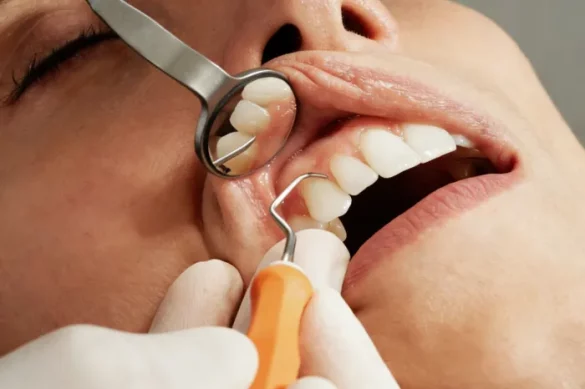
During your emergency dental appointment, the dentist will first examine your tooth and take an X-ray if needed. They will determine if any decay or damage has occurred since your last filling. If so, this will be cleaned before a new filling is placed.
Dentists now offer various filling materials, so this is a good time to discuss which type might best suit your needs in terms of durability and aesthetics.
What NOT to Do
It’s important to avoid certain things when your filling falls out:
- Do not attempt to superglue or fix the filling yourself with household materials. This can damage your tooth further and complicate dental treatment.
- Do not ignore the problem. Even if you have no pain, bacteria can enter and cause decay.
- Avoid acidic, sugary, or extremely hot or cold foods and drinks, as these can worsen pain and damage.
Preventing Fillings from Falling Out in the Future
You can minimize the chances of losing a filling by following some key oral health habits:
- Maintain regular dental checkups, so your dentist can check and monitor the state of your fillings.
- Avoid chewing on hard objects like ice, hard candy, or pens.
- Brush and floss every day to prevent new decay around fillings.
- Consider wearing a mouthguard at night if you grind your teeth, as this can weaken dental restorations over time.
Frequently Asked Questions
How soon should I see a dentist after losing a filling?
You should schedule an appointment as soon as possible, ideally within a few days. Prompt care reduces the risk of pain, infection, or further damage.
Is it safe to eat with a lost filling?
Stick to soft foods and avoid chewing on the affected side. Hard, crunchy, or sticky foods can worsen the damage.
Will a temporary filling last until my appointment?
Temporary fillings provide short-term protection but are not a replacement for professional care. They typically last a few days, just enough to keep the tooth safe until you see the dentist.
Can I leave a lost filling untreated if there’s no pain?
No. Even without pain, bacteria can enter the cavity, risking infection, decay, or tooth fracture. Always seek dental advice promptly.
Conclusion
Losing a cavity filling is an urgent dental issue, but by acting quickly you can protect your tooth and avoid more serious problems. clean the area, use a temporary fix if available, manage discomfort, and see your dentist as soon as possible. With today’s dental treatments, replacing a lost filling is a straightforward procedure. Early action ensures the best outcome for your tooth and your overall dental health.