


Many adults wonder if being 27 years old is too late for wisdom teeth removal. After all, most people hear that wisdom tooth extraction is recommended during the late teens or early twenties. Recent research and expert advice show that wisdom teeth can be removed successfully at 27. However, there are some factors to consider to ensure the best outcomes. This article will explore the timing, the risks, and the benefits of wisdom teeth removal at this age, alongside details on the clinical decision-making process and practical recommendations.
Understanding Wisdom Teeth and Typical Extraction Ages
Wisdom teeth, also called third molars, usually emerge between ages 17 and 25. Many dentists recommend removing them during these years. At this point, wisdom teeth roots have not fully formed, so extraction is simpler and recovery tends to be faster. Young adults often experience fewer complications. The main reason for early removal is to prevent issues like infection, pain, and impaction.
Why Later Wisdom Tooth Removal Is Considered
For some individuals, wisdom teeth do not cause problems in their teens or early adulthood. Dentists may decide to leave the teeth in place if they appear healthy and are not affecting other teeth. However, wisdom teeth can develop issues later on. Even at age 27, you may begin to experience symptoms such as pain, swelling, or infection. In such cases, removal might become necessary.
Common Problems Leading to Adult Extraction
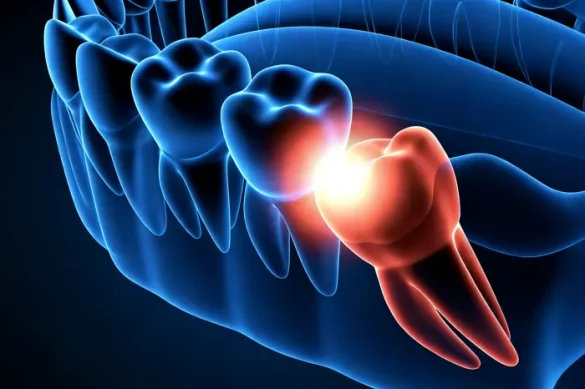
wisdom teeth can become impacted, meaning they do not have enough room to emerge fully. Impaction increases the risk of infection, tooth decay, gum disease, or cyst formation. Symptoms may include jaw pain, swelling, bleeding gums, or difficulty opening the mouth. In these cases, delaying extraction can worsen oral health outcomes.
Is 27 Too Old for Wisdom Teeth Removal?
So, is age 27 considered too old for wisdom teeth removal? Evidence from dental experts says no. While earlier removal is often easier, extraction at 27 is still possible and safe, especially if complications have developed. The critical factors are the presence of symptoms, the position of the teeth, and overall health status.
Surgical Challenges for Older Patients
As people age, bones tend to become denser, and the roots of wisdom teeth grow longer. This can make surgery more complex than in teenagers or young adults. Oral surgeons need extra skill to avoid nerve damage, particularly as tooth roots may be closer to jaw nerves. Sometimes, dental imaging (like x-rays) is required before surgery to assess the location and determine possible risks.
Benefits of Removing Wisdom Teeth at 27
If wisdom teeth are causing pain, infection, or other dental problems, removal is advisable, regardless of age. Taking action quickly prevents damage to nearby teeth, gums, and even jawbone. Eliminating infected or impacted teeth reduces the risk of cysts and long-term oral complications. Patients at 27 still recover well, though healing can sometimes take slightly longer than in younger patients.
Recovery and Healing
Younger individuals—such as those in their late teens or early twenties—typically recover from wisdom teeth extractions within three to four days. Adults in their late twenties may need a week or more, depending on the complexity of the procedure and their personal health. Swelling, bruising, and discomfort may persist slightly longer. Following your oral surgeon’s instructions for pain management, hygiene, and rest is key to a smooth recovery.
Risks Associated with Later Wisdom Tooth Extraction
While complication rates are generally low with modern oral surgery techniques, patients in their late twenties should be aware of increased risks. Longer tooth roots and harder jawbones may mean:
Higher Risk of Nerve Involvement
When tooth roots are close to nerves, surgical removal carries a greater chance of nerve bruising. This can cause numbness, tingling, or pain, which usually resolves over time but may persist in rare cases.
More Challenging Surgery
Oral surgeons may need to break the tooth into smaller pieces or work around entangled nerves and dense bone. This can extend the surgery time and increase the technical difficulty.
Slower Recovery
Older adults may experience swelling, bruising, and pain for a week or more. Work or daily activities may be affected, and you might need support during your recovery period.
Proactive Steps for Patients Considering Extraction at 27
If you are experiencing symptoms related to your wisdom teeth at age 27, do not delay a consultation. Here are steps you can take:
1. Consult a Qualified oral surgeon
Look for an oral surgeon with experience in wisdom teeth extractions in older patients. Your surgeon should review your medical history, perform dental imaging, and provide an individualized treatment plan.
2. Disclose Medical History
Patients should inform their dental team about any medications, medical conditions, allergies, or supplements they are taking. This helps avoid complications during and after surgery.
3. Follow post-operative instructions
After surgery, careful oral hygiene, rest, and taking recommended pain relief are vital. Report any unusual symptoms to your dentist, like severe pain or signs of infection.
4. Maintain Regular Check-Ups
Even after your wisdom teeth removal, continue regular dental visits. Monitoring overall oral health helps to prevent new problems.
When wisdom teeth May Be Left in Place
Not all wisdom teeth require removal. If the teeth are not causing problems—no pain, swelling, infection, or movement of other teeth—dentists sometimes recommend monitoring them instead of surgery. Routine dental exams are essential to catch any changes early.
Frequently Asked Questions (FAQs)
Is 27 too old for wisdom teeth removal?
No, 27 is not too old. wisdom teeth can be safely removed at any age if they are causing problems or pose risks to oral health.
Will recovery take longer at 27?
recovery may be slightly longer than for younger patients, averaging about a week versus several days for teens or early twenties.
Are complications more likely at 27?
While the risk increases very slightly due to longer tooth roots and denser bone, a skilled oral surgeon can manage these complexities.
Should healthy wisdom teeth be removed at 27?
If wisdom teeth are healthy and symptom-free, they may not need removal. Regular dental checkups and imaging are crucial to monitor their status.
What symptoms suggest wisdom teeth may need to be removed?
Pain, swelling, infection, gum problems, cysts, or movement of other teeth are common reasons to consider extraction.
Conclusion
Being 27 years old is not too late for wisdom teeth removal. While earlier extraction may offer easier surgery and faster recovery, adults can still expect successful outcomes from wisdom teeth surgery when needed. The key is to consult with a skilled oral surgeon, get a thorough examination, and proceed if symptoms or risks are present. By taking informed steps, patients in their twenties, thirties, and beyond can protect their oral health and prevent future complications.