


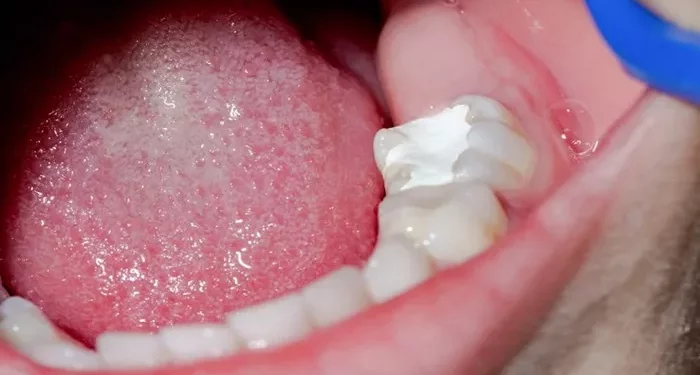
When it comes to dental care, fillings are one of the most common procedures performed by dentists. They are used to restore teeth that have been damaged by decay, trauma, or wear. With various filling materials available, patients often wonder which types of filling is best for their needs. This article will provide a comprehensive overview of the different types of fillings, their benefits and drawbacks, and factors to consider when choosing the right filling.
Understanding Tooth Fillings
Tooth fillings are materials used to fill cavities created by tooth decay. The goal of a filling is to restore the tooth’s shape, function, and integrity. Fillings can also help prevent further decay by sealing off areas where bacteria can enter. The choice of filling material depends on several factors, including the location of the cavity, the extent of decay, and the patient’s preferences.
Types of Tooth Fillings
There are several types of tooth fillings available, each with its unique characteristics. Below is a detailed overview of the most common types of fillings.
1. Amalgam Fillings
Amalgam fillings are made from a mixture of metals, including silver, mercury, tin, and copper. They have been used for over a century and are known for their durability.
Advantages of Amalgam Fillings
Durability: Amalgam fillings are very strong and can withstand the forces of chewing. They are ideal for back teeth, which endure significant pressure.
Cost-Effective: Amalgam fillings are generally less expensive than other types of fillings, making them an affordable option for many patients.
Longevity: With proper care, amalgam fillings can last 10 to 15 years or more.
Disadvantages of Amalgam Fillings
Appearance: Amalgam fillings have a silver color, which may not blend well with natural teeth. This can be a concern for patients who are worried about aesthetics, especially for front teeth.
Mercury Content: Some patients are concerned about the mercury used in amalgam fillings. However, numerous studies have shown that amalgam is safe for dental use.
2. Composite Fillings
Composite fillings are made from a resin material mixed with glass or quartz particles. They are designed to match the color of natural teeth, making them a popular choice for visible areas.
Advantages of Composite Fillings
Aesthetic Appeal: Composite fillings can be color-matched to blend seamlessly with the surrounding tooth structure. This makes them an excellent choice for front teeth.
Bonding: Composite fillings bond well to the tooth, providing additional support and strength.
Versatility: These fillings can be used for small to moderate cavities, as well as for cosmetic repairs.
Disadvantages of Composite Fillings
Durability: While composite fillings are strong, they may not be as durable as amalgam fillings. They can wear down faster, especially in areas subjected to heavy chewing.
Cost: Composite fillings are typically more expensive than amalgam fillings, which may be a consideration for some patients.
3. Glass Ionomer Fillings
Glass ionomer fillings are made from a mixture of acrylic and glass powder. They are often used in areas where aesthetics are not the primary concern, such as below the gum line.
Advantages of Glass Ionomer Fillings
Fluoride Release: One of the unique benefits of glass ionomer fillings is their ability to release fluoride, which can help protect the tooth from further decay.
Bonding: These fillings bond well to the tooth structure, making them suitable for various dental situations.
Aesthetic Appeal: Glass ionomer fillings can be made to match the color of the surrounding teeth, although they may not be as visually appealing as composite fillings.
Disadvantages of Glass Ionomer Fillings
Durability: Glass ionomer fillings are generally less durable than amalgam and composite fillings and may wear down more quickly.
Limited Use: They are usually recommended for areas not subject to heavy chewing pressure, making them less suitable for back teeth.
4. Resin Ionomer Fillings
Resin ionomer fillings combine properties of glass ionomer and composite fillings. They include resin for added strength and durability.
Advantages of Resin Ionomer Fillings
Fluoride Release: Like glass ionomer fillings, resin ionomer fillings release fluoride, offering protection against decay.
Better Aesthetics: They can be made to match the color of the surrounding teeth, making them suitable for visible areas.
Good Bonding: Resin ionomer fillings bond well to the tooth structure, providing a strong seal.
Disadvantages of Resin Ionomer Fillings
Durability: While they are stronger than traditional glass ionomer fillings, they may not match the durability of amalgam or composite fillings.
Cost: Resin ionomer fillings can be more expensive than glass ionomer fillings.
5. Temporary Fillings
Temporary fillings are used as a short-term solution to protect a tooth until a permanent filling can be placed. These fillings are typically made of dental cement or other materials.
Advantages of Temporary Fillings
Quick Application: Temporary fillings can be placed quickly, providing immediate relief and protection.
Cost-Effective: They are often less expensive than permanent fillings, making them suitable for emergency situations.
Disadvantages of Temporary Fillings
Limited Durability: Temporary fillings are not meant to last long and may wear down or come loose over time.
Not for Long-Term Use: They should only be used until a permanent solution is available.
Factors to Consider When Choosing a Filling
Choosing the right filling material is a decision that involves several factors:
Location of the Cavity
The location of the cavity is a significant factor in determining the type of filling. Fillings for back teeth often require more durability, making amalgam or composite options preferable. In contrast, fillings for front teeth prioritize aesthetics, leading to the use of composite materials.
Extent of Decay
The size of the cavity also plays a role in the choice of filling material. Larger cavities may require more robust materials, while smaller cavities can be effectively treated with composite or glass ionomer fillings.
Patient Preferences
Some patients may have specific preferences regarding materials, especially concerning aesthetics, durability, and cost. It is essential for patients to communicate their concerns with their dentist.
Dentist Recommendations
The dentist’s expertise and knowledge of each material’s pros and cons can greatly influence the choice of filling. Dentists often recommend specific materials based on their experience and the patient’s individual needs.
see also: How Much Is a Front Tooth Filling?
The Filling Process
The process for getting a dental filling typically involves several steps:
Initial Examination
The dentist will perform a thorough examination of the tooth, including X-rays if necessary, to assess the extent of decay.
Numbing the Area
To ensure comfort during the procedure, a local anesthetic is administered to numb the area around the affected tooth.
Removing Decayed Material
The dentist will remove the decayed portion of the tooth using a dental drill or laser, cleaning out any debris and bacteria.
Preparing the Tooth
After removing the decay, the dentist will prepare the tooth for the filling material, which may involve cleaning and drying the area.
Placing the Filling
The dentist will place the chosen filling material into the cavity, shaping and smoothing it to ensure a proper fit.
Final Adjustments
Once the filling is in place, the dentist will check the patient’s bite and make any necessary adjustments to ensure comfort and functionality.
Conclusion
Choosing the best type of tooth filling involves understanding the various options available, including amalgam, composite, glass ionomer, resin ionomer, and temporary fillings. Each type has its unique benefits and drawbacks, and the decision ultimately depends on factors such as the location of the cavity, extent of decay, patient preferences, and dentist recommendations. By discussing these factors with a dental professional, patients can make informed choices that align with their needs and ensure optimal oral health. Regular dental check-ups and good oral hygiene practices can help prolong the life of fillings and maintain overall dental well-being.